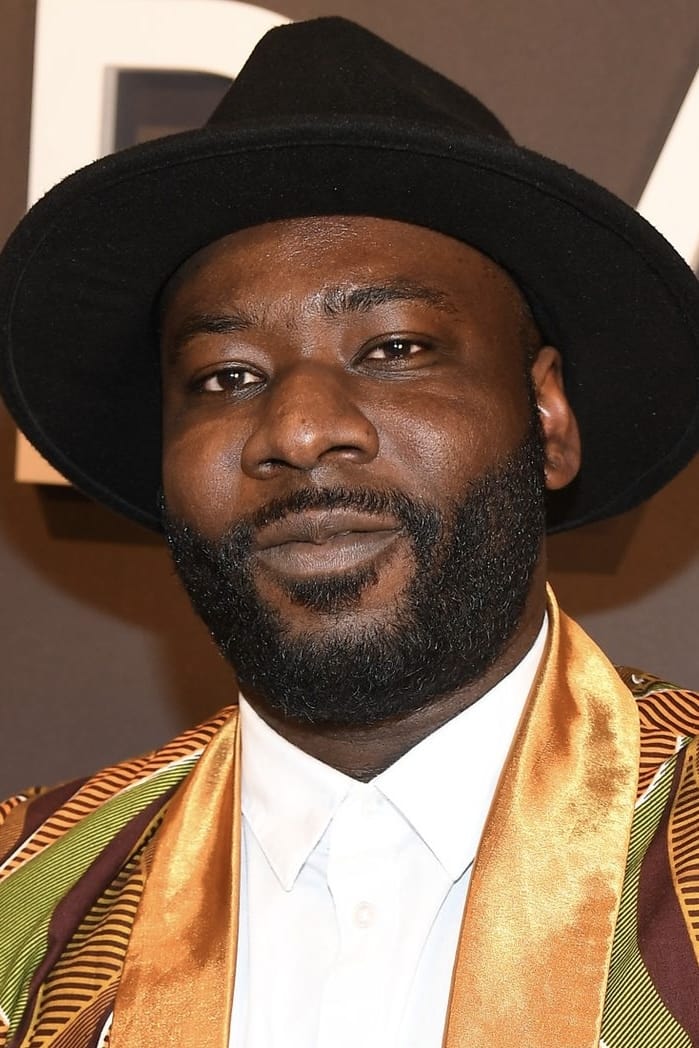
Age: 44
male
Blitz Bazawule is a filmmaker and musician born in Accra, Ghana and based in Brooklyn, New York. Blitz's short films Native Sun (2012) and Diasporadical Trilogìa (2016) have premiered at BAM New Voices in Black Cinema. His debut feature film The Burial of Kojo was released in 2018, later released on Netflix via Ava DuVernay's ARRAY distribution company. Bazawule wrote, directed, co-edited and co-prouced the film, as well as providing the soundtrack. As a musician and band leader, Bazawule has released 4 studio albums under the name Blitz the Ambassador - Stereotype (2009), Native Sun (2011), Afropolitan Dreams (2014) and Diasporadical (2016) as well as the soundtrack album to The Burial of Kojo (2019) - and has performed at music festivals such as Roskilde (Denmark), Solidays (France), Mawazine (Morocco) and Sauti za Busara (Zanzibar). Blitz is a 2016 TED Fellow and recipient of the Vilcek Prize.
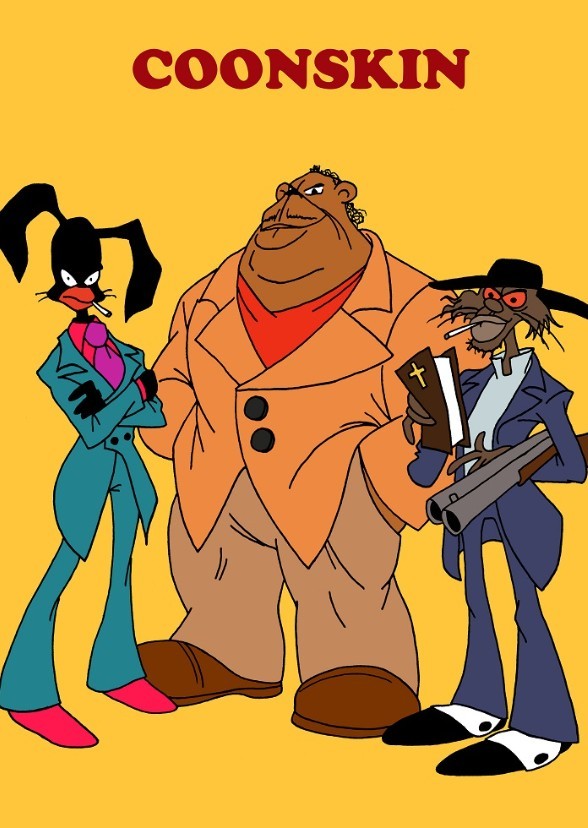
Coonskin is a 1975 American adult animated satirical crime film written and directed by Ralph Bakshi. The film references the Uncle Remus folk tales and satirizes the blaxploitation film genre as well as Disney's racially controversial film Song of the South, also adapted from the Uncle Remus folk tales. The film's narrative concerns three anthropomorphic Uncle Remus characters, Br'er Rabbit (referred to as Brother Rabbit), Br'er Fox (referred to as Preacher Fox), and Br'er Bear (referred to as Brother Bear). They rise to the top of the organized crime racket in Harlem, encountering corrupt law enforcement, con artists, and the Mafia, in a satire of both racism within the Hollywood film system, and America itself. Originally produced under the titles Harlem Nights and Coonskin No More... at Paramount Pictures, Coonskin encountered controversy before its original theatrical release when the Congress of Racial Equality accused the film of being racist. When the film was released, Bryanston gave it limited distribution and it initially received mixed reviews. Later re-released under the titles Bustin' Out and Street Fight, Coonskin has since been re-appraised, recontextualizing the film as the condemnation of racism that the director intended, rather than a product of a racist imagination, as its detractors had claimed.




