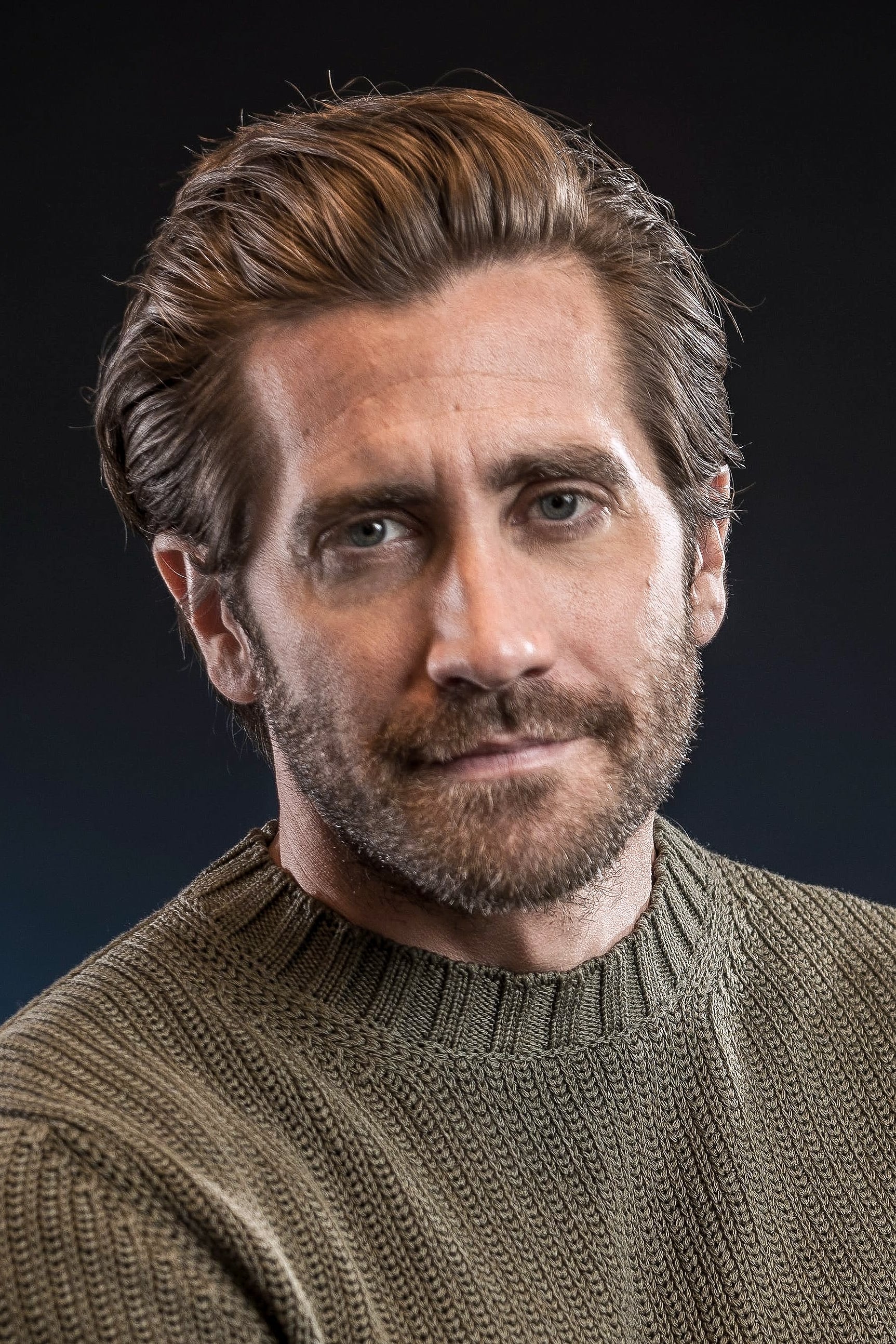
Age: 63
male
Ralph Nathaniel Twisleton-Wykeham-Fiennes (born 22 December 1962) is an British-American actor, film producer, and director. He has received various accolades, including a British Academy Film Award and a Tony Award, as well as nominations for three Academy Awards, seven Golden Globe Awards, and a Primetime Emmy Award. Born in Ipswich, Suffolk, Fiennes was trained at and graduated from the Royal Academy of Dramatic Art in 1985. A Shakespeare interpreter, he excelled onstage at the Royal National Theatre before succeeding at the Royal Shakespeare Company. In 1995, Fiennes made his Broadway debut playing Prince Hamlet in the revival of the William Shakespeare play Hamlet, for which he won the Tony Award for Best Actor in a Play. He was later Tony-nominated for his role as a travelling faith healer in the Brian Friel play Faith Healer (2006). Fiennes made his film debut playing Heathcliff in Emily Brontë's Wuthering Heights (1992). He has earned three Academy Award nominations for his performances in the films Schindler's List (1993), The English Patient (1996), and Conclave (2024). He has also acted in Quiz Show (1994), Maid in Manhattan (2002), The Constant Gardener (2005), In Bruges (2008), The Reader (2008), The Duchess (2008), The Hurt Locker (2009), The Grand Budapest Hotel (2014), A Bigger Splash (2015), Hail, Caesar! (2016), and The Menu (2022). Fiennes gained wider recognition for playing Lord Voldemort in the Harry Potter film series (2005–2011) and Gareth Mallory / M in the James Bond films (2012–2021); and has voiced roles in the animated films The Prince of Egypt (1998), Wallace & Gromit: The Curse of the Were-Rabbit (2005), Kubo and the Two Strings (2016), and The Lego Batman Movie (2017). He directed and starred in the films Coriolanus (2011) and The Invisible Woman (2013). Aside from acting, Fiennes has been an ambassador for UNICEF UK since 1999.
Ralph Fiennes

British captain
for British captain in Canada: A Mysterious Story
Suggested by danicaharper
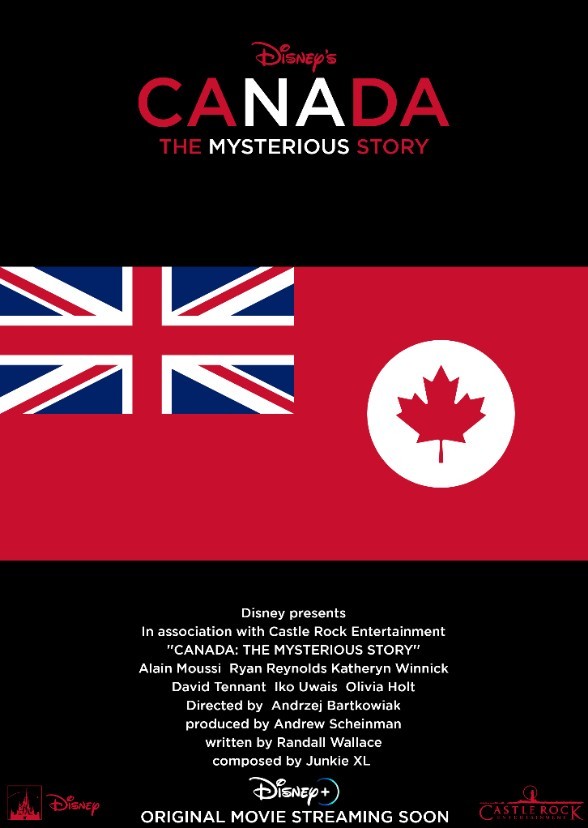
Prior to European colonization, the lands encompassing present-day Canada were inhabited for millennia by Indigenous peoples, with distinct trade networks, spiritual beliefs, and styles of social organization. Some of these older civilizations had long faded by the time of the first European arrivals and have been discovered through archeological investigations. From the late 15th century, French and British expeditions explored, colonized, and fought over various places within North America in what constitutes present-day Canada. The colony of New France was claimed in 1534 with permanent settlements beginning in 1608. France ceded nearly all its North American possessions to the United Kingdom in 1763 at the Treaty of Paris after the Seven Years' War. The now British Province of Quebec was divided into Upper and Lower Canada in 1791. The two provinces were united as the Province of Canada by the Act of Union 1840, which came into force in 1841. In 1867, the Province of Canada was joined with two other British colonies of New Brunswick and Nova Scotia through Confederation, forming a self-governing entity. "Canada" was adopted as the legal name of the new country and the word "Dominion" was conferred as the country's title. Over the next eighty-two years, Canada expanded by incorporating other parts of British North America, finishing with Newfoundland and Labrador in 1949.