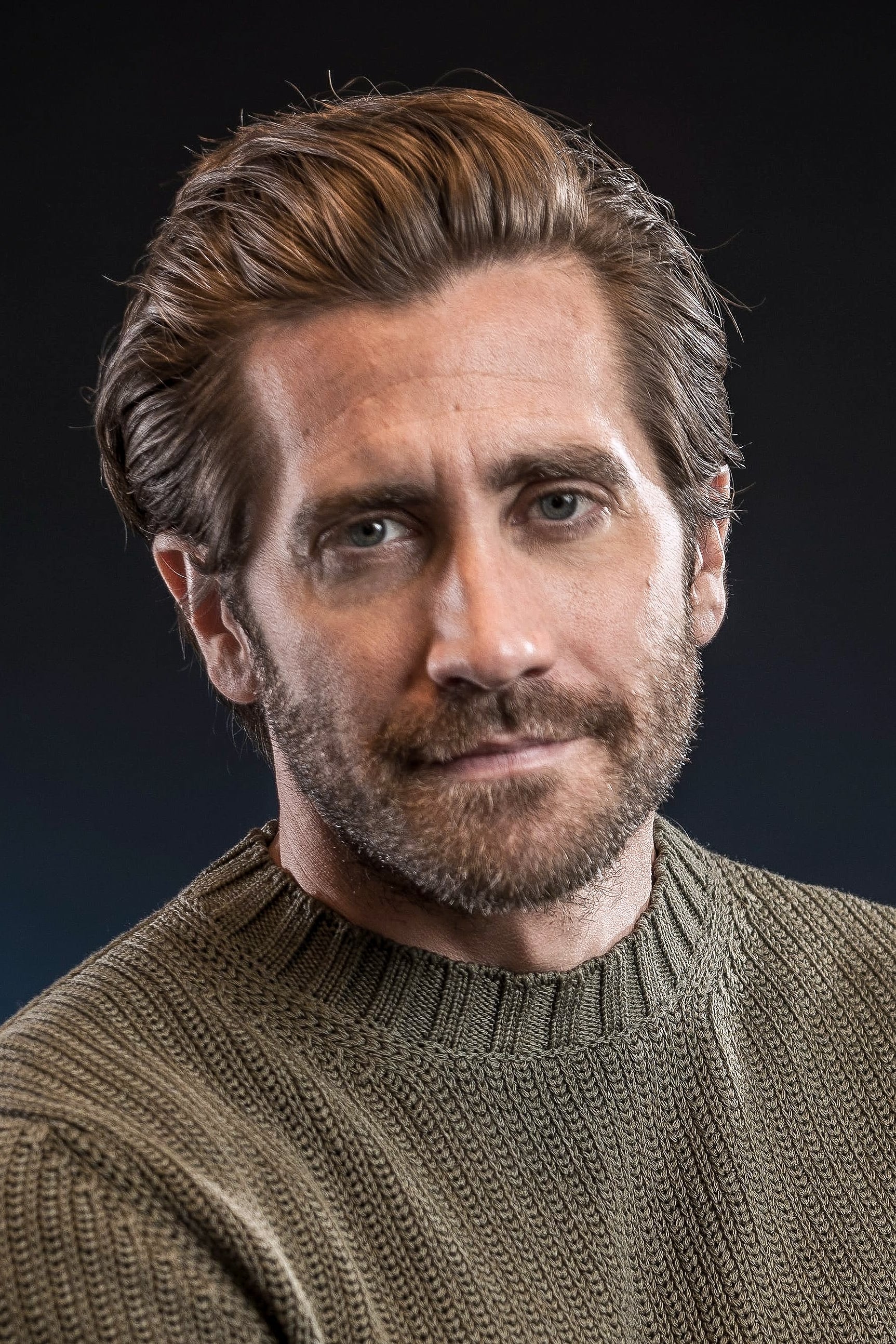
Age: 62
male
Andrew Clement Serkis (born 20 April 1964) is an English actor and filmmaker. He is best known for his motion capture roles comprising motion capture acting, animation and voice work for computer-generated characters such as Gollum in The Lord of the Rings film trilogy (2001–2003) and The Hobbit: An Unexpected Journey (2012), King Kong in the eponymous 2005 film, Caesar in the Planet of the Apes reboot series (2011–2017), Captain Haddock / Sir Francis Haddock in Steven Spielberg's The Adventures of Tintin (2011), Baloo in his self-directed film Mowgli: Legend of the Jungle (2018) and Supreme Leader Snoke in the Star Wars sequel trilogy films The Force Awakens (2015) and The Last Jedi (2017), also portraying Kino Loy in the Star Wars Disney+ series Andor (2022). Serkis's film work in motion capture has been critically acclaimed. He has received an Empire Award and two Saturn Awards for his motion-capture acting. He earned a BAFTA and a Golden Globe nomination for his portrayal of serial killer Ian Brady in the British television film Longford (2006). He was nominated for a BAFTA for his portrayal of new wave and punk rock musician Ian Dury in the biopic Sex & Drugs & Rock & Roll (2010). In 2020, Serkis received the BAFTA Award for Outstanding British Contribution to Cinema. In 2021, he won a Daytime Emmy Award for The Letter for the King (2020). Serkis portrayed Ulysses Klaue in the Marvel Cinematic Universe (MCU) films Avengers: Age of Ultron (2015) and Black Panther (2018), as well as the Disney+ series What If...? (2021). He also played Alfred Pennyworth in The Batman (2022). Serkis has his own production company and motion-capture workshop, The Imaginarium, in London, which he used for Mowgli: Legend of the Jungle. He made his directorial debut with Imaginarium's 2017 film Breathe and also directed Venom: Let There Be Carnage (2021). Description above from the Wikipedia article Andy Serkis, licensed under CC-BY-SA, full list of contributors on Wikipedia.
Andy Serkis

British captain
for British captain in Canada: A Mysterious Story
Suggested by danicaharper
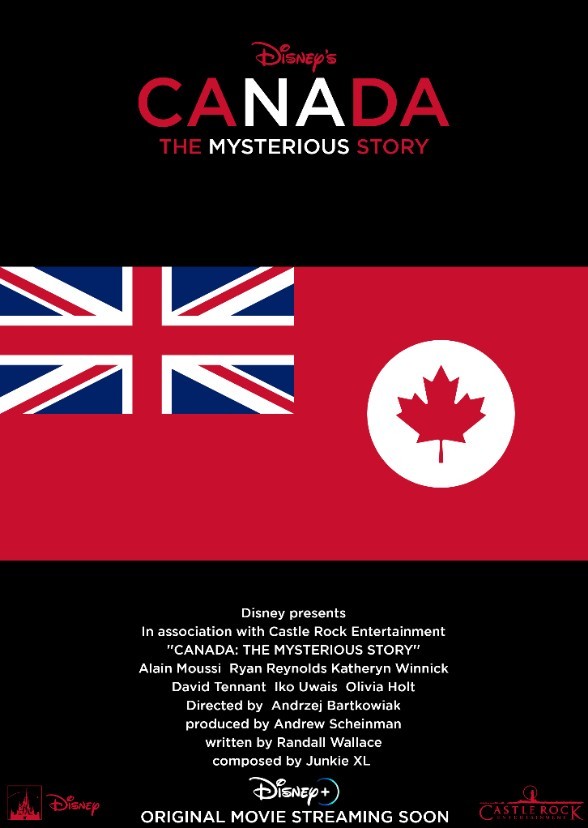
Prior to European colonization, the lands encompassing present-day Canada were inhabited for millennia by Indigenous peoples, with distinct trade networks, spiritual beliefs, and styles of social organization. Some of these older civilizations had long faded by the time of the first European arrivals and have been discovered through archeological investigations. From the late 15th century, French and British expeditions explored, colonized, and fought over various places within North America in what constitutes present-day Canada. The colony of New France was claimed in 1534 with permanent settlements beginning in 1608. France ceded nearly all its North American possessions to the United Kingdom in 1763 at the Treaty of Paris after the Seven Years' War. The now British Province of Quebec was divided into Upper and Lower Canada in 1791. The two provinces were united as the Province of Canada by the Act of Union 1840, which came into force in 1841. In 1867, the Province of Canada was joined with two other British colonies of New Brunswick and Nova Scotia through Confederation, forming a self-governing entity. "Canada" was adopted as the legal name of the new country and the word "Dominion" was conferred as the country's title. Over the next eighty-two years, Canada expanded by incorporating other parts of British North America, finishing with Newfoundland and Labrador in 1949.