Died at 95
male
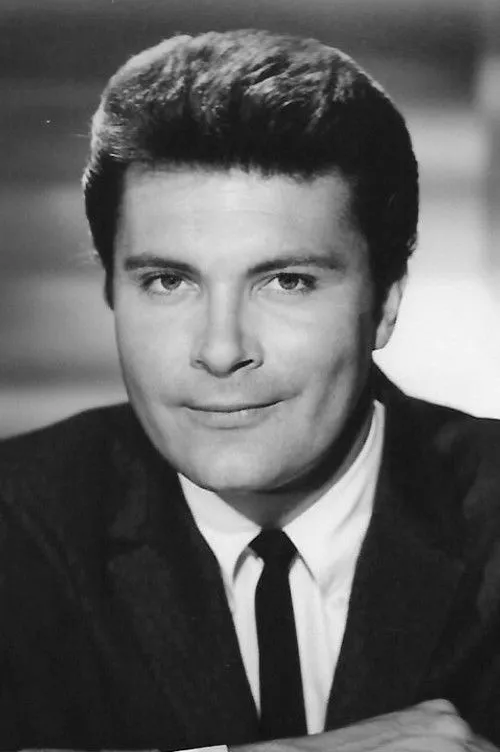
Larry Martin Hagman (September 21, 1931 – November 23, 2012) was an American film and television actor, director, and producer. He was best known for playing ruthless oil baron J. R. Ewing in the 1978–1991 primetime television soap opera Dallas, and the befuddled astronaut Major Anthony Nelson in the 1965–1970 sitcom I Dream of Jeannie. Hagman was born in Fort Worth, Texas, the son of actress Mary Martin. After his parents divorced, he lived with his grandmother in Texas while his mother pursued acting roles. At age 16, Hagman followed his mother into acting and got his start in small theater productions and commercials. He began his acting career in the early 1950s, appearing in Broadway plays and television shows. He had a supporting role in the 1964 film Fail-Safe. In 1965, Hagman was cast as Major Anthony Nelson in the sitcom I Dream of Jeannie. The show was a huge success, and Hagman won two Golden Globe Awards for his performance. He left the show in 1970 to pursue other projects. In 1978, Hagman was cast as J. R. Ewing in the soap opera Dallas. The show was an even bigger success than I Dream of Jeannie, and Hagman won four Emmy Awards for his performance. He remained with the show until it ended in 1991. In 1995, Hagman underwent a liver transplant. He returned to Dallas in 2012 for a revival of the show. He died of complications from leukemia later that year.
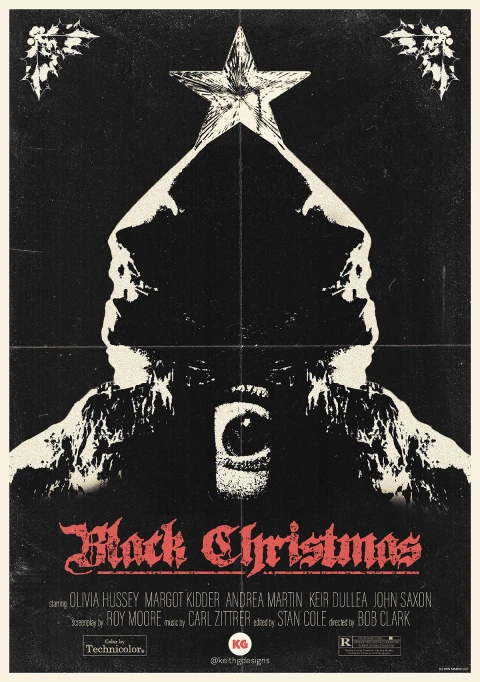
Black Christmas follows a group of sorority sisters during the Christmas holiday break as they prepare to leave their house for winter vacation. When several members decide to stay behind, they begin receiving mysterious and increasingly disturbing phone calls from an unknown caller lurking somewhere within the house itself. As the women try to determine the source of the calls and escape their predicament, they discover that a dangerous intruder has infiltrated their home. Trapped together during the festive season, the sorority sisters must band together to survive the night and unmask the killer in their midst. The film masterfully builds tension through minimal dialogue and unseen threats, creating an atmosphere of claustrophobic dread. With its innovative use of point-of-view camera work and the killer's perspective, Black Christmas pioneered many techniques that would become staples of the slasher genre. The film transforms the warmth and joy of Christmas into a backdrop for psychological horror, as the women face both external danger and their own mounting paranoia.