Died at 91
male
Charles Sidney Grodin (April 21, 1935 – May 18, 2021) was an American actor, comedian, author, and television talk show host. Grodin began his acting career in the 1960s appearing in TV serials including The Virginian. After a small part in Rosemary's Baby in 1968, he played the lead in Elaine May's The Heartbreak Kid (1972) and supporting roles in Mike Nichols's Catch-22 (1970), the 1976 remake of King Kong, and Warren Beatty's Heaven Can Wait (1978). Known for his deadpan delivery and often cast as a put-upon straight man, Grodin became familiar as a supporting actor in many Hollywood comedies of the era, including Real Life (1979), Seems Like Old Times (1980), The Great Muppet Caper (1981), Ishtar (1987), Dave (1993), and Clifford (1994). Grodin co-starred in the action comedy Midnight Run (1988) and in the family film Beethoven (1992). He made frequent appearances on The Tonight Show with Johnny Carson and Late Night with David Letterman. In the mid-1990s, Grodin retired from acting and wrote autobiographies; he became a talk show host on CNBC and in 2000 a political commentator for 60 Minutes II. He returned to acting with a handful of roles in the mid-2010s, including in Louis C.K.'s FX show Louie and Noah Baumbach's film While We're Young (2014). Grodin won several awards, including the Primetime Emmy Award for Outstanding Writing for a Variety Special in 1978 for the Paul Simon Special alongside Chevy Chase, Lorne Michaels, Paul Simon, and Lily Tomlin. He was also nominated for a Golden Globe Award for Best Actor – Motion Picture Musical or Comedy for The Heartbreak Kid in 1972. He won Best Actor at the 1988 Valladolid International Film Festival for Midnight Run, and the American Comedy Award for Funniest Supporting Actor in a Motion Picture for his performance in Dave in 1993.
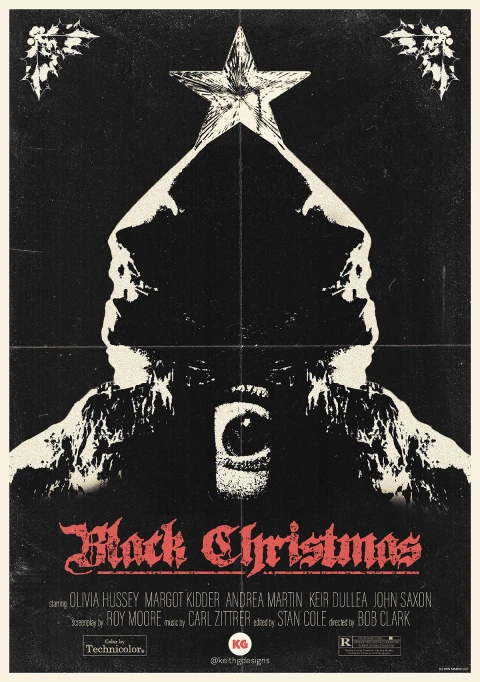
Black Christmas follows a group of sorority sisters during the Christmas holiday break as they prepare to leave their house for winter vacation. When several members decide to stay behind, they begin receiving mysterious and increasingly disturbing phone calls from an unknown caller lurking somewhere within the house itself. As the women try to determine the source of the calls and escape their predicament, they discover that a dangerous intruder has infiltrated their home. Trapped together during the festive season, the sorority sisters must band together to survive the night and unmask the killer in their midst. The film masterfully builds tension through minimal dialogue and unseen threats, creating an atmosphere of claustrophobic dread. With its innovative use of point-of-view camera work and the killer's perspective, Black Christmas pioneered many techniques that would become staples of the slasher genre. The film transforms the warmth and joy of Christmas into a backdrop for psychological horror, as the women face both external danger and their own mounting paranoia.