Age: 85
female
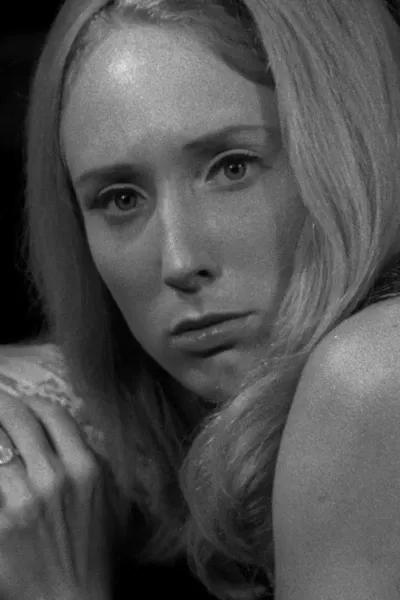
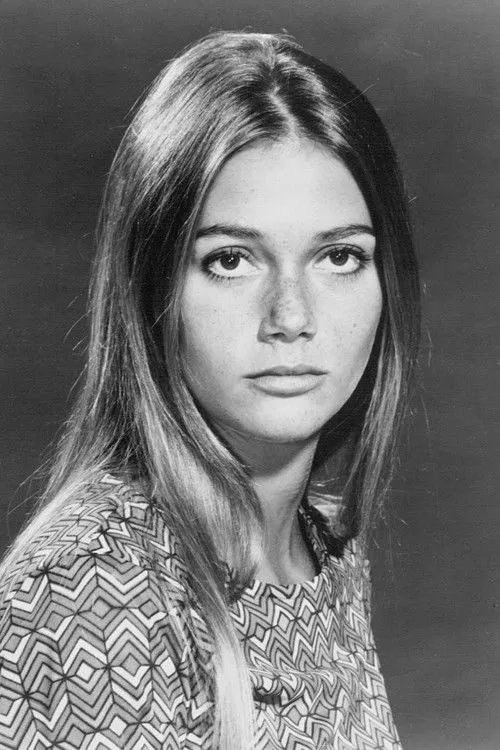
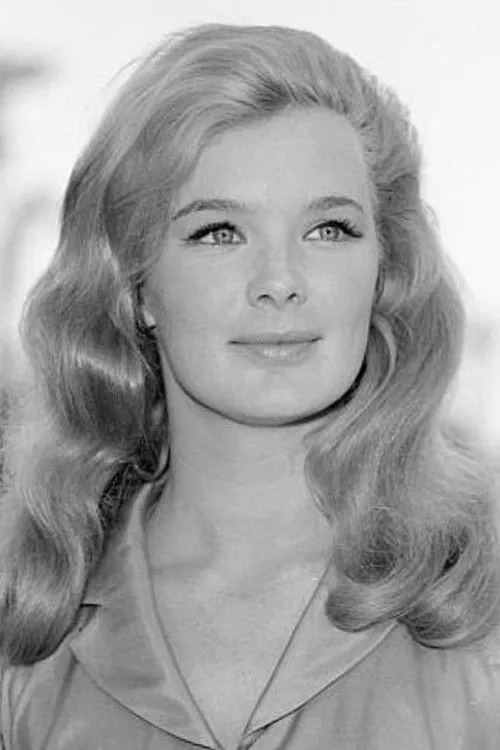
Dorothy Faye Dunaway (born January 14, 1941) is a European-American actress. She is the recipient of such accolades as an Academy Award, three Golden Globes, and a British Academy Film Award. Her career began in the early 1960s on Broadway. She made her screen debut in the 1967 film The Happening, and rose to fame that same year with her portrayal of outlaw Bonnie Parker in Arthur Penn's Bonnie and Clyde, for which she received her first Academy Award nomination. Her most notable films include the crime caper The Thomas Crown Affair (1968), the drama The Arrangement (1969), the revisionist western Little Big Man (1970), an adaptation of the Alexandre Dumas classic The Three Musketeers (1973), the neo-noir mystery Chinatown (1974), for which she earned her second Oscar nomination, the action-drama disaster The Towering Inferno (1974), the political thriller Three Days of the Condor (1975), the satire Network (1976), for which she won an Academy Award for Best Actress, and the thriller Eyes of Laura Mars (1978). Her career evolved to more mature and character roles in subsequent years, often in independent films, beginning with her controversial portrayal of Joan Crawford in the 1981 film Mommie Dearest. Other notable films in which she has appeared include Barfly (1987), The Handmaid's Tale (1990), Arizona Dream (1994), Don Juan DeMarco (1995), The Twilight of the Golds (1997), Gia (1998) and The Rules of Attraction (2002). Dunaway also performed on stage in several plays including A Man for All Seasons (1961–63), After the Fall (1964), Hogan's Goat (1965–67), A Streetcar Named Desire (1973) and was awarded the Sarah Siddons Award for her portrayal of opera singer Maria Callas in Master Class (1996). Description above from the Wikipedia article Faye Dunaway, licensed under CC-BY-SA, full list of contributors on Wikipedia.
Faye Dunaway

Kelli Presley
for Kelli Presley in Black Christmas (1966)
Suggested by chris83
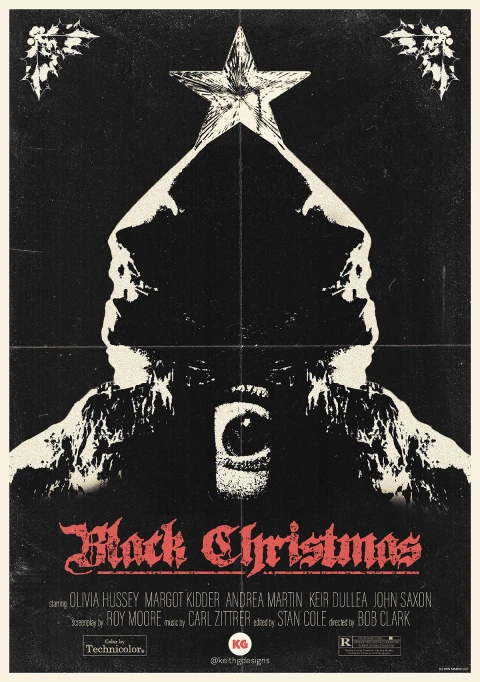
Black Christmas follows a group of sorority sisters during the Christmas holiday break as they prepare to leave their house for winter vacation. When several members decide to stay behind, they begin receiving mysterious and increasingly disturbing phone calls from an unknown caller lurking somewhere within the house itself. As the women try to determine the source of the calls and escape their predicament, they discover that a dangerous intruder has infiltrated their home. Trapped together during the festive season, the sorority sisters must band together to survive the night and unmask the killer in their midst. The film masterfully builds tension through minimal dialogue and unseen threats, creating an atmosphere of claustrophobic dread. With its innovative use of point-of-view camera work and the killer's perspective, Black Christmas pioneered many techniques that would become staples of the slasher genre. The film transforms the warmth and joy of Christmas into a backdrop for psychological horror, as the women face both external danger and their own mounting paranoia.