Died at 80
female
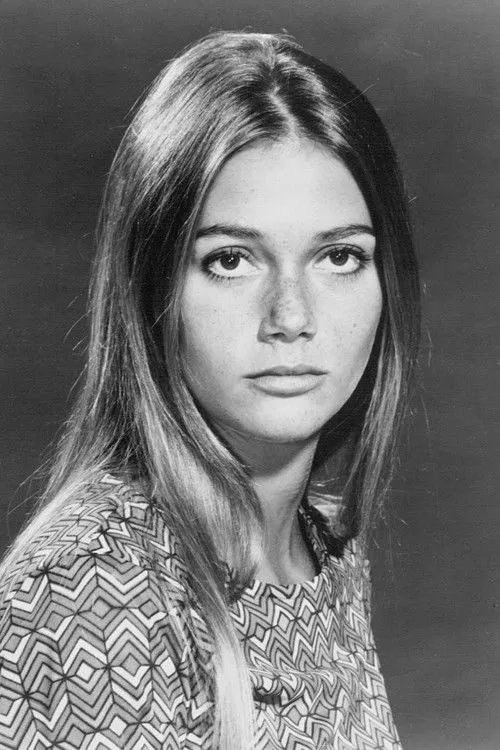
Peggy Lipton (born Margaret Ann Lipton; August 30, 1946 – May 11, 2019) was an American actress and model who rose to fame in the late 1960s. She is best known for two major television roles: Julie Barnes on The Mod Squad (1968-1973) and Norma Jennings on Twin Peaks (1990-1991, 2017). She began modeling at age 15 and signed with Ford Agency. Her early struggles with stuttering led her to become introverted, though she found that acting helped her overcome this challenge. Her breakthrough came with The Mod Squad, where she played Julie Barnes, one of three hippie undercover cops. The show was groundbreaking for its time, addressing contemporary social issues and featuring an interracial cast. Her performance earned her four Emmy nominations and a Golden Globe Award. In 1974, she married music producer Quincy Jones, making them one of the most prominent interracial couples in the entertainment industry at that time. They had two daughters: Kidada Jones (born 1974) and Rashida Jones (born 1976). After marrying Jones, Lipton largely stepped away from acting to focus on her family. They divorced in 1989. She returned to acting, performing in many TV roles, including Norma Jennings in David Lynch's Twin Peaks. She passed away in 2019 at age 72 from colon cancer. Her memoir "Breathing Out" (2005) detailed her life experiences, including her battles with anxiety and her journey in the entertainment industry. She is remembered as a cultural icon of the 1960s and early 1970s, particularly for her role in The Mod Squad, which helped break down racial barriers on television.
Peggy Lipton

Kelli Presley
for Kelli Presley in Black Christmas (1966)
Suggested by chris83
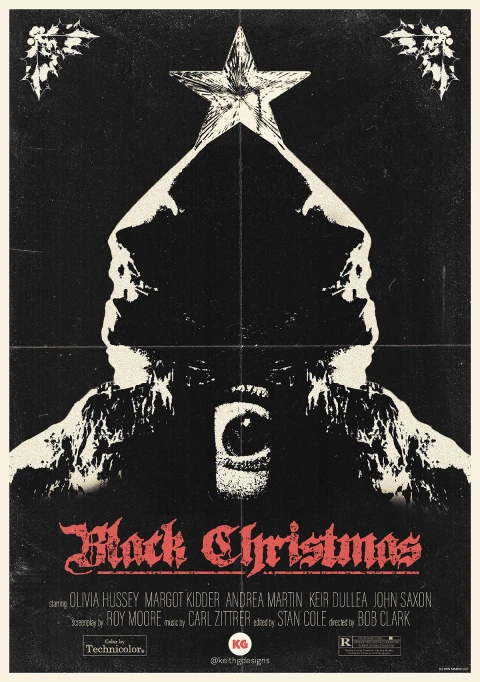
Black Christmas follows a group of sorority sisters during the Christmas holiday break as they prepare to leave their house for winter vacation. When several members decide to stay behind, they begin receiving mysterious and increasingly disturbing phone calls from an unknown caller lurking somewhere within the house itself. As the women try to determine the source of the calls and escape their predicament, they discover that a dangerous intruder has infiltrated their home. Trapped together during the festive season, the sorority sisters must band together to survive the night and unmask the killer in their midst. The film masterfully builds tension through minimal dialogue and unseen threats, creating an atmosphere of claustrophobic dread. With its innovative use of point-of-view camera work and the killer's perspective, Black Christmas pioneered many techniques that would become staples of the slasher genre. The film transforms the warmth and joy of Christmas into a backdrop for psychological horror, as the women face both external danger and their own mounting paranoia.