Died at 110
female
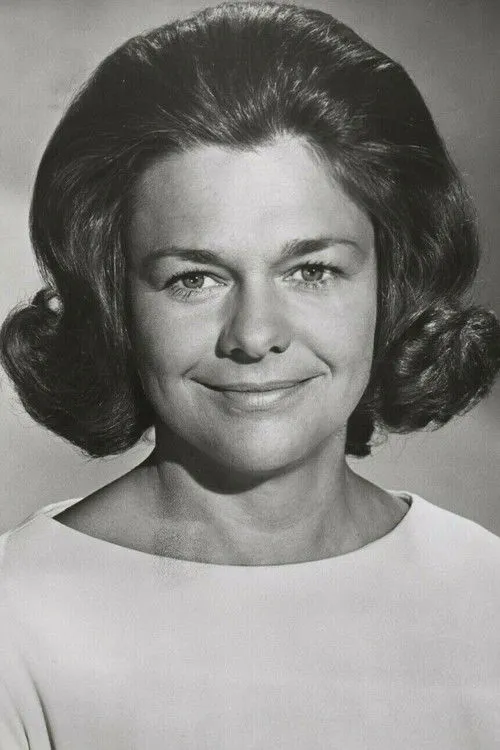
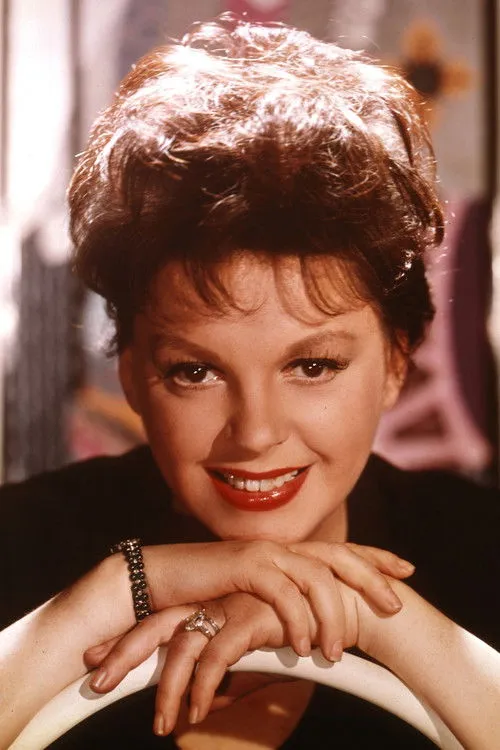
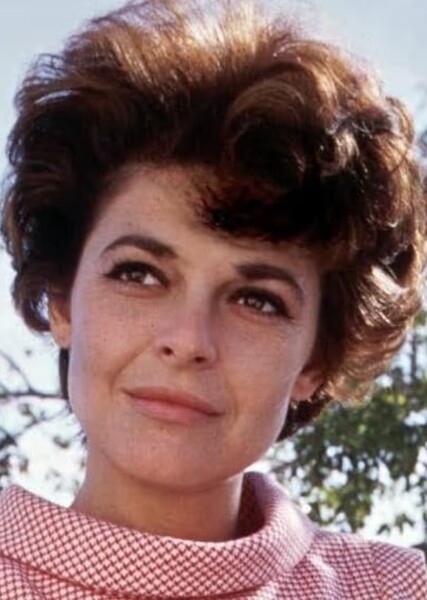
Dame Olivia Mary de Havilland DBE (July 1, 1916 - July 25, 2020) was a British-American actress, whose career spanned from 1935 to 1988. She appeared in 49 feature films, and was one of the leading movie stars during the golden age of Classical Hollywood. She is best known for her early screen performances in The Adventures of Robin Hood (1938) and Gone with the Wind (1939), and her later award-winning performances in To Each His Own (1946), The Snake Pit (1948), and The Heiress (1949). Born in Tokyo to British parents, de Havilland and her younger sister, actress Joan Fontaine, moved with their mother to California in 1919. They were brought up by their mother Lilian, a former stage actress who taught them drama, music, and elocution. Olivia de Havilland made her screen debut in Reinhardt's A Midsummer Night's Dream in 1935. During her career, she often played demure ingénues opposite popular leading men, including Errol Flynn, with whom she made nine films. They became one of Hollywood's most popular romantic on-screen pairings. She achieved her initial popularity in romantic comedy films, such as The Great Garrick (1937), and in Westerns, such as Dodge City (1939). Her natural beauty and refined acting style made her particularly effective in historical period dramas, such as Anthony Adverse (1936), and romantic dramas, such as Hold Back the Dawn (1941). In her later career, she was most successful in dramas, such as Light in the Piazza (1962), and unglamorous roles in psychological dramas including Hush… Hush, Sweet Charlotte (1964). In addition to her film career, de Havilland continued her work in the theatre, appearing three times on Broadway. She also worked in television, appearing in the successful miniseries, Roots: The Next Generations (1979), and television feature films, such as Anastasia: The Mystery of Anna, for which she received a Primetime Emmy Award nomination. During her film career, de Havilland won two Academy Awards, two Golden Globe Awards, two New York Film Critics Circle Awards, the National Board of Review Award for Best Actress, and the Venice Film Festival Volpi Cup. For her contributions to the motion picture industry, she received a star on the Hollywood Walk of Fame. For her lifetime contribution to the arts, she received the National Medal of Arts from President George W. Bush, and was appointed a Chevalier of the Légion d'honneur by French President Nicolas Sarkozy. De Havilland and Joan Fontaine are the only siblings to have won Academy Awards in a lead acting category. A lifelong rivalry between the two actresses resulted in an estrangement that lasted over three decades. De Havilland lived in Paris since 1956, and celebrated her 100th birthday on July 1, 2016. In June 2017, two weeks before her 101st birthday, de Havilland was appointed Dame Commander of the Order of the British Empire in the 2017 Birthday Honours for services to drama. She was the oldest woman ever to receive the honour. In a statement, she called it "the most gratifying of birthday presents".
Olivia de Havilland
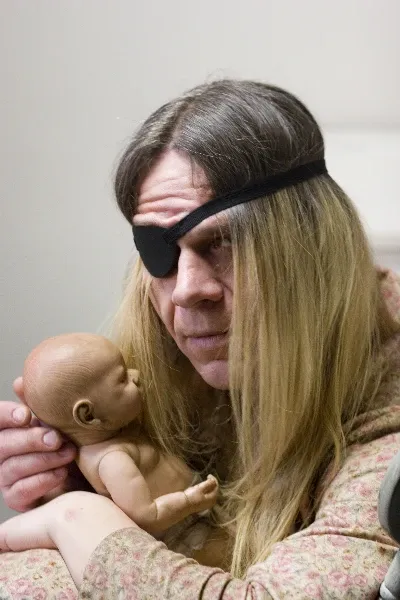
Agnes Lenz
for Agnes Lenz in Black Christmas (1966)
Suggested by chris83
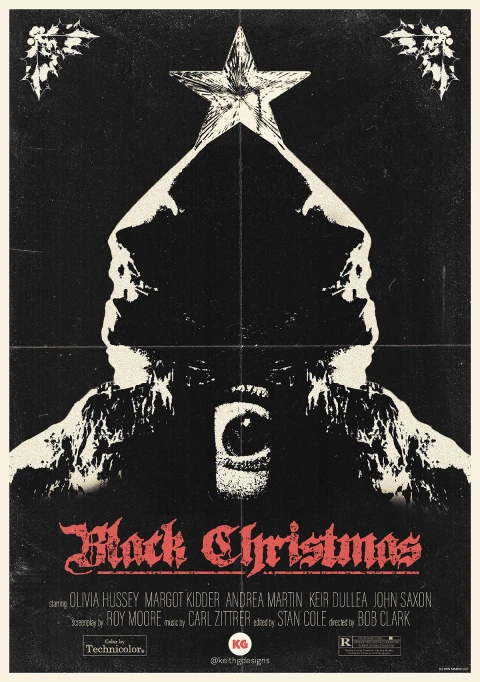
Black Christmas follows a group of sorority sisters during the Christmas holiday break as they prepare to leave their house for winter vacation. When several members decide to stay behind, they begin receiving mysterious and increasingly disturbing phone calls from an unknown caller lurking somewhere within the house itself. As the women try to determine the source of the calls and escape their predicament, they discover that a dangerous intruder has infiltrated their home. Trapped together during the festive season, the sorority sisters must band together to survive the night and unmask the killer in their midst. The film masterfully builds tension through minimal dialogue and unseen threats, creating an atmosphere of claustrophobic dread. With its innovative use of point-of-view camera work and the killer's perspective, Black Christmas pioneered many techniques that would become staples of the slasher genre. The film transforms the warmth and joy of Christmas into a backdrop for psychological horror, as the women face both external danger and their own mounting paranoia.