Age: 85
male
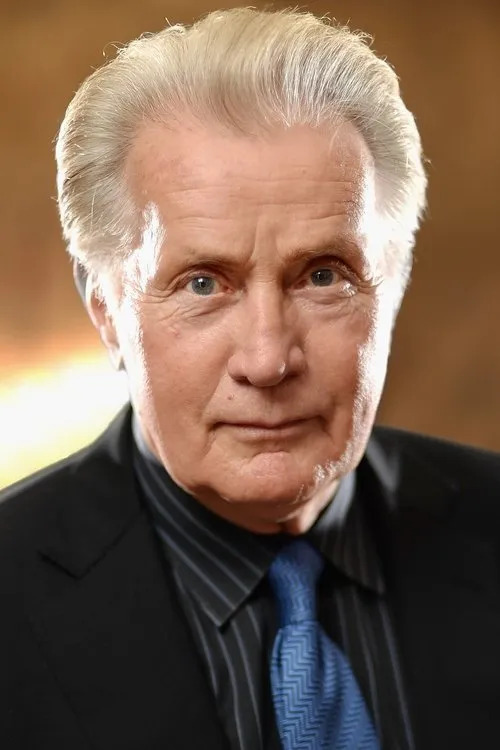
Ramón Antonio Gerardo Estévez (born August 3, 1940), known professionally as Martin Sheen, is an American actor. He first became known for his roles in the films The Subject Was Roses (1968) and Badlands (1973), and later achieved wide recognition for his leading role as Captain Benjamin Willard in Apocalypse Now (1979), as U.S. President Josiah Bartlet in the television series The West Wing (1999–2006), and as Robert Hanson in the Netflix television series Grace and Frankie (2015–2022). In film, Sheen has won the Best Actor award at the San Sebastián International Film Festival for his performance as Kit Carruthers in Badlands. Sheen's portrayal of Capt. Willard in Apocalypse Now earned a nomination for the BAFTA Award for Best Actor. Sheen has worked with a wide variety of film directors, including Richard Attenborough, Francis Ford Coppola, Terrence Malick, David Cronenberg, Mike Nichols, Martin Scorsese, Steven Spielberg, and Oliver Stone. Sheen received a star on the Hollywood Walk of Fame in 1989. In television, Sheen has won a Golden Globe and two Screen Actors Guild awards for playing the role of President Josiah Bartlet in The West Wing, and an Emmy for guest starring in the sitcom Murphy Brown. In 2012, he portrayed Uncle Ben in The Amazing Spider-Man directed by Marc Webb. Born and raised in the United States by a Spanish father and an Irish mother, he adopted the stage name Martin Sheen to help him gain acting parts. He is the father of four children, all of whom are actors. Sheen has directed one film, Cadence (1990), in which he appears alongside his sons Charlie and Ramón. He has narrated, produced, and directed documentary television, earning two Daytime Emmy awards in the 1980s, and has been active in liberal politics.
Martin Sheen

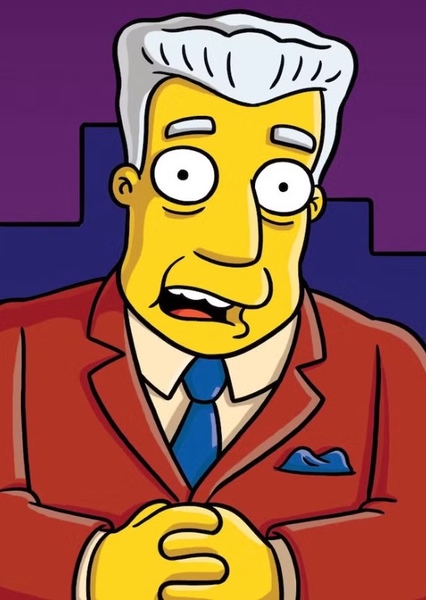
Kent Brockman
for Kent Brockman in ¡Ay, Ay, Ay! The Life of Bumblebee Man
Suggested by filmrepair

Born in Mexico City as Pedro Chespirito, a bright, gentle child obsessed with comedy and television, Pedro grows up idolizing classic slapstick stars and dreaming of making people laugh. Life, however, has other plans. Economic hardship pushes him north to Springfield, where his thick accent, earnest optimism, and physical comedy make him an unlikely fit for serious acting roles. After years of rejection, Pedro lands a job at Channel 8, as a caricature, Bumblebee Man, a loud, accident-prone TV mascot dressed in ridiculous bee costume. It becomes an instant hit. Children adore him. Catchphrases go viral. Merchandise explodes. As Bumblebee Man, he is famous, as Pedro, he is alone. He marries, divorces, reconnects with his son, and navigates cultural displacement, all while endlessly slipping on banana peels and being stung by his own jokes. Mid-career burnout and a humiliating live-TV incident force Pedro to confront the truth, the world loves the mask, not the man. When Channel 8 considers replacing Bumblebee Man with a younger, louder version, Pedro must decide whether to fight for his identity or finally step out of the suit, even if it means losing everything. In the end, Pedro finds redemption not by abandoning comedy, but by reclaiming it. He learns that dignity and laughter can coexist. Pedro walks onto a small stage, no costume, just a man telling a joke in his own voice. The audience laughs. He is invited to SNL. This time, it’s for him. Channel 8 to not replace him