Age: 82
male
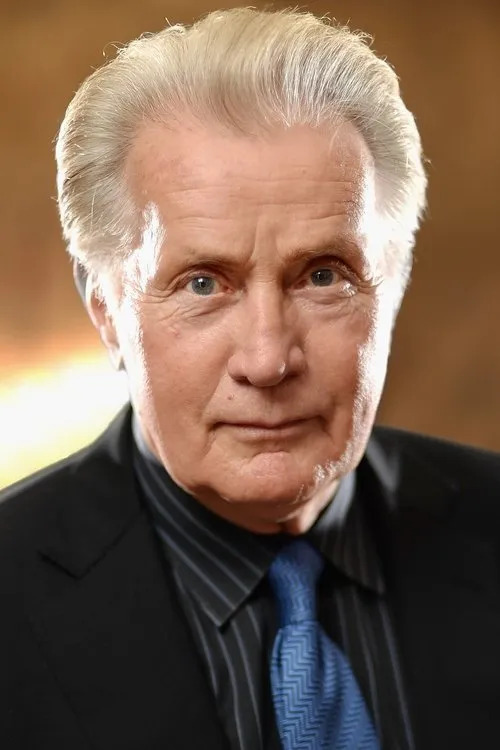
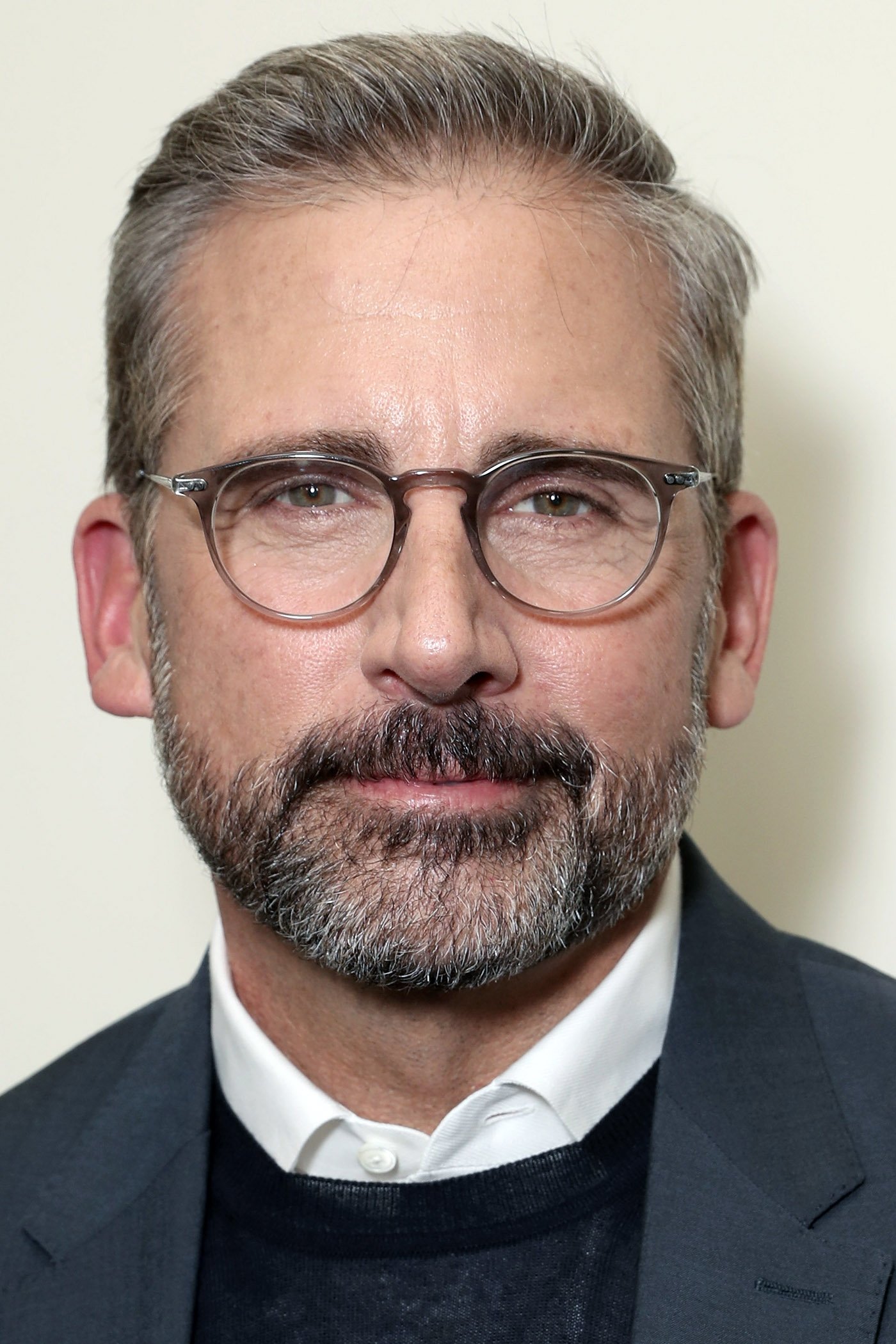
Harry Julius Shearer (born December 23, 1943) is an American actor, comedian, musician, radio host, writer, and producer. Born in Los Angeles, California, Shearer began his career as a child actor. From 1969 to 1976, Shearer was a member of The Credibility Gap, a radio comedy group. Following the breakup of the group, Shearer co-wrote the film Real Life (1979) with Albert Brooks and worked as a writer on Martin Mull's television series Fernwood 2 Night. Shearer was a cast member on Saturday Night Live between 1979 and 1980, and 1984 and 1985. Shearer co-created, co-wrote and co-starred in the film This Is Spinal Tap (1984), a hit satirical rockumentary. In 1989, he joined the cast of the animated sitcom The Simpsons, providing voices for characters including Mr. Burns, Waylon Smithers, Ned Flanders, Reverend Lovejoy, Lenny Leonard, Kang, Principal Skinner, Kent Brockman, Otto Mann, Scratchy, and formerly Dr. Hibbert. Shearer has appeared in films including The Truman Show (1998) and A Mighty Wind (2003), and has directed two, Teddy Bears' Picnic (2002) and The Big Uneasy (2010). Since 1983, Shearer has been the host of the public radio comedy/music program Le Show, incorporating satire, music, and sketch comedy. He has written three books. Shearer has won a Primetime Emmy Award and has received several other Emmy and Grammy Award nominations. He has been married to singer-songwriter Judith Owen since 1993. He became an artist in residence at Loyola University, New Orleans in 2013. Description above from the Wikipedia article Harry Shearer, licensed under CC-BY-SA, full list of contributors on Wikipedia.
Harry Shearer
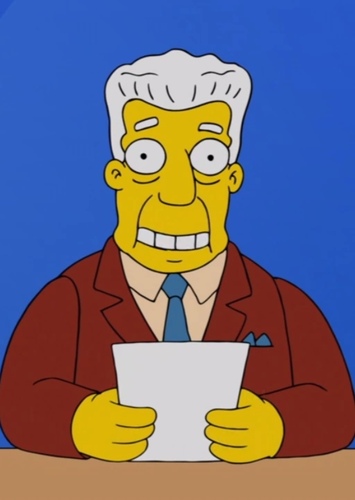
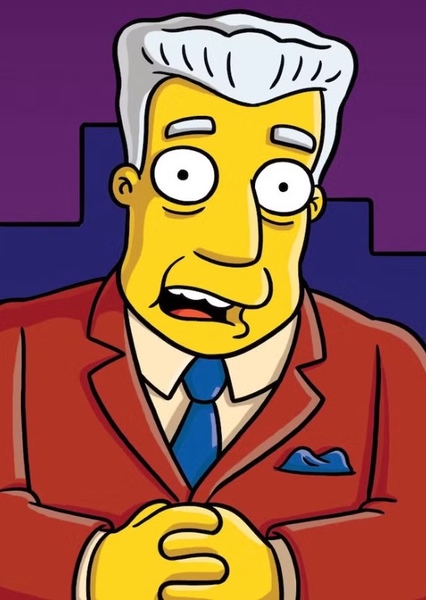
Kent Brockman
for Kent Brockman in ¡Ay, Ay, Ay! The Life of Bumblebee Man
Suggested by jakubduda

Born in Mexico City as Pedro Chespirito, a bright, gentle child obsessed with comedy and television, Pedro grows up idolizing classic slapstick stars and dreaming of making people laugh. Life, however, has other plans. Economic hardship pushes him north to Springfield, where his thick accent, earnest optimism, and physical comedy make him an unlikely fit for serious acting roles. After years of rejection, Pedro lands a job at Channel 8, as a caricature, Bumblebee Man, a loud, accident-prone TV mascot dressed in ridiculous bee costume. It becomes an instant hit. Children adore him. Catchphrases go viral. Merchandise explodes. As Bumblebee Man, he is famous, as Pedro, he is alone. He marries, divorces, reconnects with his son, and navigates cultural displacement, all while endlessly slipping on banana peels and being stung by his own jokes. Mid-career burnout and a humiliating live-TV incident force Pedro to confront the truth, the world loves the mask, not the man. When Channel 8 considers replacing Bumblebee Man with a younger, louder version, Pedro must decide whether to fight for his identity or finally step out of the suit, even if it means losing everything. In the end, Pedro finds redemption not by abandoning comedy, but by reclaiming it. He learns that dignity and laughter can coexist. Pedro walks onto a small stage, no costume, just a man telling a joke in his own voice. The audience laughs. He is invited to SNL. This time, it’s for him. Channel 8 to not replace him