
Age: 47
female
Sarah Ellen Polley OC (born January 8, 1979) is a Canadian filmmaker, political activist and retired actress. She first garnered attention as a child actress for her role as Ramona Quimby in the television series Ramona, based on Beverly Cleary's books. This subsequently led to her role as Sara Stanley in the Canadian television series Road to Avonlea (1990–1996). She has starred in many feature films, including The Adventures of Baron Munchausen (1988), Exotica (1994), The Sweet Hereafter (1997), Guinevere (1999), Go (1999), The Weight of Water (2000), No Such Thing (2001), My Life Without Me (2003), Dawn of the Dead (2004), Splice (2009), and Mr. Nobody (2009). Polley made her feature film directorial debut with Away from Her (2006), for which she won the Canadian Screen Award for Best Director and was nominated for the Academy Award for Best Adapted Screenplay. Polley's second film, Take This Waltz (2011), premiered at the 2011 Toronto International Film Festival, followed by her first documentary film, Stories We Tell (2012). She also wrote the miniseries Alias Grace, based on the 1996 novel of the same name by Margaret Atwood. In 2022, Polley wrote and directed the film Women Talking, based on the 2018 novel of the same name by Miriam Toews, for which she won the Academy Award for Best Adapted Screenplay. Description above from the Wikipedia article Sarah Polley, licensed under CC-BY-SA, full list of contributors on Wikipedia.
Sarah Polley

Writer
for Writer in A Better Place to Be: The Harry Chapin Story
Suggested by kamsismith
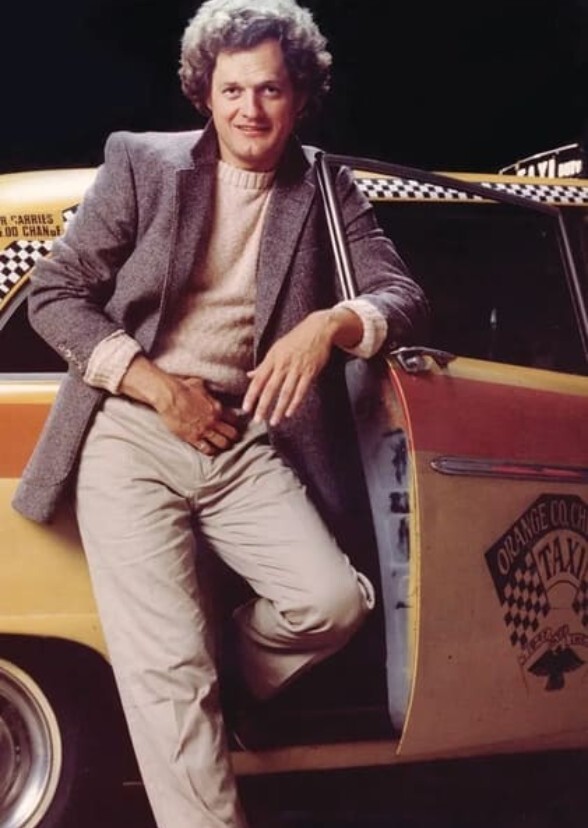
Harry Chapin's journey begins in a family of creatives in Brooklyn, where music and storytelling were as vital as air. From his early days as a documentary filmmaker to his rise as a folk rock icon with hits like "Taxi," "Cat’s in the Cradle," and "W·O·L·D," the film delves into the passion and persistence that defined Harry’s career. But this isn’t just a story about fame; it’s about how one man leveraged his success to tackle one of the world’s biggest issues—hunger. Interweaving Chapin’s triumphs and struggles as an artist with his tireless work as a hunger activist, the film paints an intimate portrait of a man who balanced sold-out arenas with grassroots advocacy, founding organizations like World Hunger Year (WHY) and lobbying Congress to fight food insecurity. Despite a grueling schedule and personal sacrifices, Harry's commitment to creating "a better place to be" never wavered. The narrative crescendos with his tragic death at 38 in a car accident, juxtaposing the loss of an extraordinary life with the enduring impact of his work. Chapin’s legacy lives on through his music, activism, and the millions fed by the causes he championed.


