Age: 65
male
Aaron Benjamin Sorkin (born June 9, 1961) is an American screenwriter, playwright and film director. Born in New York City, he developed a passion for writing early on. As a writer for stage, television, and film, Sorkin is recognised for his trademark fast-paced dialogue and extended monologues, complemented by frequent use of the "walk and talk" storytelling technique. Sorkin has earned numerous accolades, including an Academy Award, a BAFTA Award, five Primetime Emmy Awards, and three Golden Globes. Sorkin rose to prominence as a writer-creator and showrunner of the television series Sports Night (1998–2000), The West Wing (1999–2006), Studio 60 on the Sunset Strip (2006–07), and The Newsroom (2012–14). He is also known for his work on Broadway, including the plays A Few Good Men (1989), The Farnsworth Invention (2007), To Kill a Mockingbird (2018), and the revival of Lerner and Loewe's musical Camelot (2023). He wrote the film screenplays for A Few Good Men (1992), The American President (1995), and several biopics, including Charlie Wilson's War (2007), Moneyball (2011), and Steve Jobs (2015). For writing The Social Network (2010), he won the Academy Award for Best Adapted Screenplay. He made his directorial film debut with Molly's Game (2017), followed by The Trial of the Chicago 7 (2020) and Being the Ricardos (2021). Description above from the Wikipedia article Aaron Sorkin, licensed under CC-BY-SA, full list of contributors on Wikipedia.
Aaron Sorkin

Writer
for Writer in A Better Place to Be: The Harry Chapin Story
Suggested by kamsismith
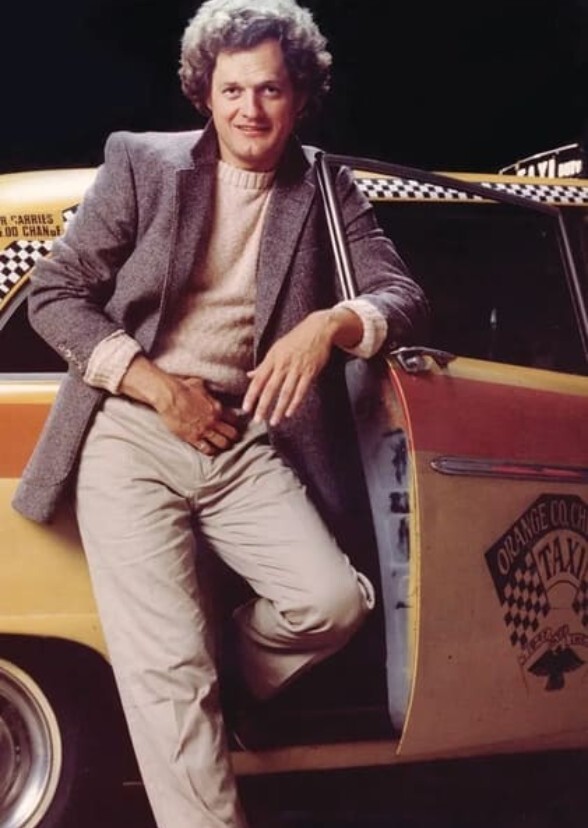
Harry Chapin's journey begins in a family of creatives in Brooklyn, where music and storytelling were as vital as air. From his early days as a documentary filmmaker to his rise as a folk rock icon with hits like "Taxi," "Cat’s in the Cradle," and "W·O·L·D," the film delves into the passion and persistence that defined Harry’s career. But this isn’t just a story about fame; it’s about how one man leveraged his success to tackle one of the world’s biggest issues—hunger. Interweaving Chapin’s triumphs and struggles as an artist with his tireless work as a hunger activist, the film paints an intimate portrait of a man who balanced sold-out arenas with grassroots advocacy, founding organizations like World Hunger Year (WHY) and lobbying Congress to fight food insecurity. Despite a grueling schedule and personal sacrifices, Harry's commitment to creating "a better place to be" never wavered. The narrative crescendos with his tragic death at 38 in a car accident, juxtaposing the loss of an extraordinary life with the enduring impact of his work. Chapin’s legacy lives on through his music, activism, and the millions fed by the causes he championed.