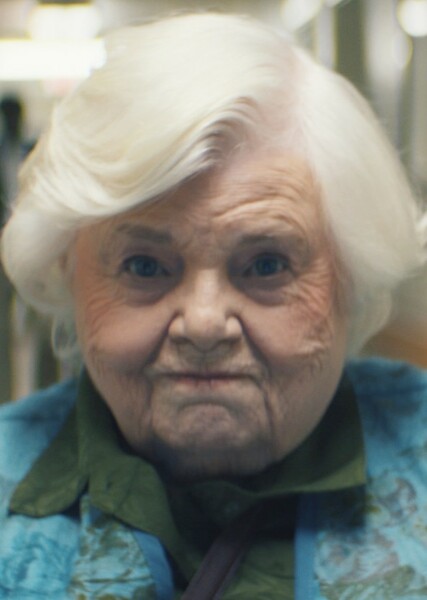
Age: 96
female
June Squibb (born November 6, 1929) began working in musical theatre at the St. Louis Muny and trained at the Cleveland Play House, and at the HB Studio. While at the Cleveland Play House, she performed in productions of Marseilles, The Play's the Thing, Goodbye, My Fancy, The Heiress, Detective Story, Antigone, Ladies in Retirement and Bloomer Girl. In 1958, she played Dulcie in The Boyfriend Off-Broadway. In 1959, she starred in an Off-Broadway revival of Lend an Ear with Elizabeth Allen. She made her Broadway debut in the original production of Gypsy starring Ethel Merman, taking over the role of stripper Electra in 1960. Squibb appeared in The Happy Time, which opened in 1968 and was nominated for the Tony Award for Best Musical. In-between these periods, she did modelling work for romance novels and appeared in commercials. In 1995, she appeared in the play Sacrilege on Broadway, which starred Ellen Burstyn. Squibb played many roles in national tours, regional theatre, summer stock and off-Broadway. In 2012, she played Stella Gordon in Dividing the Estate at the Dallas Theater Center in which she received standout reviews. She was nominated for the Academy Award for Best Supporting Actress for Alexander Payne's film Nebraska (2013). In 2015, she was inducted into the Cleveland Play House Hall of Fame. Squibb will appear in the Disney+ film Godmothered.
June Squibb

Miss Wormwood
for Miss Wormwood in 𝐂𝐚𝐥𝐯𝐢𝐧 𝐚𝐧𝐝 𝐇𝐨𝐛𝐛𝐞𝐬
Suggested by demurelyhydrated
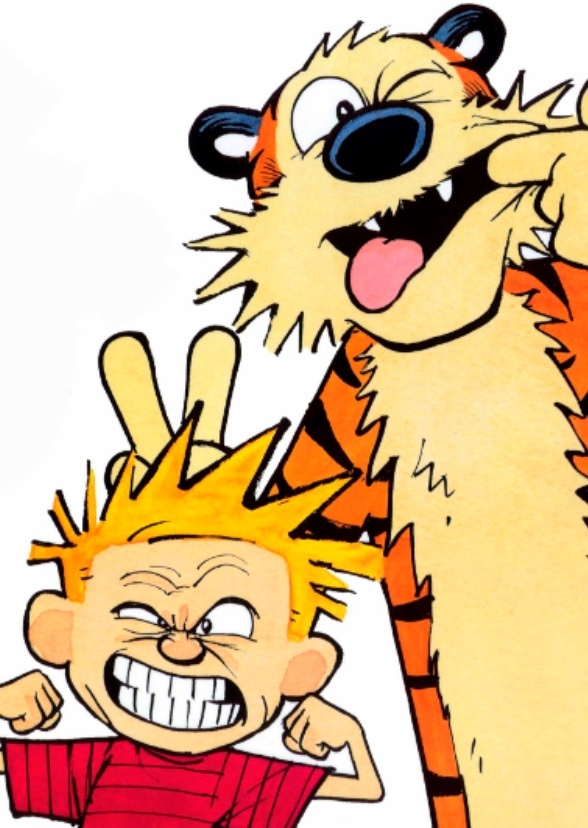
Calvin and Hobbes follows the humorous antics of the title characters: Calvin, a mischievous and adventurous six-year-old boy; and his friend Hobbes, a stuffed tiger. Set in the suburban United States of the 1980s and 1990s, the strip depicts Calvin's frequent flights of fancy and friendship with Hobbes. It also examines Calvin's relationships with his long-suffering parents and with his classmates, especially his neighbor Susie Derkins. Hobbes's dual nature is a defining motif for the strip: to Calvin, Hobbes is a living anthropomorphic tiger, while all the other characters seem to see Hobbes as an inanimate stuffed toy, though Watterson has not clarified exactly how Hobbes is perceived by others, or whether he is real or an imaginary friend. Though the series does not frequently mention specific political figures or ongoing events, it does explore broad issues like environmentalism, public education, and philosophical quandaries. At the height of its popularity, Calvin and Hobbes was featured in over 2,400 newspapers worldwide. As of 2010, reruns of the strip appeared in more than 50 countries, and nearly 45 million copies of the Calvin and Hobbes books had been sold worldwide.




