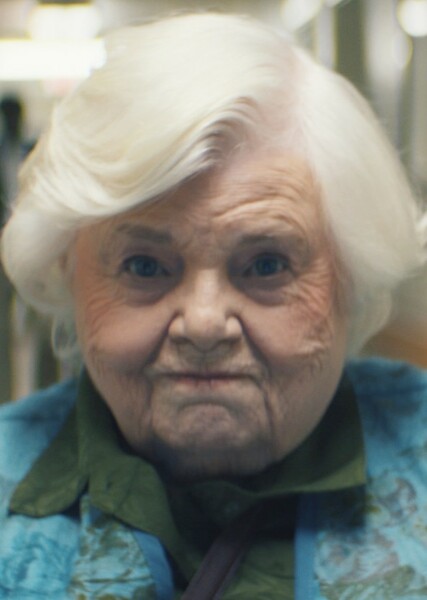
Age: 93
female
Ellen Burstyn (born Edna Rae Gillooly; December 7, 1932) is an American actress. Known for her portrayals of complex women in dramas, she has received numerous accolades, including an Academy Award, a Tony Award, and two Primetime Emmy Awards, making her one of the few performers to achieve the "Triple Crown of Acting". She has also received a BAFTA Award and a Golden Globe Award. Burstyn made her acting debut on Broadway in Fair Game in 1957 before winning the Tony Award for Best Actress in a Play for Same Time, Next Year (1975). She earned the Academy Award for Best Actress as the widow Alice Hyatt in Martin Scorsese's romantic drama Alice Doesn't Live Here Anymore (1974). Her other Oscar-nominated roles were in The Last Picture Show (1971), The Exorcist (1973), Same Time, Next Year (1978), Resurrection (1980), and Requiem for a Dream (2000). Her other notable films include Harry and Tonto (1974), How to Make an American Quilt (1995), Divine Secrets of the Ya-Ya Sisterhood (2002), W. (2008), Interstellar (2014), The Age of Adaline (2015), and Pieces of a Woman (2020). She won Primetime Emmy Awards for her guest role in the NBC legal drama Law & Order: Special Victims Unit (2009) and supporting role in the USA Network political miniseries Political Animals (2013). Her other Emmy-nominated roles include Pack of Lies (1988), Mrs. Harris (2005), Big Love (2008), Draft Day, Flowers in the Attic (both 2014), and House of Cards (2016). Since 2000, she has been co-president of the Actors Studio, a drama school in New York City. In 2013, she was inducted into the American Theatre Hall of Fame for her work onstage.
Ellen Burstyn

Miss Wormwood
for Miss Wormwood in 𝐂𝐚𝐥𝐯𝐢𝐧 𝐚𝐧𝐝 𝐇𝐨𝐛𝐛𝐞𝐬
Suggested by demurelyhydrated
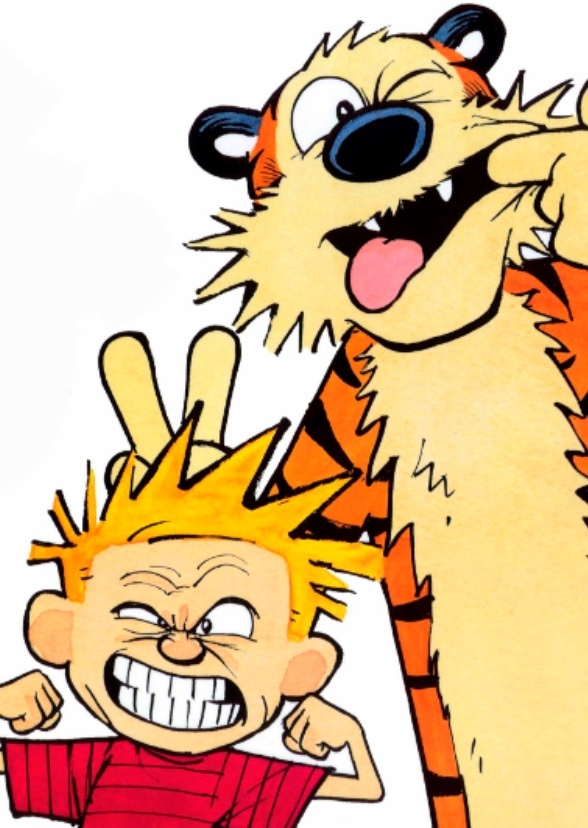
Calvin and Hobbes follows the humorous antics of the title characters: Calvin, a mischievous and adventurous six-year-old boy; and his friend Hobbes, a stuffed tiger. Set in the suburban United States of the 1980s and 1990s, the strip depicts Calvin's frequent flights of fancy and friendship with Hobbes. It also examines Calvin's relationships with his long-suffering parents and with his classmates, especially his neighbor Susie Derkins. Hobbes's dual nature is a defining motif for the strip: to Calvin, Hobbes is a living anthropomorphic tiger, while all the other characters seem to see Hobbes as an inanimate stuffed toy, though Watterson has not clarified exactly how Hobbes is perceived by others, or whether he is real or an imaginary friend. Though the series does not frequently mention specific political figures or ongoing events, it does explore broad issues like environmentalism, public education, and philosophical quandaries. At the height of its popularity, Calvin and Hobbes was featured in over 2,400 newspapers worldwide. As of 2010, reruns of the strip appeared in more than 50 countries, and nearly 45 million copies of the Calvin and Hobbes books had been sold worldwide.