Age: 68
female
Fiona Shaw (born Fiona Mary Wilson, 10 July 1958) is an Irish film and theatre actress. She did extensive work with the Royal Shakespeare Company and the National Theatre, as well as in film and television. In 2020, she was listed at No. 29 on The Irish Times list of Ireland's greatest film actors. She was made an Honorary Commander of the Order of the British Empire (CBE) by Queen Elizabeth II in 2001. She won both the 1990 and 1994 Laurence Olivier Award for Best Actress for roles in the plays Electra, As You Like It, The Good Person of Szechwan (1990), and Machinal (1994) and received a further three Olivier Award nominations for her roles in Mephisto (1986), Hedda Gabler (1992), and Happy Days (2008). She made her Broadway debut playing the title role in Medea (2002), for which she earned a nomination for the Tony Award for Best Actress in a Play. She returned to Broadway in the Colm Tóibín play The Testament of Mary (2013). In film, she played Petunia Dursley in the Harry Potter film series (2001–2010). Other notable film roles include My Left Foot (1989), Persuasion (1995), Jane Eyre (1996), The Tree of Life (2011), Colette (2018), Ammonite (2020), and Enola Holmes (2020). Her television roles include Hedda Hopper in the HBO film RKO 281 (1999) and Marnie Stonebrook in the HBO series True Blood (2011). She played Carolyn Martens in the BBC series Killing Eve (2018–22), for which she received the 2019 BAFTA TV Award for Best Supporting Actress and two Primetime Emmy Award nominations. For her role as a counsellor in Fleabag (2019), she received a Primetime Emmy Award for Outstanding Guest Actress in a Comedy Series nomination. She starred in the BBC One series Baptiste (2021) and the Disney+ series Andor (2022). Description above from the Wikipedia article Manny Jacinto, licensed under CC-BY-SA, full list of contributors on Wikipedia.
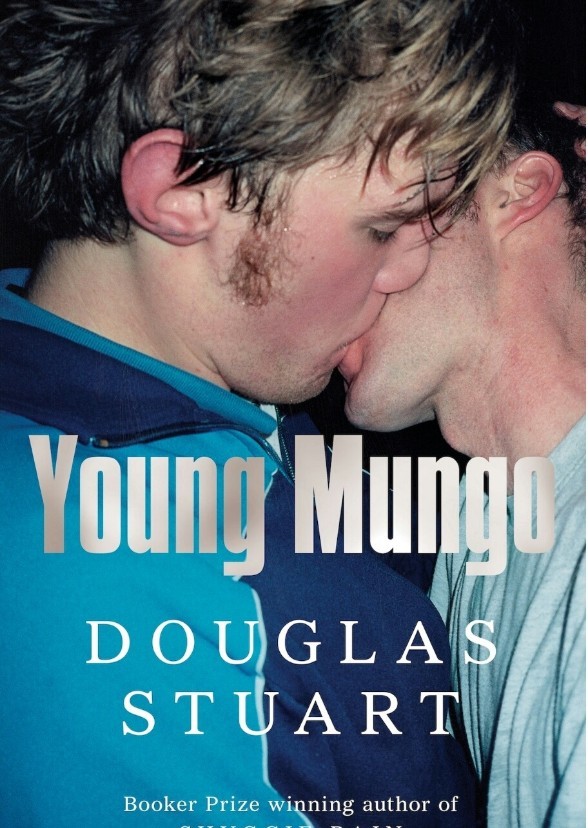
Born under different stars, Protestant Mungo and Catholic James live in the hyper-masculine and violently sectarian world of Glasgow’s housing estates. They should be sworn enemies if they’re to be seen as men at all, and yet they become best friends as they find a sanctuary in the pigeon dovecote that James has built for his prize racing birds. As they find themselves falling in love, they dream of escaping the grey city, and Mungo works especially hard to hide his true self from all those around him, especially from his elder brother Hamish, a local gang leader with a brutal reputation to uphold. But the threat of discovery is constant and the punishment unspeakable. When Mungo’s mother sends him on a fishing trip to a loch in Western Scotland with two strange men whose drunken banter belies murky pasts, he will need to summon all his inner strength and courage to get back to a place of safety, a place where he and James might still have a future. Imbuing the everyday world of its characters with rich lyricism and giving full voice to people rarely acknowledged in literary fiction, Douglas Stuart's Young Mungo is a gripping and revealing story about the bounds of masculinity, the push and pull of family, the violence faced by so many queer people, and the dangers of loving someone too much