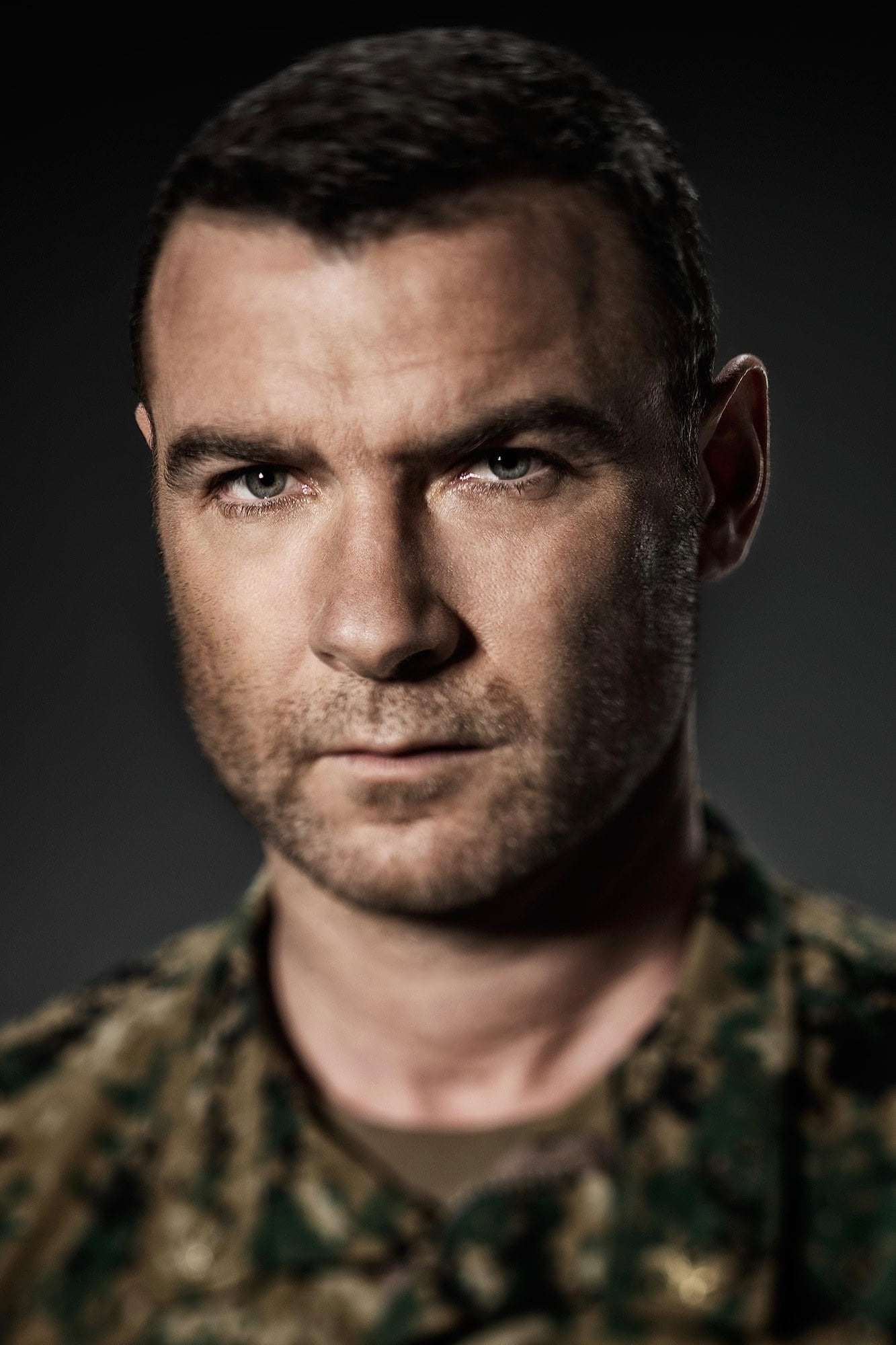
Age: 59
male
Isaac Liev Schreiber (/ˈliːɛv ˈʃraɪbər/ LEE-ev SHRY-bər; born October 4, 1967) is an American actor. He has received numerous accolades, including a Tony Award and nominations for nine Primetime Emmy Awards and five Golden Globe Awards. Schreiber's early film roles include Mixed Nuts (1994), Party Girl (1995), The Daytrippers (1996), and Big Night (1996). He appeared in the first three Scream horror films (1996–2000), Ransom (1996), The Hurricane (1999), Hamlet (2000), Kate & Leopold (2001), The Manchurian Candidate (2004), The Painted Veil (2006), X-Men Origins: Wolverine (2009), Pawn Sacrifice (2014), and Spotlight (2015). He acted in the Wes Anderson films Isle of Dogs (2018), The French Dispatch (2021), and Asteroid City (2023). He made his directorial film debut with Everything Is Illuminated (2005). He made his Broadway debut in In the Summer House (1992). He earned the Tony Award for Best Featured Actor in a Play for playing Richard Roma in the David Mamet play Glengarry Glen Ross (2005). He was Tony-nominated for his roles in the Eric Bogosian play Talk Radio (2007), the Arthur Miller revival A View from the Bridge (2010) and the John Patrick Shanley revival Doubt (2024). He also acted in Les Liaisons Dangereuses (2016). For his television roles, he most notably portrayed the titular character in the Showtime drama series Ray Donovan (2013–2020). He reprised the role in the television film Ray Donovan: The Movie (2022). The role has earned him nominations for three Primetime Emmy Awards and four Golden Globe Awards. He also portrayed Orson Welles in the HBO film RKO 281 (1999) and Otto Frank in the Nat Geo miniseries A Small Light (2023). Description above from the Wikipedia article Liev Schreiber, licensed under CC-BY-SA, full list of contributors on Wikipedia.
Liev Schreiber

Victor Creed
for Victor Creed in X-Men: Re-imagined
Suggested by bencasting
My attempt to reorganise X-Men films into a more cohesive timeline. X-Men (2000): Growing fear of mutants. Focus on the X-men’s found-family dynamic across generations. Rogue given more character development. Clash with Magneto & the Brotherhood stopping his increasingly extreme plan. X-Men: Mankind (2003): Wolverine’s past emerges through flashbacks. The cruelty of William Stryker’s Weapon X program forces the X-Men and Magneto into a reluctant alliance, while Jean Grey’s powers are pushed to the limit saving the team. X-Men: Phoenix Rising (2007): Jean, believed dead, returns with the Phoenix Force, amplifying her anger at humans, Charles & Magneto. She causes destruction, struggles morally, and ultimately chooses to take control of the power, manifesting as the Phoenix in the sky and removing herself from the world. Sentinel program quietly advances. X-Men: First Class (2010): Nathaniel Essex as architect pulling strings from the shadows. More time with Erik hunting Nazis. More comic-accurate Emma Frost; Darwin survives; Havok swapped to fix continuity. X-Men: Days of Future Past (2013): Mostly the same but with enough focus and better lines for characters to give them time to shine. X-Men: Bloodlines (2023): Set against the fall of the iron curtain – Mr. Sinister is abducting unregistered mutants across Europe. Setting traps for the x-men, to divide and capture Scott & Jean to harness their DNA. Jean’s powers surge during a showdown beneath Berlin, destroying Sinister’s archives, forcing his retreat. X-Men: Apocalypse (2025): Jeans power surge & Sinister’s failure awakens Apocalypse. Seeing his “pawn” could not control the X-Men or Jean’s cosmic power, Apocalypse corrupts 4 Horsemen to reshape the modern world. Guided by future Charles via the astral plane, Jean learns to control her Phoenix energy. The team overcome Apocalypse, entombing him & preventing his conquest.