Age: 53
male
David Jude Heyworth Law (born 29 December 1972) is an English actor. He began his career in British theatre before landing small roles in various television productions and feature films. Law gained international recognition for his role in Anthony Minghella's The Talented Mr. Ripley (1999), for which he won the BAFTA Award for Best Actor in a Supporting Role and was nominated for the Academy Award in the same category. Law found further critical and commercial success in Steven Spielberg's A.I. Artificial Intelligence (2001), Sam Mendes' Road to Perdition (2002), Minghella's Cold Mountain (2003), for which he earned Academy Award and BAFTA nominations, in addition to the drama Closer (2004) and the romantic comedy The Holiday (2006). His subsequent roles were as Dr. Watson in Sherlock Holmes (2009) and Sherlock Holmes: A Game of Shadows (2011), a young Albus Dumbledore in Fantastic Beasts: The Crimes of Grindelwald (2018) and Fantastic Beasts: The Secrets of Dumbledore (2022), and Yon-Rogg in Captain Marvel (2019); all of which rank among his highest-grossing releases. Other notable films include Contagion (2011), Hugo (2011), Side Effects (2013), The Grand Budapest Hotel (2014), and Spy (2015), as well as the television series The Young Pope (2016), The New Pope (2020), and Star Wars: Skeleton Crew (2024), earning a Children's and Family Emmy Award for Outstanding Lead Performer nomination for the latter. In addition to his film work, Law has performed in several West End and Broadway productions, including Les Parents terribles in 1994, Hamlet in 2010, and Anna Christie in 2011. These earned him nominations for two Tony Awards. He has also been awarded the Honorary César and was named a knight of the Order of Arts and Letters by the French government. Description above from the Wikipedia article Jude Law, licensed under CC-BY-SA, full list of contributors on Wikipedia.
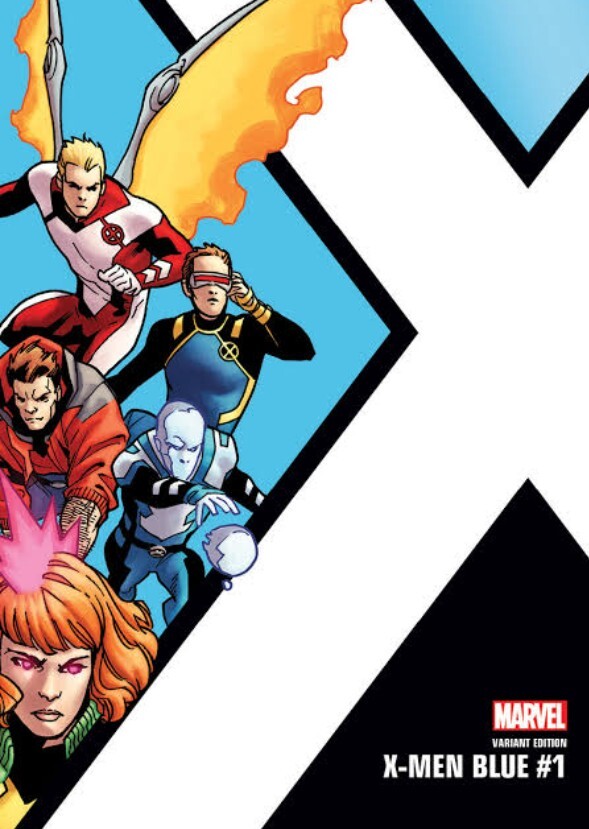
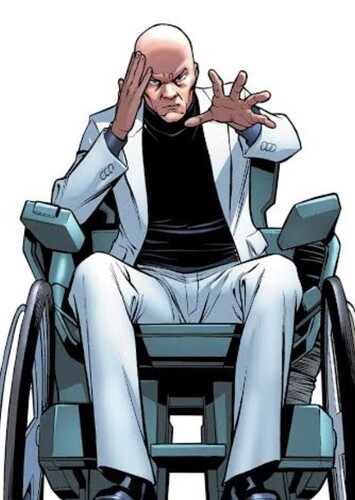
Charles Xavier and Erik Lehnsherr meet as young men, united by their desire to protect mutants and offer them a better future. Together, they found a school to shelter and train mutants while humanity is not yet ready to accept them. However, after the death of a mutant and marked by past traumas, Erik loses faith in peaceful coexistence. Convinced that mutants are the next stage of evolution, he assumes the name Magneto and begins to advocate domination as the only way to survive, breaking with Xavier. Decades later, Xavier runs the Xavier School for Gifted Youngsters, keeping alive his dream of coexistence between humans and mutants, despite the constant growth of the mutant population and the risk of exposure. In this context, Magneto returns even more radical, proposing a war against humanity. Faced with Xavier's refusal to join him, Magneto destroys the school, declaring enemies all those who do not share his vision. To confront him, Xavier gathers former students and forms the X-Men, led by Scott Summers, as an opposition to Magneto's extremism. The conflict reaches its climax when Magneto attacks world leaders in New York, revealing mutants to the world and threatening humanity, forcing the newly formed X-Men to act. The story culminates in the big question: who is right, Xavier or Magneto, and which vision will prevail in this war for the future of mutants and the world?