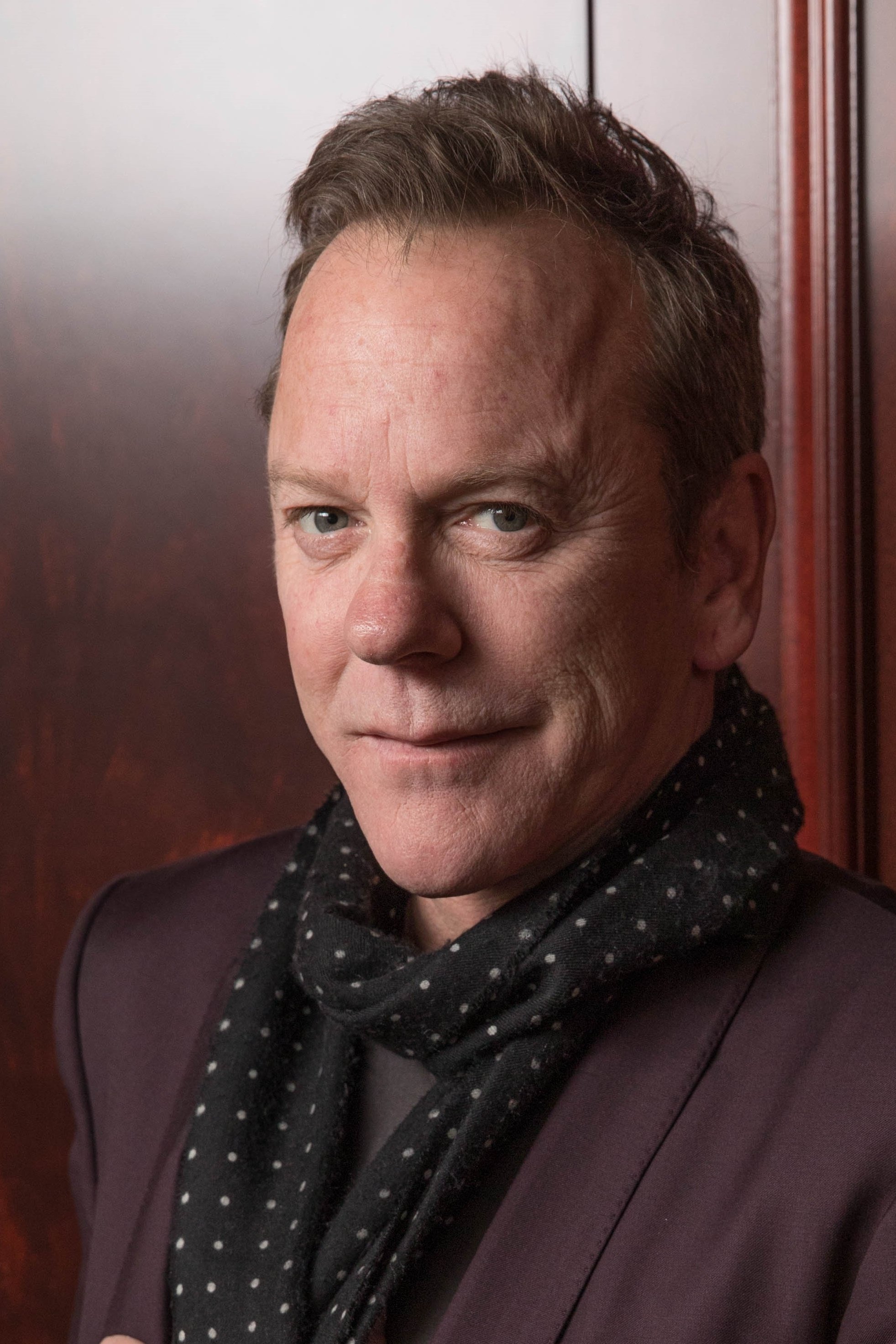
Age: 63
male
Robert John Odenkirk (born October 22, 1962) is an American actor, comedian, and filmmaker best known for his role as Saul Goodman on Breaking Bad (2008–2013) and its spin-off Better Call Saul (2015–2022). For the latter, he has received five nominations for Primetime Emmy Award for Outstanding Lead Actor in a Drama Series. As a producer on Better Call Saul since its premiere, he has also received six nominations for Primetime Emmy Award for Outstanding Drama Series. He is also known for the HBO sketch comedy series Mr. Show with Bob and David (1995–1998), which he co-created and co-starred in with fellow comic David Cross. In 2015, he and Cross reunited, along with the rest of the Mr. Show cast, for W/ Bob & David on Netflix. Odenkirk wrote for television series Saturday Night Live (1987–1991) and The Ben Stiller Show (1992), winning Emmy Award for Outstanding Writing for a Variety Series in 1989 and 1993. He also wrote for Late Night with Conan O'Brien (1993–1994) and acted in a recurring role as Agent Stevie Grant in The Larry Sanders Show (1993–1998). In the early 2000s, Odenkirk discovered the comedy duo Tim & Eric. He produced their television series Tom Goes to the Mayor (2004–2006) and Tim and Eric Awesome Show, Great Job! (2007–2010). His feature directorial credits include the films Melvin Goes to Dinner (2003), Let's Go to Prison (2006), and The Brothers Solomon (2007). The success of Breaking Bad and Better Call Saul led to acting work in high-profile projects such as Nebraska (2013), the first season of Fargo (2014), Steven Spielberg's The Post (2017), Pixar's Incredibles 2 (2018), Little Women (2019) and, as the lead, the action film Nobody (2021), which he also produced. Description above from the Wikipedia article Bob Odenkirk, licensed under CC-BY-SA, full list of contributors on Wikipedia.
Bob Odenkirk
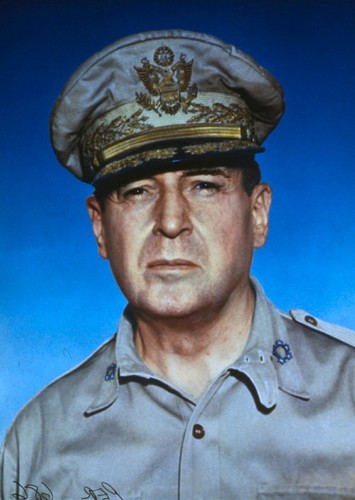
Douglas Macarthur
for Douglas Macarthur in World War II: The War in the Pacific
Suggested by darksith

The Pacific War, sometimes called the Asia-Pacific War, was the scene of World War II, which took place in East Asia, the Pacific Ocean, the Indian Ocean, and Oceania. Geographically, it was the largest theater of the war, including the huge war rampage in the Pacific, the war in the Southwest Pacific, the Second Sino-Japanese War, and the Soviet-Japanese War. The Second Sino-Japanese War between the Empire of Japan and the Republic of China had been ongoing since July 7, 1937, with hostilities extending as far back as September 19, 1931, with the Japanese invasion of Manchuria. The Pacific War itself began on December 7 (December 8 Japanese time) 1941, when the Japanese simultaneously attacked United States military bases in Hawaii, Wake Island, Guam, and the Philippines and invaded Thailand and the British colonies of Malaya, Singapore and Hong Kong. In the Pacific War, the Allies opposed Japan, aided by Thailand and to a lesser extent by Axis allies. The fighting consisted of some of the largest naval battles in history and incredibly fierce battles and war crimes across Asia and the Pacific Islands resulting in huge loss of life. The war culminated in massive Allied air raids on Japan, including the dropping of atomic bombs on Hiroshima and Nagasaki, accompanied by a declaration of war by the Soviet Union and the invasion of Manchuria and other territories on August 9, 1945, causing the Japanese to announce their intention to surrender on August 15, 1945.