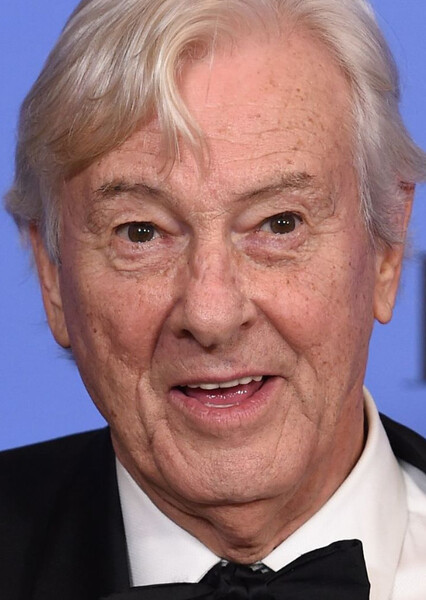
Age: 72
male
James Francis Cameron (born August 16, 1954) is a Canadian filmmaker. He is a major figure in the post-New Hollywood era and often uses novel technologies with a classical filmmaking style. Cameron first gained recognition for writing and directing The Terminator (1984), and found further success with Aliens (1986), The Abyss (1989), Terminator 2: Judgment Day (1991), and True Lies (1994), as well as Avatar (2009) and its sequels. He directed, wrote, co-produced, and co-edited Titanic (1997), winning Academy Awards for Best Picture, Best Director, and Best Film Editing. He is a recipient of various other industry accolades, and three of his films have been selected for preservation in the National Film Registry by the Library of Congress. Cameron co-founded the production companies Lightstorm Entertainment, Digital Domain, and Earthship Productions. In addition to filmmaking, he is a National Geographic explorer-in-residence. He has produced many documentaries on deep-ocean exploration, including Ghosts of the Abyss (2003) and Aliens of the Deep (2005). Cameron has also contributed to underwater filming and remote vehicle technologies and helped create the digital 3D Fusion Camera System. In 2012, Cameron became the first person to solo descend the Mariana Trench, the deepest part of the Earth's ocean, in the Deepsea Challenger submersible. Cameron's films have grossed over $8 billion worldwide, making him the second-highest-grossing film director. Three of Cameron's films are among the top four highest-grossing films of all time; Avatar (2009), Avatar: The Way of Water (2022) and Titanic (1997) are the highest, third-highest and fourth-highest-grossing films of all time, respectively. Cameron directed the first film to gross over $1 billion, the first two films to gross over $2 billion, and is the only director to have had three films grossing over $2 billion. In 2010, Time named Cameron one of the 100 most influential people in the world. Cameron is also an environmentalist and runs several sustainability businesses. Description above from the Wikipedia article James Cameron, licensed under CC-BY-SA, full list of contributors on Wikipedia.
James Cameron

Director
for Director in World War II: The War in the Pacific
Suggested by darksith

The Pacific War, sometimes called the Asia-Pacific War, was the scene of World War II, which took place in East Asia, the Pacific Ocean, the Indian Ocean, and Oceania. Geographically, it was the largest theater of the war, including the huge war rampage in the Pacific, the war in the Southwest Pacific, the Second Sino-Japanese War, and the Soviet-Japanese War. The Second Sino-Japanese War between the Empire of Japan and the Republic of China had been ongoing since July 7, 1937, with hostilities extending as far back as September 19, 1931, with the Japanese invasion of Manchuria. The Pacific War itself began on December 7 (December 8 Japanese time) 1941, when the Japanese simultaneously attacked United States military bases in Hawaii, Wake Island, Guam, and the Philippines and invaded Thailand and the British colonies of Malaya, Singapore and Hong Kong. In the Pacific War, the Allies opposed Japan, aided by Thailand and to a lesser extent by Axis allies. The fighting consisted of some of the largest naval battles in history and incredibly fierce battles and war crimes across Asia and the Pacific Islands resulting in huge loss of life. The war culminated in massive Allied air raids on Japan, including the dropping of atomic bombs on Hiroshima and Nagasaki, accompanied by a declaration of war by the Soviet Union and the invasion of Manchuria and other territories on August 9, 1945, causing the Japanese to announce their intention to surrender on August 15, 1945.