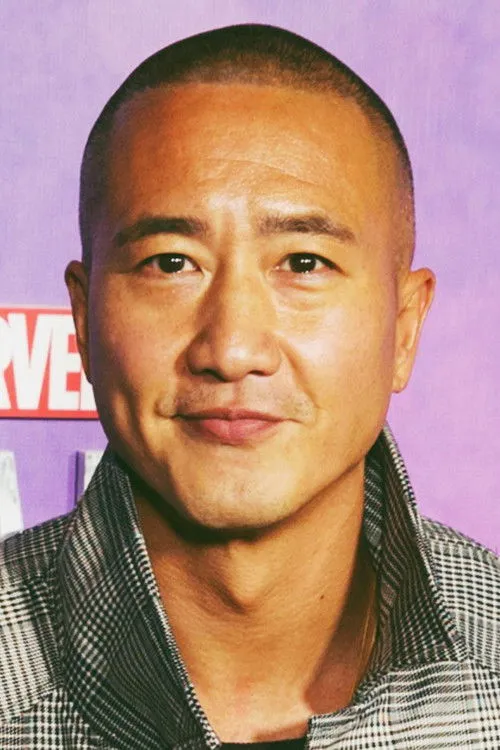
Age: 64
male
Tony Leung Chiu-Wai (Chinese: 梁朝偉, born 27 June 1962) is a Hong Kong actor and singer. He is considered one of Asia's most successful and internationally recognised actors and was named as "Small Tiger" among the Five Tiger Generals of TVB. He has won many international acting prizes, including the Cannes Film Festival award for Best Actor for his performance in Wong Kar-wai's film In the Mood for Love. Leung is widely considered the best native Hong Kong actor of his generation. He was named by CNN as one of "Asia's 25 Greatest Actors of All Time". Leung is known for his collaborations with director Wong Kar-wai, with whom he has worked in seven films including Chungking Express (1994), Happy Together (1997), In the Mood for Love (2000), and The Grandmaster (2013). He also appeared in three Venice Film Festival Golden Lion-winning films, including A City of Sadness (1989), Cyclo (1995) and Lust, Caution (2007), directed by Ang Lee. Leung also stars in the Academy Award-nominated film Hero, and the box office hits Hard Boiled (1992) and Infernal Affairs (2002). Leung was cast as the Mandarin in the Marvel Cinematic Universe film Shang-Chi and the Legend of the Ten Rings (2021). Leung has a comprehensive set of awards that he has won in a career that began in the 1980s. For In the Mood for Love, Leung earned the Best Actor award at the Cannes Film Festival. He is also a six-time winner at the Hong Kong Film Awards and three-time winner at the Golden Horse Film Awards, holding the record for most awards in the Best Actor category. The 2002 book East Asian Film Stars describes Leung as "undoubtedly one of the most successful and widely-acclaimed Hong Kong actors of his generation, with a broad and diverse filmography."
Tony Leung Chiu-wai

Chiang Kai-shek
for Chiang Kai-shek in World War II: The War in the Pacific
Suggested by zaeemhussain1

The Pacific War, sometimes called the Asia-Pacific War, was the scene of World War II, which took place in East Asia, the Pacific Ocean, the Indian Ocean, and Oceania. Geographically, it was the largest theater of the war, including the huge war rampage in the Pacific, the war in the Southwest Pacific, the Second Sino-Japanese War, and the Soviet-Japanese War. The Second Sino-Japanese War between the Empire of Japan and the Republic of China had been ongoing since July 7, 1937, with hostilities extending as far back as September 19, 1931, with the Japanese invasion of Manchuria. The Pacific War itself began on December 7 (December 8 Japanese time) 1941, when the Japanese simultaneously attacked United States military bases in Hawaii, Wake Island, Guam, and the Philippines and invaded Thailand and the British colonies of Malaya, Singapore and Hong Kong. In the Pacific War, the Allies opposed Japan, aided by Thailand and to a lesser extent by Axis allies. The fighting consisted of some of the largest naval battles in history and incredibly fierce battles and war crimes across Asia and the Pacific Islands resulting in huge loss of life. The war culminated in massive Allied air raids on Japan, including the dropping of atomic bombs on Hiroshima and Nagasaki, accompanied by a declaration of war by the Soviet Union and the invasion of Manchuria and other territories on August 9, 1945, causing the Japanese to announce their intention to surrender on August 15, 1945.