Age: 68
male
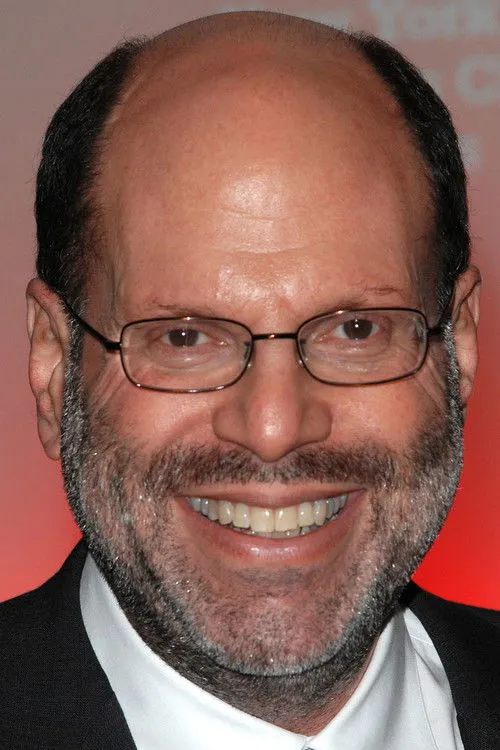
Scott Rudin (born July 14, 1958) is an American film and theatrical producer. He started working as an assistant to theater producer Kermit Bloomgarden at the age of sixteen. Later, he worked for producers Robert Whitehead and Emanuel Azenberg. Rudin ended up starting his own company after he took a job as a casting agent In lieu of attending college. In 1980, Rudin moved to Los Angeles, taking up employment at Edgar J. Scherick Associates, where he served as producer on a variety of films including I'm Dancing as Fast as I Can (1981), the NBC miniseries Little Gloria... Happy at Last (1982) and the Oscar-winning documentary He Makes Me Feel Like Dancin' (1983). Rudin later formed his own business, Scott Rudin Productions. His first film under that banner was Gillian Armstrong's Mrs. Soffel (1984). But, not long after, Rudin joined 20th Century-Fox as an executive producer. At Fox, he met Jonathan Dolgen, a higher-level executive, with whom he would be working once again at Paramount Pictures years later. Rudin swiftly rose through the ranks at Fox and became president of production by 1986 at the age of 29. His stint at the top of Fox was short lived though, and he soon left and entered into a producing deal with Paramount. In early 2021, The Hollywood Reporter published a story covering a long term pattern of abusive behavior from Rudin, based on statements from former employees. In the article, he was accused of physical abuse, including smashing a computer monitor on the hand of an assistant and throwing objects at employees. Following this, Rudin announced he would be stepping away from a number of film, television, and Broadway projects he was involved in. His business relationship with A24 was also ended during this time. Rudin lives in New York City with his husband John Barlow, a Broadway theatre publicist and former owner of Barlow/Hartman Public Relations.
Scott Rudin

Producer
for Producer in World War II: The War in the Europe
Suggested by filmlover1994

World War II was the most devastating and bloody military conflict in human history. It ran from 1939 to 1945 and was attended by most of the world's countries. In total, the this conflict has claimed more than 70 million victims on lives. 2025 marks 80 years since the end of this devastating war. Let us therefore recall the events that took place during it. The heroism of the allies who fought on all fronts for freedom against the Axis countries. It all began on 1 September 1939, when Nazi Germany invaded Poland. The fall of France followed. The Battle of Britain and the invasion of the Soviet Union in 1941. For Europe, everything looked hopeless because the Nazis occupied almost all of Europe. But then the Battle of Staligrad came and the war turned. The Soviets had defended Moscow, and after the Battle of Kursk it was clear that the eastern front was lost to the for Germans. In 1944, the Western Front was open. Allied forces made a successful landing in Normandy. The Americans, Soviets, British, and other allies gradually liberated Europe from the German occupiers, revealing their heinous crimes. In the end, the last decisive battle for Berlin took place, and Nazi Germany was defeated, ending World War II in Europe. These historical events included a number of personal stories of ordinary soldiers and civilians who were fully experiencing the horrors of World War II.