Age: 91
male
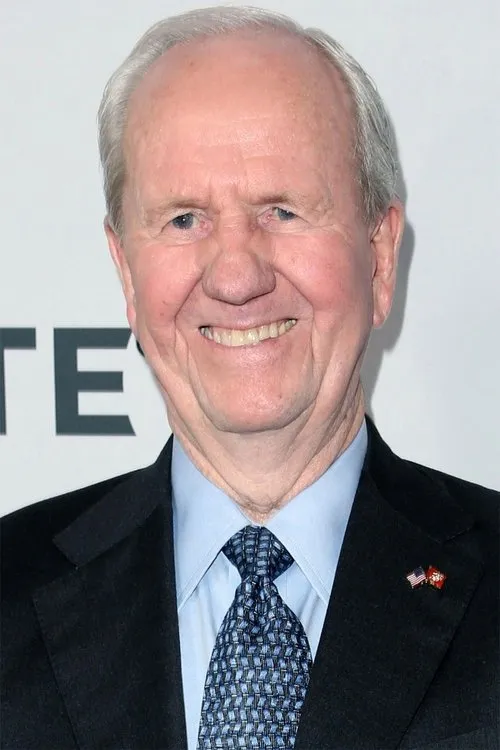
From Wikipedia, the free encyclopedia. Gerald Robert Molen (born January 6, 1935) is a high profile American film producer. He works very closely with Steven Spielberg, having produced five of his films, and won an Academy Award for co-producing Schindler's List. Gerald "Jerry" Molen is now semi-retired and spends his time alternating between Montana and Las Vegas, Nevada. Molen was born in Great Falls, Montana, the son of Edith Lorraine (née Meyer) and Gerald Richard Molen. He grew up in North Hollywood, California, after moving from Montana, with a number of younger brothers and sisters. His mother ran a diner, "The Blue Onion", which was located across from one of the major studios. Molen got his start in the movie business by changing tires on studio trucks. Molen has appeared in cameos in several of the films he produced, including Rain Man, Days of Thunder, and Jurassic Park. The name 'Molen' can be seen painted on the front of a large black cauldron in the movie Hook as the camera pans across the pirate docks in Neverland. Molen is an active member of The Church of Jesus Christ of Latter-day Saints. Description above from the Wikipedia article Gerald R. Molen, licensed under CC-BY-SA, full list of contributors on Wikipedia.
Gerald R. Molen

Producer
for Producer in World War II: The War in the Europe
Suggested by filmlover1994

World War II was the most devastating and bloody military conflict in human history. It ran from 1939 to 1945 and was attended by most of the world's countries. In total, the this conflict has claimed more than 70 million victims on lives. 2025 marks 80 years since the end of this devastating war. Let us therefore recall the events that took place during it. The heroism of the allies who fought on all fronts for freedom against the Axis countries. It all began on 1 September 1939, when Nazi Germany invaded Poland. The fall of France followed. The Battle of Britain and the invasion of the Soviet Union in 1941. For Europe, everything looked hopeless because the Nazis occupied almost all of Europe. But then the Battle of Staligrad came and the war turned. The Soviets had defended Moscow, and after the Battle of Kursk it was clear that the eastern front was lost to the for Germans. In 1944, the Western Front was open. Allied forces made a successful landing in Normandy. The Americans, Soviets, British, and other allies gradually liberated Europe from the German occupiers, revealing their heinous crimes. In the end, the last decisive battle for Berlin took place, and Nazi Germany was defeated, ending World War II in Europe. These historical events included a number of personal stories of ordinary soldiers and civilians who were fully experiencing the horrors of World War II.