Age: 23
female
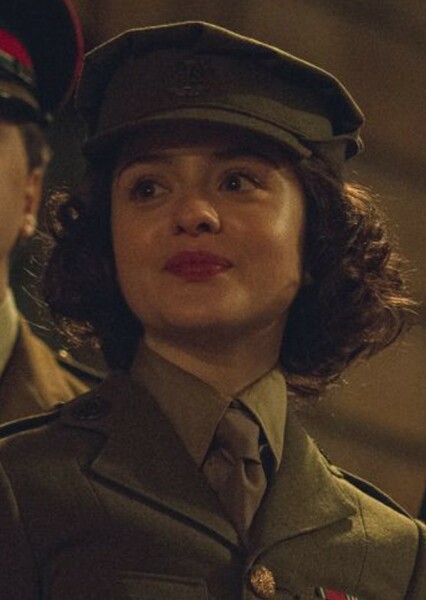
Viola Margaret Jane Prettejohn (born July 2003) is a British actress. She is known for her role as Myrtle Haplisch in the HBO series The Nevers (2021–2023). She played young Princess Elizabeth in the sixth season of The Crown (2023) on Netflix. Prettejohn made her television debut in the second season of the Starz series Counterpart as a young version of Olivia Williams' character Emily. In August 2019, Prettejohn joined the cast of the Joss Whedon series The Nevers on HBO as Myrtle Hapslich.That year, she was also played Fake Ciri in the Netflix television series The Witcher. In 2023, Prettejohn played a teenage Princess Elizabeth on series six of The Crown in flashback scenes set on Victory in Europe Day alongside Beau Gadsdon as young Princess Margaret. In so doing, she became the fifth actress after Claire Foy, Olivia Colman, Imelda Staunton, and Verity Russell to play Elizabeth on the series. That year, she filmed the role of Finn in Ben Wheatley zombie-satire Generation Z for Channel 4. She has an upcoming role in the BBC One adaptation of Hilary Mantel's Wolf Hall: The Mirror and the Light as Mary FitzRoy, Duchess of Richmond and Somerset.
Viola Prettejohn

Princess Elizabeth
for Princess Elizabeth in World War II: The War in the Europe
Suggested by darksith

World War II was the most devastating and bloody military conflict in human history. It ran from 1939 to 1945 and was attended by most of the world's countries. In total, the this conflict has claimed more than 70 million victims on lives. 2025 marks 80 years since the end of this devastating war. Let us therefore recall the events that took place during it. The heroism of the allies who fought on all fronts for freedom against the Axis countries. It all began on 1 September 1939, when Nazi Germany invaded Poland. The fall of France followed. The Battle of Britain and the invasion of the Soviet Union in 1941. For Europe, everything looked hopeless because the Nazis occupied almost all of Europe. But then the Battle of Staligrad came and the war turned. The Soviets had defended Moscow, and after the Battle of Kursk it was clear that the eastern front was lost to the for Germans. In 1944, the Western Front was open. Allied forces made a successful landing in Normandy. The Americans, Soviets, British, and other allies gradually liberated Europe from the German occupiers, revealing their heinous crimes. In the end, the last decisive battle for Berlin took place, and Nazi Germany was defeated, ending World War II in Europe. These historical events included a number of personal stories of ordinary soldiers and civilians who were fully experiencing the horrors of World War II.

