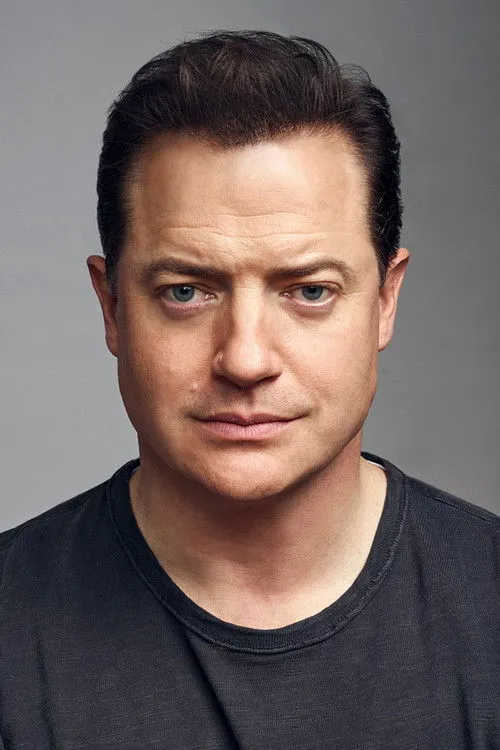
Age: 80
male
Brian Denis Cox (born June 1, 1946) is a Scottish actor. A classically trained Shakespearean actor, he is known for his work on stage and screen. His numerous accolades include two Laurence Olivier Awards, a Primetime Emmy Award, and a Golden Globe Award, as well as a nomination for a British Academy Television Award. In 2003, he was appointed to the Order of the British Empire at the rank of Commander. Cox trained at the Dundee Repertory Theatre before becoming a founding member of the Royal Lyceum Theatre. He went on to train as a Shakespearean actor, starring in numerous productions with the Royal National Theatre and the Royal Shakespeare Company, where he gained recognition for his portrayal of King Lear. Cox received two Laurence Olivier Awards for Best Actor for his roles in Rat in the Skull (1984), for Royal Court, and Titus Andronicus (1988). He received two more Olivier Award nominations for Misalliance (1986) and Fashion (1988). Known as a character actor in film, he played Robert McKee in Spike Jonze's Adaptation (2002) and William Stryker in X2 (2003). For his starring role in L.I.E. (2001), he received an Independent Spirit Award nomination. His other notable films include Manhunter (1986), Iron Will (1994), Braveheart (1995), The Boxer (1997), The Rookie (2002), Troy (2004), Match Point (2005), The Water Horse: Legend of the Deep (2007), Coriolanus (2011), Pixels (2015), and Churchill (2017). Cox won the Primetime Emmy Award for Best Supporting Actor in a Limited Series for his portrayal of Hermann Göring in the television film Nuremberg (2001). The following year, he guest starred on the NBC sitcom Frasier, earning his second Emmy nomination in 2002. He portrayed Jack Langrishe in the HBO series Deadwood. He starred as Logan Roy on the HBO series Succession (2018-2023), for which he won the Golden Globe Award for Best Actor in a Drama Series and was nominated for three Primetime Emmy Awards for Best Actor in a Drama Series.
Brian Cox

Hermann Göring
for Hermann Göring in World War II: The War in the Europe
Suggested by jeremiahhamish85

World War II was the most devastating and bloody military conflict in human history. It ran from 1939 to 1945 and was attended by most of the world's countries. In total, the this conflict has claimed more than 70 million victims on lives. 2025 marks 80 years since the end of this devastating war. Let us therefore recall the events that took place during it. The heroism of the allies who fought on all fronts for freedom against the Axis countries. It all began on 1 September 1939, when Nazi Germany invaded Poland. The fall of France followed. The Battle of Britain and the invasion of the Soviet Union in 1941. For Europe, everything looked hopeless because the Nazis occupied almost all of Europe. But then the Battle of Staligrad came and the war turned. The Soviets had defended Moscow, and after the Battle of Kursk it was clear that the eastern front was lost to the for Germans. In 1944, the Western Front was open. Allied forces made a successful landing in Normandy. The Americans, Soviets, British, and other allies gradually liberated Europe from the German occupiers, revealing their heinous crimes. In the end, the last decisive battle for Berlin took place, and Nazi Germany was defeated, ending World War II in Europe. These historical events included a number of personal stories of ordinary soldiers and civilians who were fully experiencing the horrors of World War II.