Age: 63
male
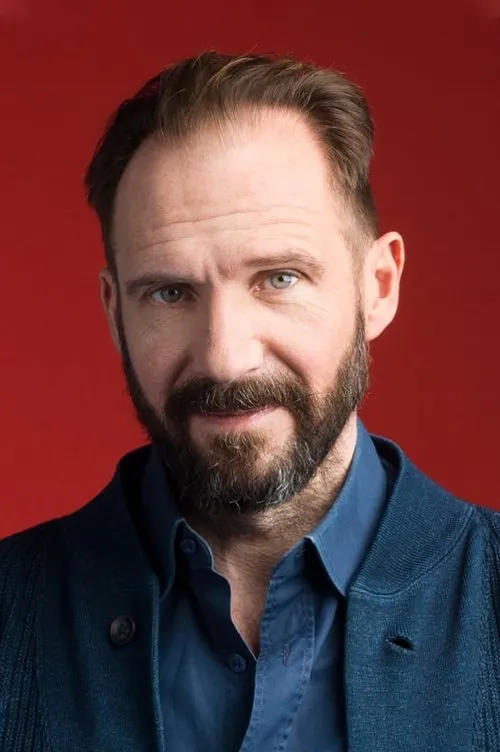
Ralph Nathaniel Twisleton-Wykeham-Fiennes (born 22 December 1962) is an British-American actor, film producer, and director. He has received various accolades, including a British Academy Film Award and a Tony Award, as well as nominations for three Academy Awards, seven Golden Globe Awards, and a Primetime Emmy Award. Born in Ipswich, Suffolk, Fiennes was trained at and graduated from the Royal Academy of Dramatic Art in 1985. A Shakespeare interpreter, he excelled onstage at the Royal National Theatre before succeeding at the Royal Shakespeare Company. In 1995, Fiennes made his Broadway debut playing Prince Hamlet in the revival of the William Shakespeare play Hamlet, for which he won the Tony Award for Best Actor in a Play. He was later Tony-nominated for his role as a travelling faith healer in the Brian Friel play Faith Healer (2006). Fiennes made his film debut playing Heathcliff in Emily Brontë's Wuthering Heights (1992). He has earned three Academy Award nominations for his performances in the films Schindler's List (1993), The English Patient (1996), and Conclave (2024). He has also acted in Quiz Show (1994), Maid in Manhattan (2002), The Constant Gardener (2005), In Bruges (2008), The Reader (2008), The Duchess (2008), The Hurt Locker (2009), The Grand Budapest Hotel (2014), A Bigger Splash (2015), Hail, Caesar! (2016), and The Menu (2022). Fiennes gained wider recognition for playing Lord Voldemort in the Harry Potter film series (2005–2011) and Gareth Mallory / M in the James Bond films (2012–2021); and has voiced roles in the animated films The Prince of Egypt (1998), Wallace & Gromit: The Curse of the Were-Rabbit (2005), Kubo and the Two Strings (2016), and The Lego Batman Movie (2017). He directed and starred in the films Coriolanus (2011) and The Invisible Woman (2013). Aside from acting, Fiennes has been an ambassador for UNICEF UK since 1999.
Ralph Fiennes

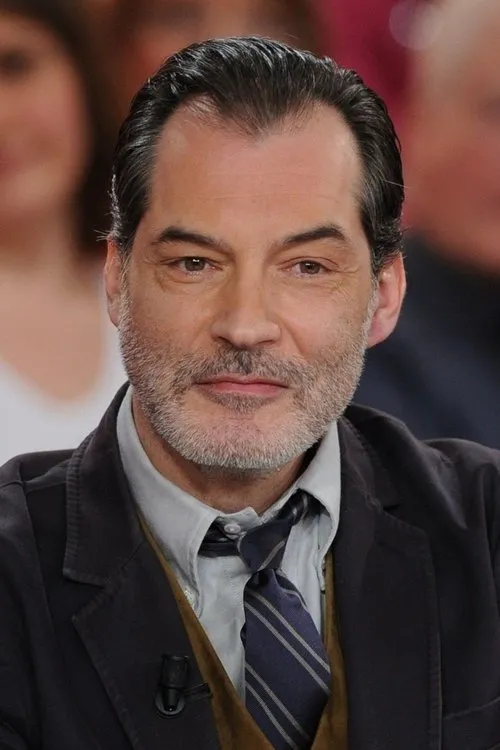
Charles de Gaulle
for Charles de Gaulle in World War II: The War in the Europe
Suggested by nickfindlay

World War II was the most devastating and bloody military conflict in human history. It ran from 1939 to 1945 and was attended by most of the world's countries. In total, the this conflict has claimed more than 70 million victims on lives. 2025 marks 80 years since the end of this devastating war. Let us therefore recall the events that took place during it. The heroism of the allies who fought on all fronts for freedom against the Axis countries. It all began on 1 September 1939, when Nazi Germany invaded Poland. The fall of France followed. The Battle of Britain and the invasion of the Soviet Union in 1941. For Europe, everything looked hopeless because the Nazis occupied almost all of Europe. But then the Battle of Staligrad came and the war turned. The Soviets had defended Moscow, and after the Battle of Kursk it was clear that the eastern front was lost to the for Germans. In 1944, the Western Front was open. Allied forces made a successful landing in Normandy. The Americans, Soviets, British, and other allies gradually liberated Europe from the German occupiers, revealing their heinous crimes. In the end, the last decisive battle for Berlin took place, and Nazi Germany was defeated, ending World War II in Europe. These historical events included a number of personal stories of ordinary soldiers and civilians who were fully experiencing the horrors of World War II.