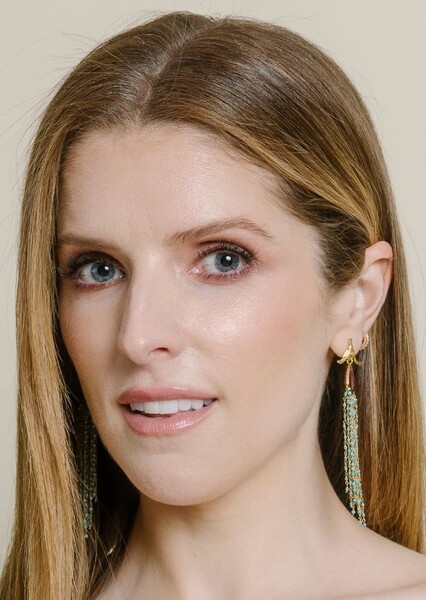
Age: 41
female
Anna Cooke Kendrick (born August 9, 1985) is an American actress. Known for playing upbeat and endearing characters in comedies and musicals, her accolades include nominations for an Academy Award, a Primetime Emmy Award, and a Tony Award. Kendrick's first starring role was in the 1998 Broadway musical High Society, for which she earned a Tony Award nomination for Best Featured Actress in a Musical. She made her film debut in the musical comedy Camp (2003) and had a supporting role in The Twilight Saga (2008–2011). She achieved wider recognition for her role in the comedy-drama film Up in the Air (2009), which earned her an Academy Award nomination for Best Supporting Actress, as well as for her starring role in the Pitch Perfect film series (2012–2017). She starred in the comedies Scott Pilgrim vs. the World (2010) and 50/50 (2011), the crime drama End of Watch (2012), the musical Into the Woods (2014), the thrillers The Accountant (2016) and A Simple Favor (2018), and the fantasy comedy Noelle (2019). She has voiced the lead role in the animated musicals of the Trolls film franchise since 2016. She starred in the short-form comedy series Dummy (2020), for which she received a nomination for a Primetime Emmy Award for Outstanding Actress. She made her directorial debut with the self-starring thriller Woman of the Hour (2023). Kendrick sang on soundtracks for some of her films, including the single "Cups" in 2012, and at events such as the 2013 Kennedy Centre Honours and the 2015 Academy Awards. Her memoir, Scrappy Little Nobody, was published in 2016. Description above from the Wikipedia article Anna Kendrick, licensed under CC-BY-SA, full list of contributors on Wikipedia.
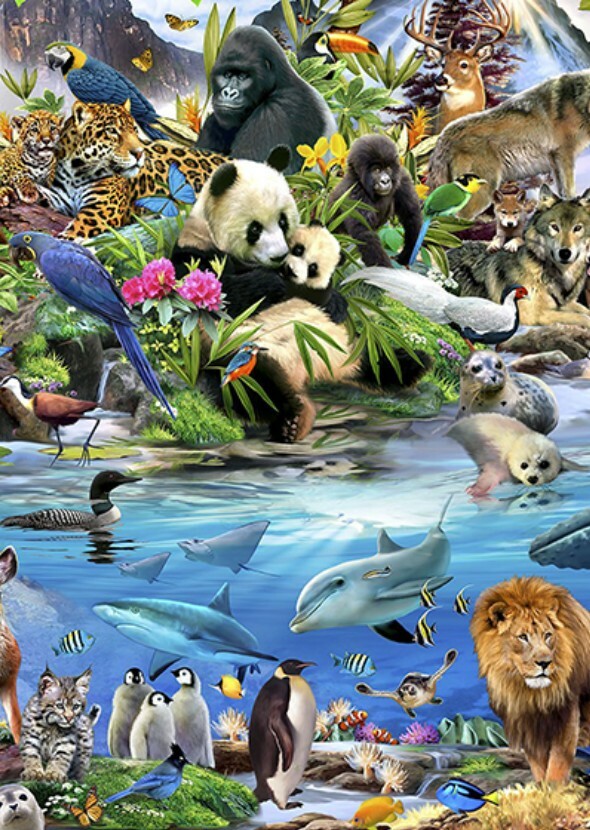
Wildlife refers to undomesticated animal species, but has come to include all organisms that grow or live wild in an area without being introduced by humans.[1] Wildlife was also synonymous to game: those birds and mammals that were hunted for sport. Wildlife can be found in all ecosystems. Deserts, plains, grasslands, woodlands, forests, and other areas, including the most developed urban areas, all have distinct forms of wildlife. While the term in popular culture usually refers to animals that are untouched by human factors, most scientists agree that much wildlife is affected by human activities.[2] Some wildlife threaten human safety, health, property, and quality of life. However, many wild animals, even the dangerous ones, have value to human beings. This value might be economic, educational, or emotional in nature.


