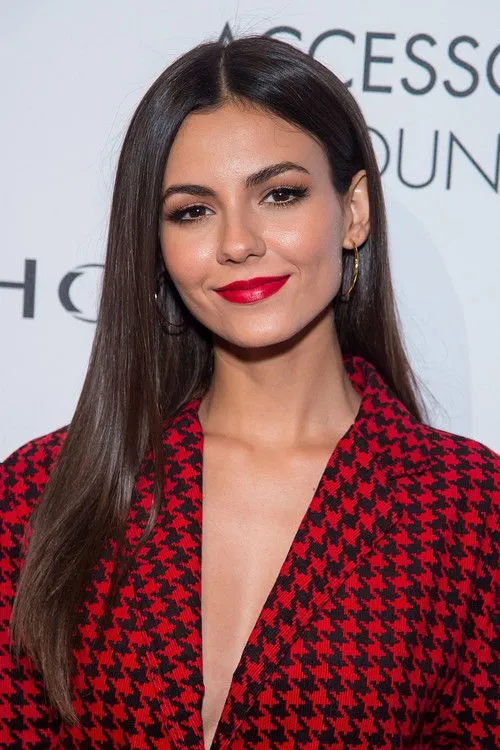
Age: 23
female
Olivia Isabel Rodrigo (born February 20, 2003) is an American singer-songwriter and actress. She began her career as a child, appearing in commercials and the direct-to-video film An American Girl: Grace Stirs Up Success (2015). She rose to prominence for her leading roles in the Disney Channel series Bizaardvark (2016–2019) and the Disney+ series High School Musical: The Musical: The Series (2019–2022). Shifting focus onto her recording career, Rodrigo signed with Geffen Records to release her 2021 single "Drivers License", which peaked at number one on the US Billboard Hot 100 for eight consecutive weeks and raised her to international prominence. That same year, she released her debut studio album, Sour, which spawned her second number-one song "Good 4 U" and the similarly successful singles "Deja Vu", "Traitor", and "Brutal". The documentary Olivia Rodrigo: Driving Home 2 U, which chronicles the creative process of Sour, was released the following year. In 2023, Rodrigo released her second studio album, Guts, supported by her third number-one song "Vampire" and the singles "Bad Idea Right?" and "Get Him Back!" Rodrigo has earned three Billboard Hot 100 number-one singles, two US Billboard 200 number-one albums, and eight songs with multi-platinum certifications from the Recording Industry Association of America (RIAA). Her accolades include three Grammy Awards, four MTV Video Music Awards, and seven Billboard Music Awards. She was recognized as Time's Entertainer of the Year in 2021, Billboard's Woman of the Year in 2022, and twice as ASCAP's Pop Music Songwriter of the Year in 2022 and 2024. Description above from the Wikipedia article Olivia Rodrigo, licensed under CC-BY-SA, full list of contributors on Wikipedia.
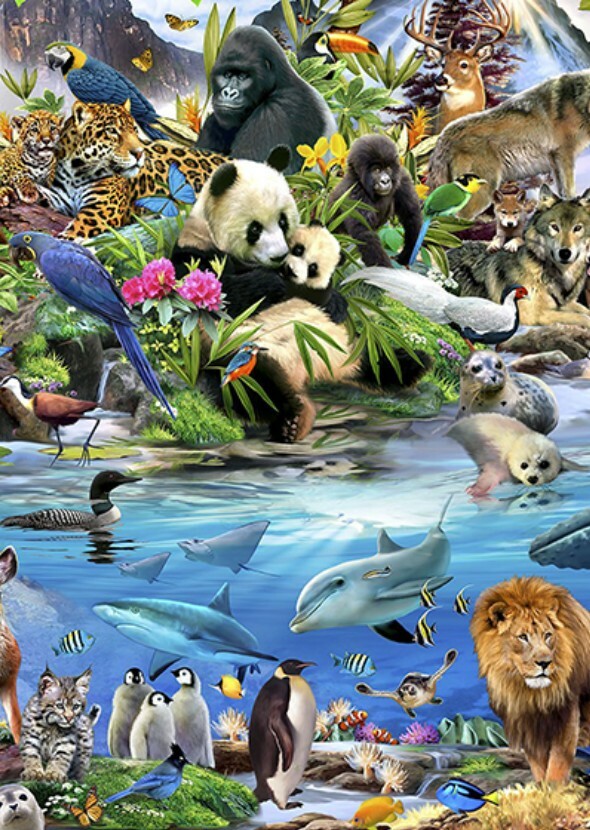
Wildlife refers to undomesticated animal species, but has come to include all organisms that grow or live wild in an area without being introduced by humans.[1] Wildlife was also synonymous to game: those birds and mammals that were hunted for sport. Wildlife can be found in all ecosystems. Deserts, plains, grasslands, woodlands, forests, and other areas, including the most developed urban areas, all have distinct forms of wildlife. While the term in popular culture usually refers to animals that are untouched by human factors, most scientists agree that much wildlife is affected by human activities.[2] Some wildlife threaten human safety, health, property, and quality of life. However, many wild animals, even the dangerous ones, have value to human beings. This value might be economic, educational, or emotional in nature.