
Jet Set Radio[a] (originally released in North America as Jet Grind Radio) is a 2000 action game developed by Smilebit and published by Sega for the Dreamcast. The player controls a member of a youth gang, the GGs, as they use inline skates to traverse Tokyo, spraying graffiti, challenging rival gangs, and evading authorities. Development was headed by director Masayoshi Kikuchi, with art by Ryuta Ueda. The team drew influence from late 1990s Japanese popular culture such as the rhythm game PaRappa the Rapper and the anti-establishment themes in the film Fight Club, and 1980s American hip hop culture such as graffiti. The environments were based on Tokyo shopping districts in Shibuya and Shinjuku, with graffiti designed by artists including Eric Haze. Jet Set Radio was the first game to use a cel-shaded art style, developed in response to the team's disappointment with the abundance of sci-fi and fantasy Sega games. Jet Set Radio received acclaim and is considered one of the better games of the decade for its graphics, soundtrack and gameplay. It won several awards and was nominated for many others. A Game Boy Advance version, developed by Vicarious Visions, was released in 2003, along with versions for Japanese mobile phones. In 2012, Jet Set Radio was rereleased for the Xbox 360, PlayStation 3, iOS, Windows, PlayStation Vita and Android. A sequel, Jet Set Radio Future, was released for the Xbox in 2002. A third Jet Set Radio game is currently in development.
Jet Set Radio

Jet Set Radio Evolution
for Jet Set Radio Evolution in Wii/Wii U
Suggested by keatoncarpenter
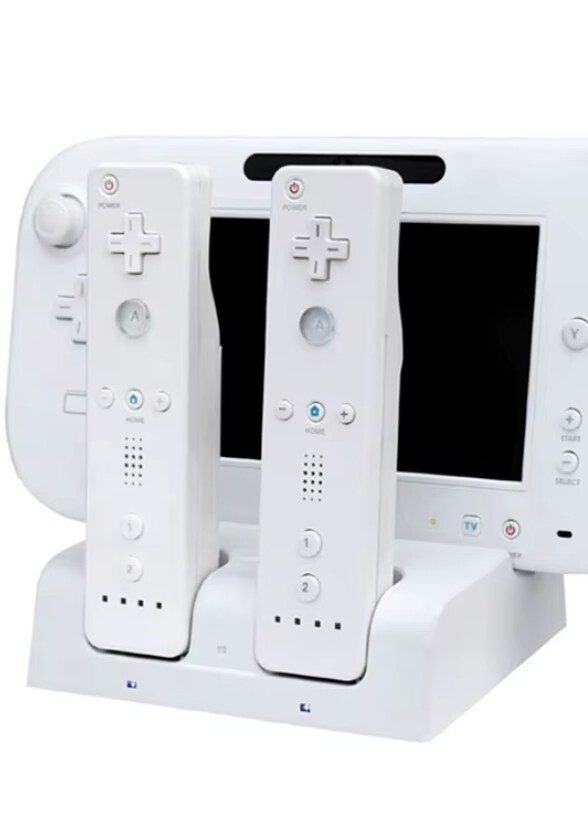
What if the Wii lasted for years before the Nintendo Switch came out, with the Wii U branded as a system upgrade, allowing for HD Gameplay, game updates, downloadable content, faster internet, DVD & Blu-Ray playback, Touchscreen connectivity with 3D, the Vitality Sensor, content from Xbox 360 and PS3 versions, DS and 3DS titles playable on the TV Screen, and of course, MORE GAMES!

