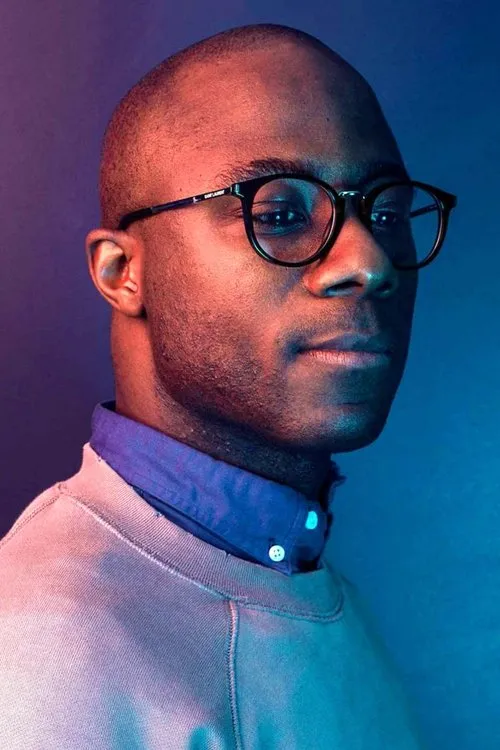
Age: 46
male
Barry Jenkins (born November 19, 1979) is an American filmmaker. After making his filmmaking debut with the short film My Josephine (2003), he directed his first feature film, Medicine for Melancholy (2008), for which he received an Independent Spirit Award nomination for Best First Feature. He is also a creative collaborator and a member of The Chopstars collective. Following an eight-year hiatus from feature filmmaking, Jenkins directed and co-wrote the LGBTQ-themed independent drama Moonlight (2016), which won numerous accolades, including the Academy Award for Best Picture. Jenkins received an Oscar nomination for Best Director and jointly won the Academy Award for Best Adapted Screenplay with Tarell Alvin McCraney. He became the fourth Black person nominated for Best Director and the second to direct a Best Picture winner. He released his third directorial feature If Beale Street Could Talk 2018, to critical praise and earned nominations for his screenplay at the Academy Awards and Golden Globes. He is also known for his work in television. In 2017, Jenkins directed "Chapter V" of the Netflix series Dear White People. In 2021, he created and directed the Amazon Video limited series The Underground Railroad, based on the novel of the same name. The series received a Primetime Emmy Award for Outstanding Directing for a Limited Series or Movie nomination and won a Peabody Award. In 2017, Jenkins was included on the annual Time 100 list of the most influential people in the world. Description above from the Wikipedia article Barry Jenkins, licensed under CC-BY-SA, full list of contributors on Wikipedia.
"Whispers of the Monticello" is a gripping and emotionally complex historical drama that shines a light on one of the most controversial and secretive relationships in American history—the deeply complicated and often hidden connection between Thomas Jefferson, the third President of the United States, and Sally Hemings, his enslaved concubine. Set against the backdrop of Jefferson’s iconic estate, Monticello, the film explores the delicate balance between the ideals of liberty and the reality of slavery. Sally Hemings, a beautiful and intelligent woman of mixed race, is thrust into Jefferson's world when she comes to Paris as a teenager, and their lives become inextricably intertwined. Their secret relationship is founded on necessity and desire, yet it is marked by immense power dynamics, societal expectations, and the unspoken tension between freedom and oppression. As the story unfolds, we witness Sally’s internal struggle as she navigates her position as an enslaved woman with a personal bond to Jefferson. For him, Sally is both a woman of intimacy and a symbol of the moral contradictions that define his legacy. The film asks difficult questions: Can Jefferson, the architect of American democracy, reconcile his pursuit of liberty with his role as a slaveholder? Can Sally, in the face of profound adversity, find autonomy, dignity, and agency?


