Died at 94
male
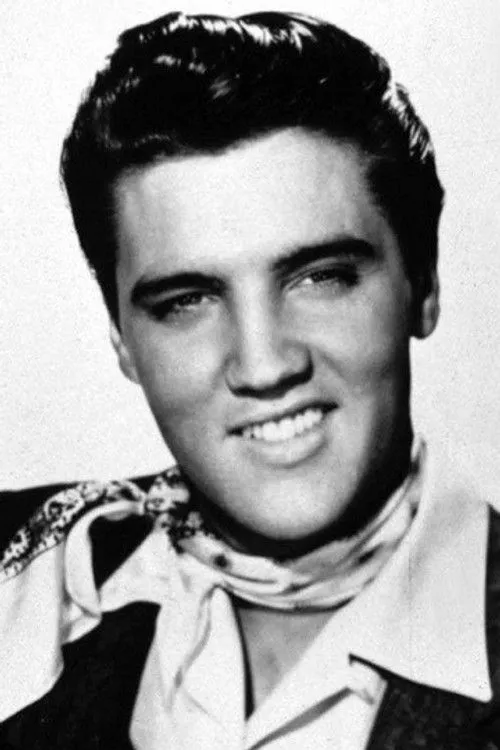
Anthony Perkins (April 4, 1932 – September 12, 1992) was an American actor and singer. He is best known for his role as Norman Bates in Alfred Hitchcock's Psycho and his Oscar-nominated role in Friendly Persuasion (1956). He made his film debut in The Actress (1953) directed by George Cukor before experiencing success on Broadway with Elia Kazan’s production of Tea and Sympathy (1955). He quickly became one of Hollywood’s biggest stars, working alongside actors such as Henry Fonda (The Tin Star), Sophia Loren (Desire Under the Elms), Shirley MacLaine (The Matchmaker), Audrey Hepburn (Green Mansions), and Gregory Peck, Fred Astaire, and Ava Gardner (On the Beach). He left Hollywood in 1960 and had a successful career in Europe, where he co-starred with Ingrid Bergman (Aimez-vous Brahms?), Melina Mercouri (Phaedra), Brigitte Bardot (Une ravissante idiote), and Romy Schneider, Jeanne Moreau, Elsa Martinelli, and Orson Welles (Le procès). He returned to Hollywood in 1968 with Pretty Poison, which became a cult classic. In the decades that followed, his career continued to flourish alongside personalities like Diana Ross (Mahogany), Jeff Goldblum (Remember My Name), Elizabeth Taylor (Winter Kills), John Candy (Double Negative), and Lauren Bacall (Murder on the Orient Express). In 1973, he co-wrote The Last of Sheila with Stephen Sondheim. During his career, he won a Golden Globe, a Cannes Award, and a David di Donatello Award, and was nominated for two Tony Awards and one Academy Award. Perkins died on September 12, 1992, of AIDS complications.
Anthony Perkins

Andrew Niemann
for Andrew Niemann in Whiplash (1954)
Suggested by bobby321
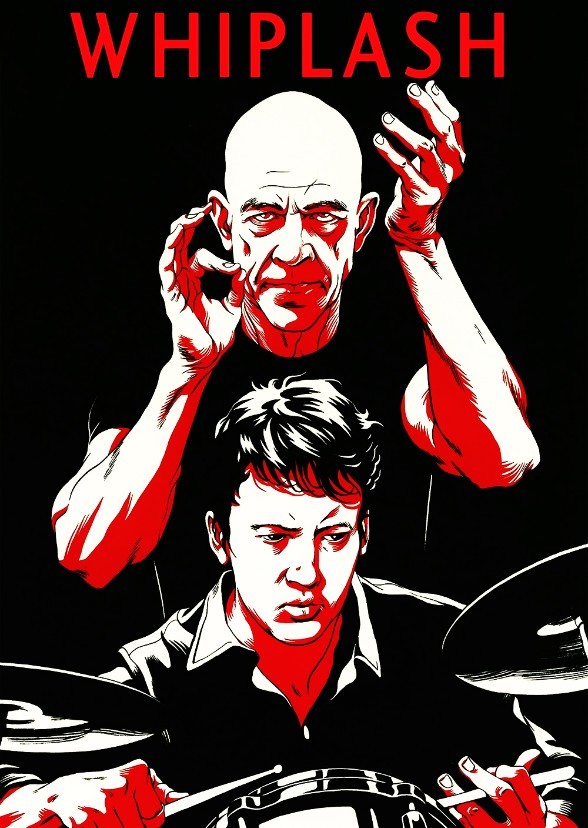
Nineteen year old Andrew Niemann wants to be the greatest jazz drummer in the world, in a league with Buddy Rich. This goal is despite not coming from a pedigree of greatest, musical or otherwise, with Jim, his high school teacher father, being a failed writer. Andrew is starting his first year at Shaffer Conservatory of Music, the best music school in the United States. At Shaffer, being the best means being accepted to study under Terence Fletcher and being asked to play in his studio band, which represents the school at jazz competitions. Based on their less than positive first meeting, Andrew is surprised that Fletcher asks him to join the band, albeit in the alternate drummer position which he is more than happy to do initially. Andrew quickly learns that Fletcher operates on fear and intimidation, never settling for what he considers less than the best each and every time. Being the best in Fletcher's mind does not only entail playing well, but knowing that you're playing well and if not what you're doing wrong. His modus operandi creates an atmosphere of fear and of every man or woman for him/herself within the band. Regardless, Andrew works hard to be the best. He has to figure out his life priorities and what he is willing to sacrifice to be the best. The other question becomes how much emotional abuse he will endure by Fletcher to reach that greatness,