
Age: 39
female
Cynthia Chinasaokwu Onyedinmanasu Amarachukwu Owezuke Echimino Erivo MBE(/əˈriːvoʊ/ ə-REE-voh; born 8 January 1987) is an British-American actress, singer, musician, and songwriter. Known for her work on both stage and screen, she is the recipient of several accolades and one of the few individuals nominated for an Emmy, a Grammy, an Oscar, and a Tony Award (EGOT), winning all but the Oscar. Erivo made her West End debut in the stage musical The Umbrellas of Cherbourg (2011), and her Broadway debut as Celie in the musical revival of The Color Purple (2015–2017). Erivo's work for The Color Purple won her the Tony Award for Best Actress in a Musical and Grammy Award for Best Musical Theater Album, as well as a Daytime Emmy Award. She expanded to films in 2018 with the crime thrillers Widows and Bad Times at the El Royale. Erivo earned nominations for the Academy Award for Best Actress for portraying Harriet Tubman in Harriet (2019) and Elphaba in Wicked (2024), as well as a nomination for Best Original Song for the song "Stand Up" from the former. For reprising her role as Elphaba in Wicked: For Good (2025), she became the first black actress to be nominated twice for Best Actress in a Motion Picture – Musical or Comedy at the Golden Globe Awards. On television, Erivo portrayed Holly Gibney in the HBO crime drama miniseries The Outsider (2020) and Aretha Franklin in National Geographic's anthology series Genius: Aretha (2021); the latter earned her a nomination for the Primetime Emmy Award for Outstanding Lead Actress in a Limited or Anthology Series or Movie. As a singer, she has released singles and two solo albums in 2021 and 2025. Description above from the Wikipedia article Cynthia Erivo, licensed under CC-BY-SA, full list of contributors on Wikipedia.
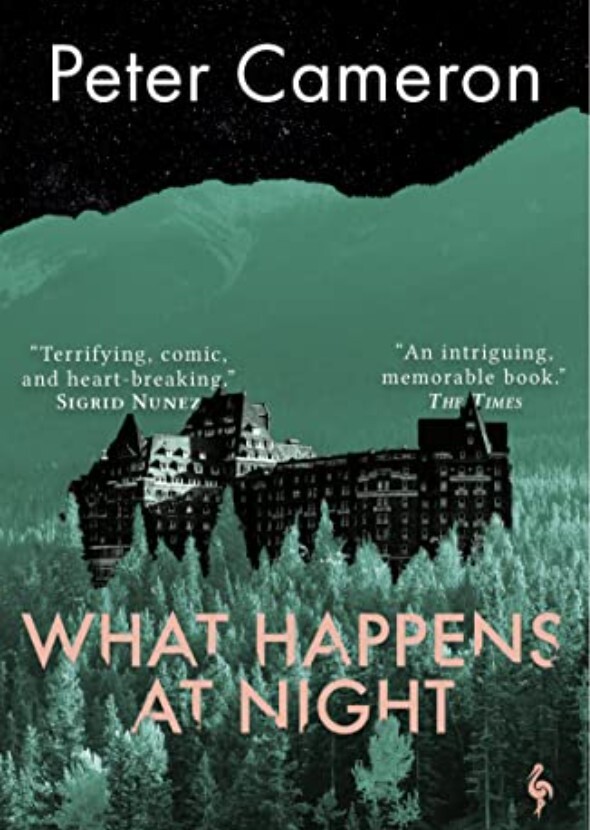
An atmospheric, suspenseful story of a couple's struggle to adopt a baby, while staying in a fading, grand European hotel. ( Barton Fink crossed with Patricia Highsmith)In this atmospheric, suspenseful novel, an American couple travels to a strange, snowy European city to adopt a baby, who they hope will resurrect their failing marriage. Their difficult journey leaves the wife, who is struggling with cancer, desperately weak, and her husband worries that her apparent illness will prevent the orphanage from releasing their child.The couple check into the cavernous and eerily deserted Borgarfjaroasysla Grand Imperial Hotel where the bar is always open, the restaurant serves thirteen-course dinners from centuries past, and the doors of the guest rooms have been salvaged from demolished opera houses. Their attempt to claim their baby is both helped and hampered by the people they an ancient, flamboyant chanteuse, a debauched businessman, an enigmatic faith healer, and a stoic bartender who dispenses an addictive, lichen-flavored schnapps. Nothing is as it seems in this mysterious, frozen world, and the longer the couple endure the punishing cold the less they seem to know about their marriage, themselves, and life itself. What Happens at Night is a "masterpiece" (Edmund White) poised on the cusp of reality, told by "an elegantly acute and mysteriously beguiling writer" (Richard Eder, The Boston Globe).


