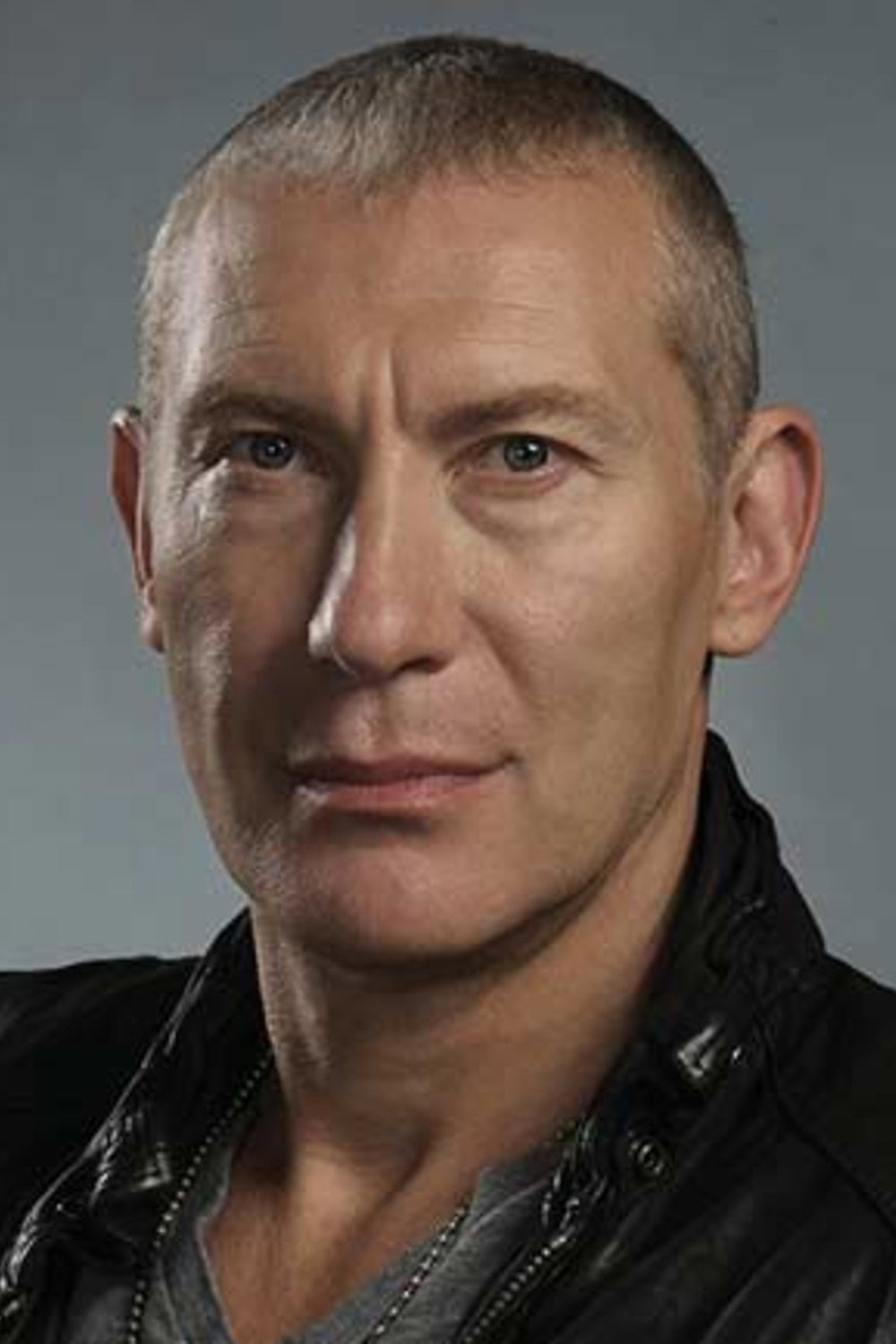
Age: 59
male
Pasha D. Lychnikoff (Russian: Павел Лычникофф) (born February 16, 1967), also credited as Pavel Lychnikoff or Pasha Lychnikoff, is aRussian television, film and theatre actor, who lives and works in the United States. Pasha D. Lychnikoff was born in Moscow, where he later received formal training at the Russian Academy of Theatre Arts (also known as GITIS from 1934 to 1991). In the early 1990s Lychnikoff moved to the United States. Since his subsequent move to Los Angeles, he has appeared in many TV-movies and -series and feature films. He is noted for his roles as the telegraph operator Blazanov in HBO'sDeadwood series and as Russian mobster Vadim Youchenko in the movie Trade. He also appears as Howard Wolowitz's Russian cosmonaut crewmate Dimitri on the popular TV series The Big Bang Theory. Lychnikoff has also made several stage appearances in Russia and the U.S. His self-written play The Shelter, which he also directed, was nominated for the Californian Ovation Award in five categories, and Lychnikoff's performance in it received positive reviews from a number of critics.
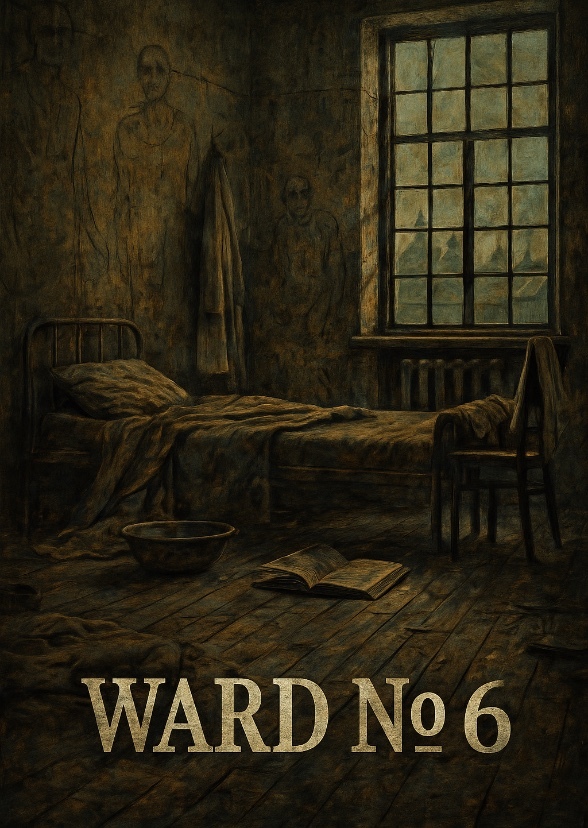
Inside a neglected asylum on the edge of a forgotten town, Ward No. 6 holds five men whose lives have been reduced to a series of routines, outbursts, and distant stares. The room is small, damp, and worn down—yet it becomes the center of a quiet, unsettling story about the thin line between sanity and despair. Among its residents are a silent giant who reacts to nothing, an old man who sings to himself as he darts between windows, and a peasant so unresponsive that even violence fails to move him. But it’s Ivan Dmitrich Gromov, a former court clerk haunted by relentless paranoia, who draws the attention of the asylum’s doctor. Dr. Andrey Yefimich, a reclusive physician lost in his books and abstract philosophies, visits Ward No. 6 out of duty—until his conversations with Ivan become the only moments he truly feels understood. Their exchanges shift from formal checkups to long, restless discussions about fear, suffering, and the meaning of human existence. As the bond deepens, the boundaries between doctor and patient blur. Andrey, who once believed suffering could be reasoned away, finds himself confronting questions he had always avoided. Ivan, a man swallowed by terror and past trauma, challenges every certainty the doctor has relied on. Around them, the asylum’s staff grows wary. When a new physician observes the unusual closeness between the two men, suspicion spreads through the institution. What begins as philosophical dialogue slowly becomes a test of perception—of who defines madness, and what happens when the one who observes begins to resemble the one observed. Ward No. 6 unfolds as an intense, atmospheric drama about isolation, compassion, and the fragile relationship between the mind and the world around it—capturing the moment when curiosity turns into involvement, and involvement becomes something far more dangerous.