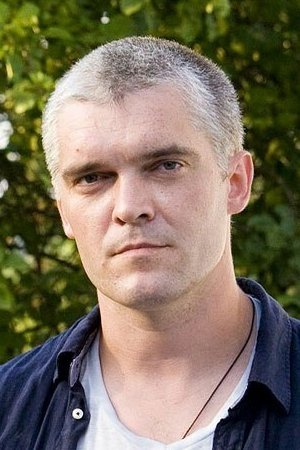
Age: 52
male
Roman Ageev (born January 17, 1974) is a prolific Russian film and theater actor, highly regarded for his rugged screen presence and versatility in portraying both high-ranking officials and complex criminal figures. Born in Polyarnye Zori, he graduated from the Saint Petersburg State Academy of Dramatic Art (class of Semyon Spivak, 1999) and has been a staple of the Youth Theatre on Fontanka for over two decades. Ageev first gained widespread recognition for his role as Alik in Sergey Bodrov Jr.'s cult film Sisters (2001). Since then, he has become one of the most recognizable faces in Russian television, starring in major hits like Chernobyl: Zone of Exclusion (as the enigmatic Derek Fletcher/Dmitry Kinyaev), Nevsky, and the detective drama Realization.
Roman Ageev

Mikhail Averyanovich
for Mikhail Averyanovich in Ward No. 6
Suggested by sepanta_kazemi
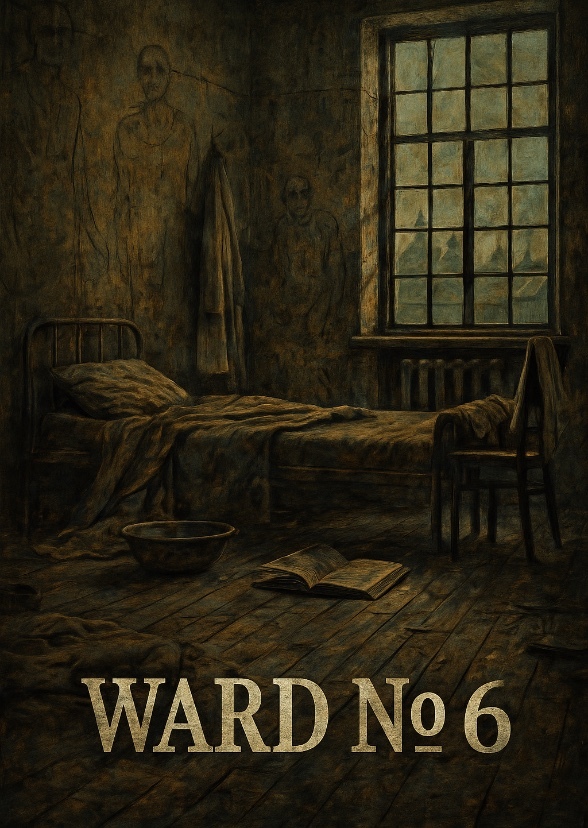
Inside a neglected asylum on the edge of a forgotten town, Ward No. 6 holds five men whose lives have been reduced to a series of routines, outbursts, and distant stares. The room is small, damp, and worn down—yet it becomes the center of a quiet, unsettling story about the thin line between sanity and despair. Among its residents are a silent giant who reacts to nothing, an old man who sings to himself as he darts between windows, and a peasant so unresponsive that even violence fails to move him. But it’s Ivan Dmitrich Gromov, a former court clerk haunted by relentless paranoia, who draws the attention of the asylum’s doctor. Dr. Andrey Yefimich, a reclusive physician lost in his books and abstract philosophies, visits Ward No. 6 out of duty—until his conversations with Ivan become the only moments he truly feels understood. Their exchanges shift from formal checkups to long, restless discussions about fear, suffering, and the meaning of human existence. As the bond deepens, the boundaries between doctor and patient blur. Andrey, who once believed suffering could be reasoned away, finds himself confronting questions he had always avoided. Ivan, a man swallowed by terror and past trauma, challenges every certainty the doctor has relied on. Around them, the asylum’s staff grows wary. When a new physician observes the unusual closeness between the two men, suspicion spreads through the institution. What begins as philosophical dialogue slowly becomes a test of perception—of who defines madness, and what happens when the one who observes begins to resemble the one observed. Ward No. 6 unfolds as an intense, atmospheric drama about isolation, compassion, and the fragile relationship between the mind and the world around it—capturing the moment when curiosity turns into involvement, and involvement becomes something far more dangerous.


