
Died at 91
male
Donald McNichol Sutherland (July 17, 1935 – June 20, 2024) was a Canadian actor whose film career spanned over 6 decades. He was nominated for eight Golden Globe Awards, winning two for his performances in the television films Citizen X (1995) and Path to War (2002); the former also earned him a Primetime Emmy Award. An inductee of the Hollywood Walk of Fame and Canadian Walk of Fame, he also received a Canadian Academy Award for the drama film Threshold (1981). Multiple film critics and media outlets have cited him as one of the best actors never to have received an Academy Award nomination. In 2017, he received an Academy Honorary Award for his contributions to cinema. In 2021, he won the Critics' Choice Television Award for Best Supporting Actor in a Movie/Miniseries for his work in the HBO miniseries The Undoing (2020). Sutherland rose to fame after starring in films including The Dirty Dozen (1967), M*A*S*H (1970), Kelly's Heroes (1970), Klute (1971), Don't Look Now (1973), Fellini's Casanova (1976), 1900 (1976), The Eagle Has Landed (1976), Animal House (1978), Invasion of the Body Snatchers (1978), Ordinary People (1980), and Eye of the Needle (1981). He later went on to star in many other films where he appeared either in leading or supporting roles such as A Dry White Season (1989), JFK (1991), Outbreak (1995), A Time to Kill (1996), The Assignment (1997), Without Limits (1998), Big Shot's Funeral (2001), The Italian Job (2003), Cold Mountain (2003), Pride & Prejudice (2005), Aurora Borealis (2006) and The Hunger Games franchise (2012–2015). He was the father of actors Kiefer Sutherland, Rossif Sutherland, and Angus Sutherland.
Donald Sutherland

Colonel Blount
for Colonel Blount in Vile Bodies
Suggested by defenestration
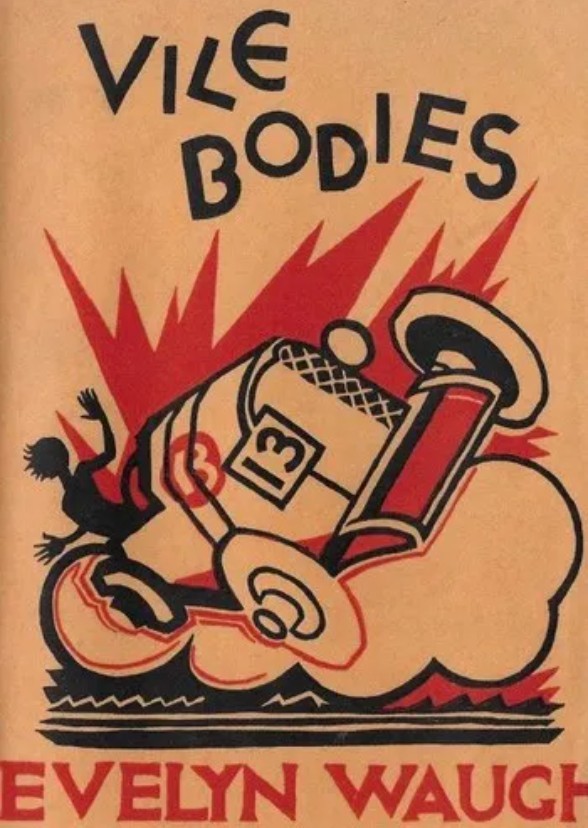
The Bright Young Things of 1920s Mayfair, with their paradoxical mix of innocence and sophistication, exercise their inventive minds and vile bodies in every kind of capricious escapade, whether it is promiscuity, dancing, cocktail parties or sports cars. A vivid assortment of characters, among them the struggling writer Adam Fenwick-Symes and the glamorous, aristocratic Nina Blount, hunt fast and furiously for ever greater sensations and the hedonistic fulfilment of their desires. Evelyn Waugh’s acidly funny and experimental satire shows a new generation emerging in the years after the First World War, revealing the darkness and vulnerability beneath the glittering surface of the high life (from goodreads).

