Died at 59
male
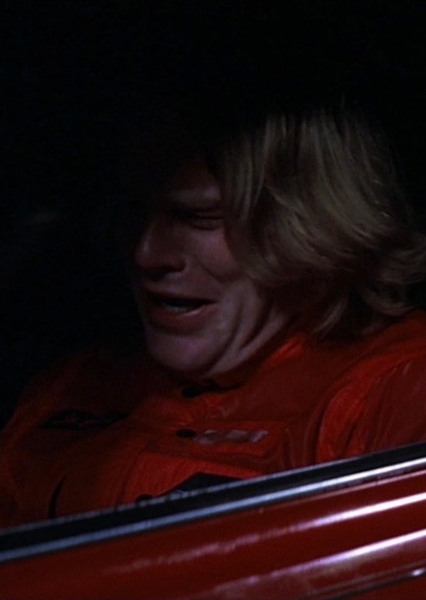
Philip Seymour Hoffman (July 23, 1967 – February 2, 2014) was an American actor, director, and producer. Best known for his distinctive supporting and character roles–typically lowlifes, eccentrics, bullies, and misfits—Hoffman acted in many films, including leading roles, from the early 1990s until his death in 2014. Drawn to theater as a teenager, Hoffman studied acting at New York University's Tisch School of the Arts. He began his screen career in a 1991 episode of Law & Order and started to appear in films in 1992. He gained recognition for his supporting work, notably in Scent of a Woman (1992), Boogie Nights (1997), Happiness (1998), Patch Adams (1998), The Big Lebowski (1998), Magnolia (1999), The Talented Mr. Ripley (1999), Almost Famous (2000), Punch-Drunk Love (2002), and Along Came Polly (2004). He began to occasionally play leading roles, and for his portrayal of the author Truman Capote in Capote (2005), won multiple accolades, including the Academy Award for Best Actor. Hoffman's profile continued to grow and he received three more Oscar nominations for his supporting work as a brutally frank CIA officer in Charlie Wilson's War (2007), a priest accused of pedophilia in Doubt (2008), and the charismatic leader of a Scientology-type movement in The Master (2012). While he mainly worked in independent films, including The Savages (2007) and Synecdoche, New York (2008), Hoffman also appeared in Flawless (1999), and Hollywood blockbusters such as Twister (1996) and Mission: Impossible III (2006), and in one of his final roles, as Plutarch Heavensbee in the Hunger Games series (2013–15). The feature Jack Goes Boating (2010) marked his debut as a filmmaker. Hoffman was also an accomplished theater actor and director. He joined the off-Broadway LAByrinth Theater Company in 1995, where he directed, produced, and appeared in numerous stage productions. His performances in three Broadway plays—True West in 2000, Long Day's Journey into Night in 2003, and Death of a Salesman in 2012—all led to Tony Award nominations.
Philip Seymour Hoffman

Quasimodo
for Quasimodo in Victor Hugo's The Hunchback of Notre-Dame (1991)
Suggested by fionnoconnor402
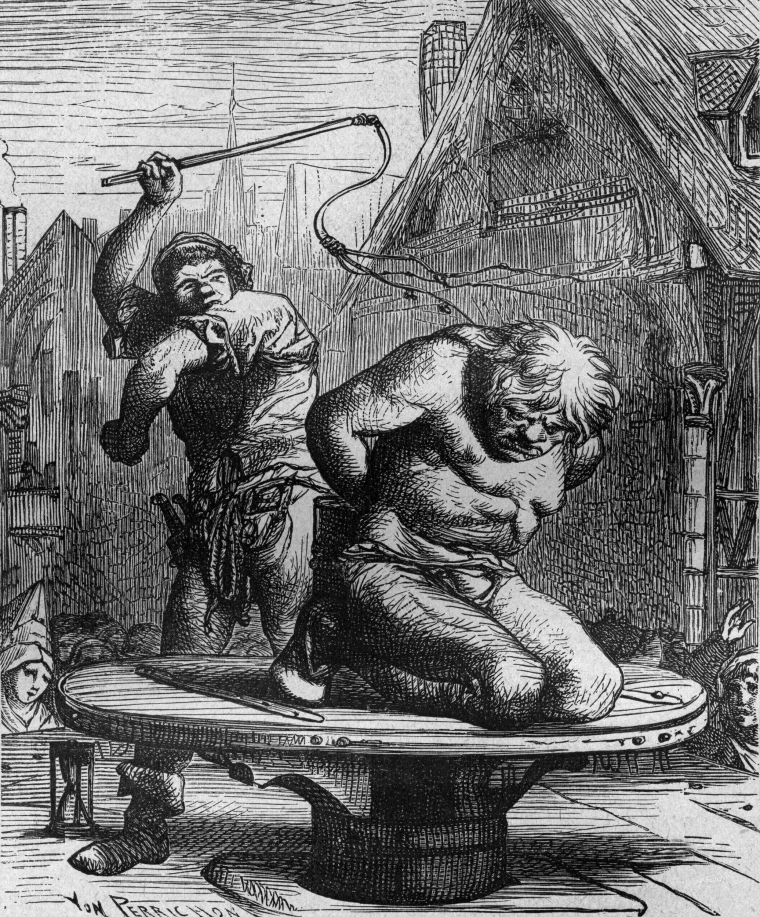
Set in 15th century Paris, this narrative revolves around Quasimodo, a misshapen bell-ringer at Notre Dame Cathedral, and his unreciprocated affection for the lovely Roma street dancer, Esmeralda. Quasimodo was brought up by the archdeacon Claude Frollo, who harbors lustful feelings for Esmeralda. When Frollo commands Quasimodo to abduct her, the hunchback is apprehended and subjected to public humiliation. Esmeralda, feeling compassion for him, offers him water while he is bound to the pillory. She captures the attention of Captain Phoebus, with whom she falls in love. Frollo, consumed by jealousy, stabs Phoebus and frames Esmeralda for the act. Consequently, she is arrested and sentenced to death. Quasimodo rescues her from the gallows and provides her refuge in the cathedral. Frollo attempts to claim her, but upon her rejection, he delivers her to face execution. As Esmeralda is escorted to the gallows, Quasimodo descends from Notre Dame and carries her back to the cathedral, temporarily shielding her under the law of sanctuary. However, a band of vagabonds led by Clopin Trouillefou assaults Notre Dame, prompting Quasimodo to defend it by hurling stones and timber at the attackers. The king's men arrive to quell the disturbance, and amidst the turmoil, Frollo manages to sneak Esmeralda out of the cathedral. Frollo makes one final effort to win Esmeralda's affection, but she spurns him once more. In a fit of rage, he turns her over to the authorities. As Esmeralda is hanged, Quasimodo retaliates by pushing Frollo from the cathedral tower to his demise. Quasimodo then vanishes, never to be seen again. Years later, when Esmeralda's tomb is opened, two intertwined skeletons are discovered—one belonging to a hunchback embracing the other.


