
Age: 80
male
Arthur Max (born May 1, 1946) is an American production designer. The native New Yorker began his career as a stage lighting designer in the music industry following graduation from New York University in the late 1960s. Those assignments included work at Bill Graham's famous music venue The Fillmore East in New York's East Village, and the historic Woodstock Festival of 1969. During the following decade, he designed concert lighting and festival stages for many rock and jazz artists. He was Pink Floyd's lighting designer during the bands' tours in the US and worldwide in the early-1970s. After studying architecture in England (earning degrees in the early-1980s from the Polytechnic of Central London and the Royal College of Art), Max went on to do several architectural design projects in London including an award-winning lighting design for the stage of St John's Concert Hall, a former 18th Century church in the centre of Smith Square, Westminster, London. He entered the British film industry as an assistant to several English production designers. First for Stuart Craig on Hugh Hudson's "Greystoke: The Legend of Tarzan, Lord of the Apes" and "Cal" (both 1984), then for Ashetton Gorton on Hudson's "Revolution" the following year. He commenced his own production design career in TV commercials for ten years from 1985 to 1995 (for such clients as Pepsi, Nike, Jeep, Coke and Levi's), which led to his ongoing associations with directors Scott and Fincher.
Arthur Max

Production Designer
for Production Designer in Batman: Penance
Suggested by avp_goat
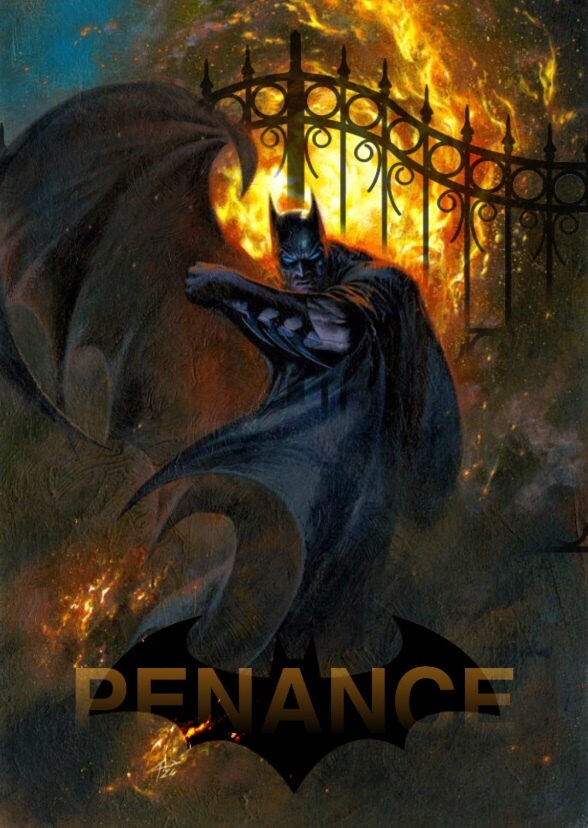
Following the death of two of his closest allies, Bruce Wayne has gone into self-isolation, only operating as Batman in Gotham during the night. Over the years, Batman has caught the attention of Professor Hugo Strange, a psychiatrist at Arkham Asylum. Attempting to study the mind of the Bat, Hugo works with the inmates of Arkham to take over the asylum, drawing in Batman right where they want him. Bruce is forced to fight his own past demons, and begins to question if he really is as much of a monster as the villains locked away in Arkham.

