Age: 66
male
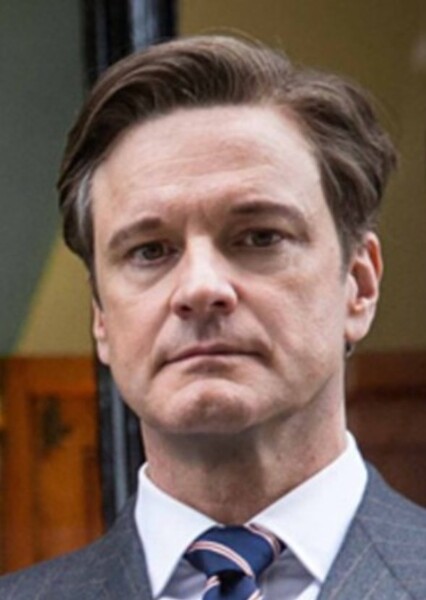
Colin Andrew Firth (born 10 September 1960) is an English actor and producer. He is the recipient of several accolades, including an Academy Award, two BAFTA Awards, and a Golden Globe Award, as well as nominations for two Primetime Emmy Awards. In 2011, Firth was appointed a CBE for his services to drama, and appeared in Time magazine's 100 most influential people in the world. Identified in the mid-1980s with the "Brit Pack" of rising young British actors, he had leading roles in A Month in the Country (1987), Tumbledown(1988) and Valmont (1989). His portrayal of Mr Darcy in the 1995 television adaptation of Jane Austen's Pride and Prejudice drew widespread attention. It led to roles in more prominent films such as The English Patient (1996), Shakespeare in Love (1998), The Importance of Being Earnest (2002), and Love Actually (2003). He starred as Mark Darcy in the Bridget Jones film series (2001–2025). Also, he acted in the musical comedy Mamma Mia! (2008) and its 2018 sequel. Firth won the Academy Award for Best Actor for his portrayal of King George VI in the historical drama The King's Speech (2010). He was previously Oscar-nominated for his role as a grieving gay man in the romantic drama A Single Man (2009), which earned him the BAFTA Award and the Volpi Cup for Best Actor. He subsequently played secret agent Harry Hart in Kingsman: The Secret Service (2014) and its 2017 sequel. He also performed in films such as Tinker Tailor Soldier Spy (2011), Mary Poppins Returns (2018), 1917 (2019), The Secret Garden, Supernova (both 2020), and Operation Mincemeat (2021). For his roles on television, he received Primetime Emmy Award nominations for his portrayals of Dr. Wilhelm Stuckart in the BBC film Conspiracy (2001) and Michael Peterson in the HBO limited series The Staircase (2022). In 2012, he founded the production company Raindog Films, under which he served as a producer for Eye in the Sky (2015) and Loving (2016). His films have grossed more than $3 billion from 42 releases worldwide. Firth has campaigned for the rights of Indigenous people and is a member of Survival International. He has also campaigned on issues such as asylum seekers, refugees' rights, and the environment. He commissioned and co-authored a scientific paper on differences in brain structure between people with different political orientations. Description above from the Wikipedia article Colin Firth, licensed under CC-BY-SA, full list of contributors on Wikipedia.
Colin Firth
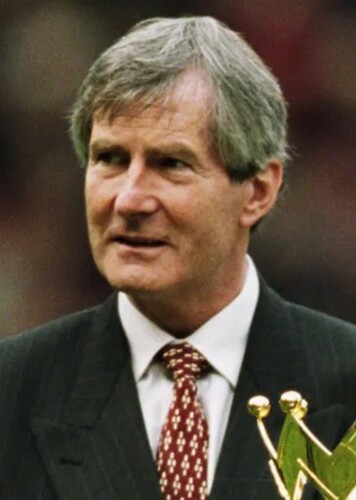
Martin Edwards
for Martin Edwards in UNITED: Youth, Courage, Success (2028-)
Suggested by bencasting
Manchester United have reportedly agreed a deal with North American production company Lionsgate for the creation of a drama series based on the history of the club. Here's my take on what it could look like: Series 1: The origins of a club with working-class roots, from Newton Heath’s survival, the birth of Manchester United and the move to old trafford, through the World Wars ars and relegation and financial struggles to stay afloat. Matt Busby and the Busby Babes setting the standard in English football until the shocking tragedy of the Munich air disaster. Series 2: Busby rebuilds a grieving club almost from scratch, culminating in European glory. When he finally retires, United drift through a series of managers, trapped between past expectations and present failures, culminating in a shocking relegation. Series 3: Ron Atkinson restores some success. Alex Ferguson arrives from Aberdeen, imposing discipline and authority. A faltering start nearly costs him his job, but an FA Cup win gives the him a lifeline. Series 4: A young generation emerges, reshaping the club’s future. By the mid-90s, Ferguson’s team dominate England again, building toward one extraordinary night in Barcelona in 1999. Series 5: United are a British football institution, but off the pitch turbulence mounts. Ferguson contemplates retirement, legal battles and boardroom disputes erupt, a racehorse conspiracy causes chaos, and high-profile fallouts shake the squad. The Glazer familys’ leveraged takeover causes mass fan protests. Series 6: United remain a global powerhouse. Ferguson battles rivals Wenger and Mourinho while rebuilding the squad. European glory returns in 2008, City’s rise challenges the football established order, and Ferguson claims a final Premier League title in 2013 before preparing his successor, David Moyes. Series 7: The post-Ferguson era begins.