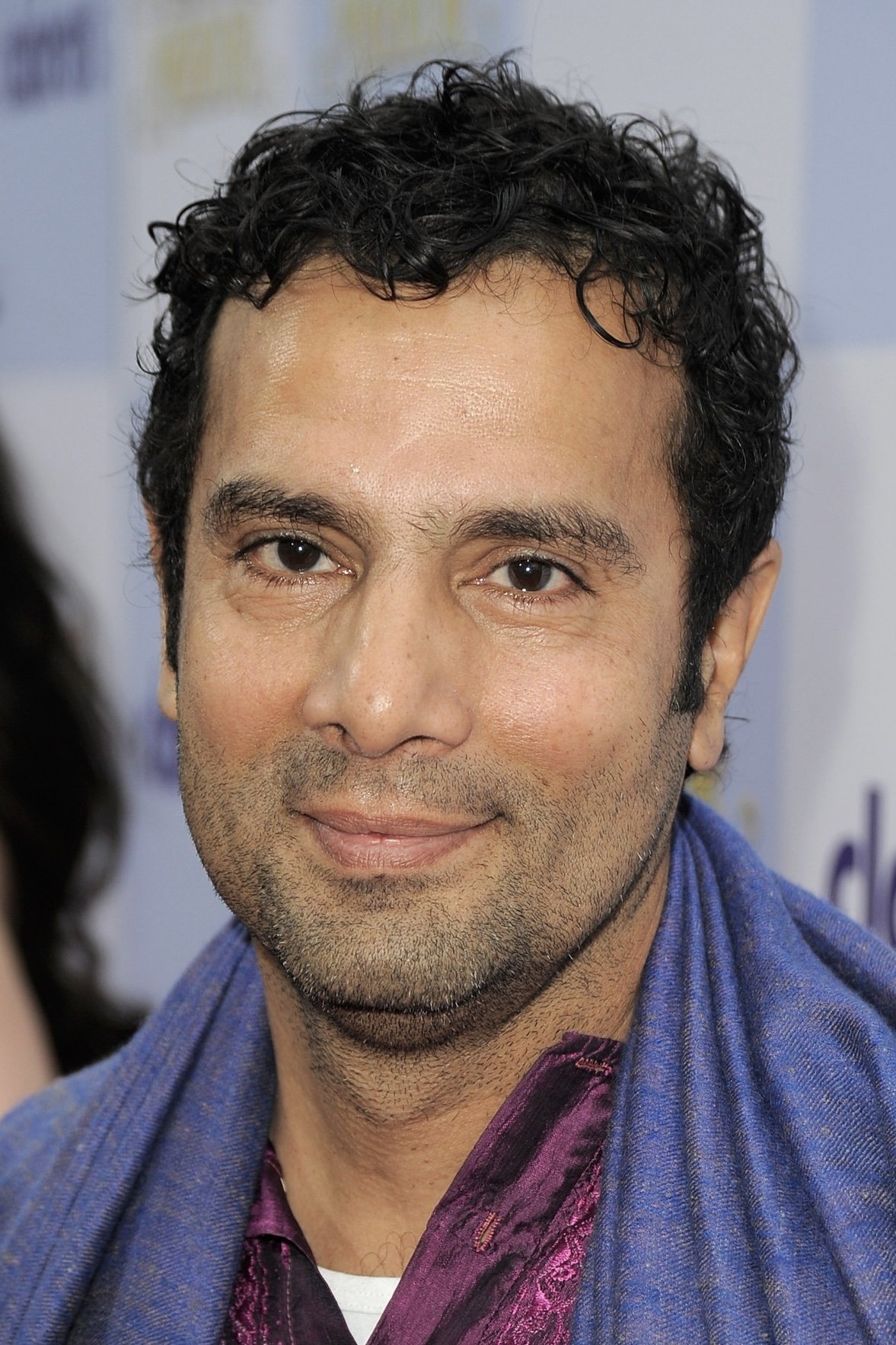
Age: 65
male
Tarsem Singh Dhandwar, known professionally as Tarsem, is an Indian director who has worked on films, music videos, and commercials. Tarsem was born in Jalandhar, Punjab to a Punjabi Sikh family. His father was an aircraft engineer. He is a graduate of the Art Center College of Design in Pasadena, California. Tarsem began his career directing music videos, including those of "Hold On" by En Vogue, "Sweet Lullaby" by Deep Forest and R.E.M.'s smash hit "Losing My Religion", the latter of which won Best Video of the Year at the 1991 MTV Video Music Awards. He has directed dozens of commercials for brands such as Nike and Coca-Cola. Tarsem's feature film directorial debut was The Cell (2000), starring Jennifer Lopez. In 2003, Tarsem directed one of the most elaborate Pepsi commercials to date. It combined a gladiator theme with Queen's "We Will Rock You". The commercial starred Enrique Iglesias in the version of the commercial aired in Europe and North America and Amr Diab in the version aired in the Arab world. Tarsem's second film, The Fall, debuted at the 2006 Toronto International Film Festival and was released theatrically in the United States in 2008. His third film was 2011's Immortals. He directed an adaptation of the Brothers Grimm story of "Snow White", called Mirror Mirror (2012).

Twelfth Night, or What You Will is a romantic comedy by William Shakespeare that is believed to have been written around 1601–1602 as a Twelfth Night entertainment for the close of the Christmas season. The play centres on the twins Viola and Sebastian, who are separated in a shipwreck. Viola (who is disguised as Cesario) falls in love with the Duke Orsino, who in turn is in love with Countess Olivia. Upon meeting Viola, Countess Olivia falls in love with her thinking she is a man. The play expanded on the musical interludes and riotous disorder expected of the occasion,[1] with plot elements drawn from the short story "Of Apollonius and Silla" by Barnabe Rich, based on a story by Matteo Bandello. The first documented public performance was on 2 February 1602, at Candlemas, the formal end of Christmastide in the year's calendar. The play was not published until its inclusion in the 1623 First Folio.