
Age: 75
male
Michael John Douglas (born September 5, 1951), known professionally as Michael Keaton, is an American actor. He has received numerous accolades, including a Primetime Emmy Award and two Golden Globe Awards, in addition to nominations for an Academy Award and a BAFTA Award. In 2016, he was named Officer of the Order of Arts and Letters in France. Keaton gained early recognition for his comedic roles in Night Shift (1982), Mr. Mom (1983), and Beetlejuice (1988). He gained wider stardom portraying the title superhero in Batman (1989) and Batman Returns (1992). He took roles in Clean and Sober (1988), Much Ado About Nothing (1993), The Paper (1994), Multiplicity (1996), Jackie Brown (1997), Jack Frost (1998), Herbie: Fully Loaded (2005), and The Other Guys (2010). He also performed voice roles in the animated films Cars (2006), Toy Story 3 (2010), and Minions (2015). Keaton experienced a career resurgence after taking a starring role as a faded actor attempting a comeback in Alejandro González Iñárritu's Birdman (2014), for which he won a Golden Globe Award for Best Actor and a nomination for the Academy Award for Best Actor. He has since acted in biographical dramas such as Spotlight (2015), The Founder (2016), The Trial of the Chicago 7 (2020), and Worth (2021). He portrayed the Vulture in Spider-Man: Homecoming (2017), while also reprising his roles as Batman in The Flash (2023) and the title role in Beetlejuice Beetlejuice (2024). Keaton starred as a journalist in the HBO film Live from Baghdad (2002). He portrayed a drug-addicted doctor in the Hulu limited series Dopesick (2021), for which he won a Primetime Emmy Award and Golden Globe Award for Best Actor. Keaton directed the films The Merry Gentleman (2008) and Knox Goes Away (2023), in which he also played the starring role.
Michael Keaton

Bruce Wayne / Batman
for Bruce Wayne / Batman in Tim Burton's Batman 3: Man-Bat
Suggested by kaueoliveira
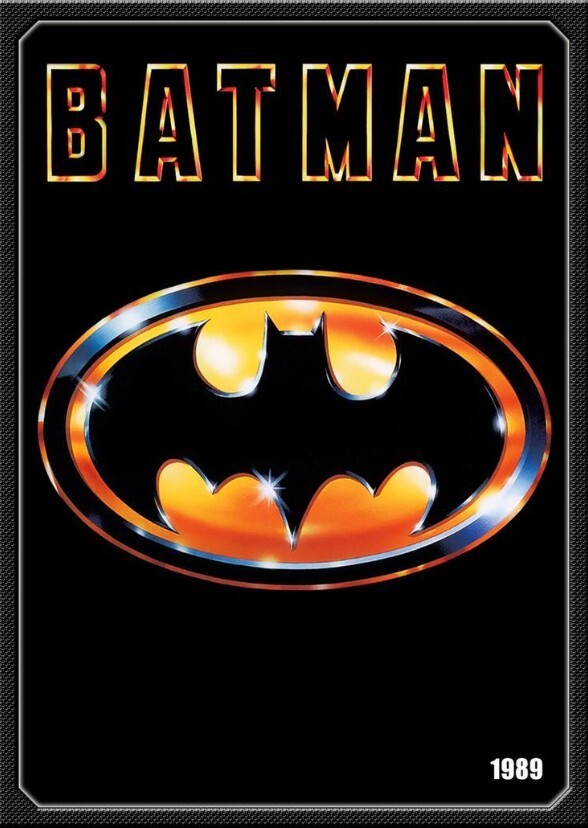
"Batman 3: Man-Bat" is conceived as a gothic horror tragedy in the signature style of Tim Burton, focusing on the dark, psychological duality between man and beast, much like the treatment of Catwoman and Penguin in Returns. The film introduces Dr. Kirk Langstrom, a brilliant but socially awkward zoologist at the crumbling Gotham Museum of Natural History. Obsessed with the science of echolocation and determined to find a cure for his own impending hearing loss, Kirk secretly develops an unstable serum derived from bat-glandular extract. When he tests it on himself, the result is a catastrophic, grotesque transformation: he becomes a hulking, chiropteran monster—Man-Bat. The creature’s emergence terrorizes Gotham not as a criminal, but as a tragic, primal force of nature, driven by the serum's bestial rage and a distorted need to "cure" the world's perceived sickness. Batman is forced into a morally complex hunt for the creature. This film forces Bruce Wayne to confront the literal monstrous nature of his own self-chosen bat symbol. The climax is an agonizing, expressionistic fight atop the Gotham Museum, where Batman must choose between destroying the monster or finding the antidote to save the tormented man beneath the wings, ultimately exploring the thin, terrifying line between Bruce's carefully controlled symbol and Langstrom's uncontrolled biological horror.

