
Age: 63
male
Michael Chabon (/ˈʃeɪbɒn/ SHAY-bon; born May 24, 1963) is an American novelist, screenwriter, columnist, and short story writer. Born in Washington, D.C., he studied at Carnegie Mellon University for one year before transferring to the University of Pittsburgh, graduating in 1984. He subsequently received a Master of Fine Arts in creative writing from the University of California, Irvine. Chabon's first novel, The Mysteries of Pittsburgh (1988), was published when he was 24. He followed it with Wonder Boys (1995) and two short-story collections. In 2000, he published The Amazing Adventures of Kavalier & Clay, awarded the Pulitzer Prize for Fiction in 2001; John Leonard described it as Chabon's magnum opus. His novel The Yiddish Policemen's Union, an alternate history mystery novel, was published in 2007 and won the Hugo, Sidewise, Nebula and Ignotus awards; his serialized novel Gentlemen of the Road appeared in book form in the fall of the same year. In 2012, Chabon published Telegraph Avenue, billed as "a twenty-first century Middlemarch", concerning the tangled lives of two families in the San Francisco Bay Area in 2004. He followed Telegraph Avenue in November 2016 with his latest novel, Moonglow, a fictionalized memoir of his maternal grandfather, based on his deathbed confessions under the influence of powerful painkillers in Chabon's mother's California home in 1989. Chabon's work is characterized by complex language, and the frequent use of metaphor along with recurring themes such as nostalgia, divorce, abandonment, fatherhood, and most notably issues of Jewish identity. He often includes gay, bisexual, and Jewish characters in his work. Since the late 1990s, he has written in increasingly diverse styles for varied outlets; he is a notable defender of the merits of genre fiction and plot-driven fiction, and, along with novels, has published screenplays, children's books, comics, and newspaper serials. Source: Article "Michael Chabon" from Wikipedia in English, licensed under CC-BY-SA 3.0.
Michael Chabon

Writer
for Writer in This is How You Lose the Time War
Suggested by paulbogen
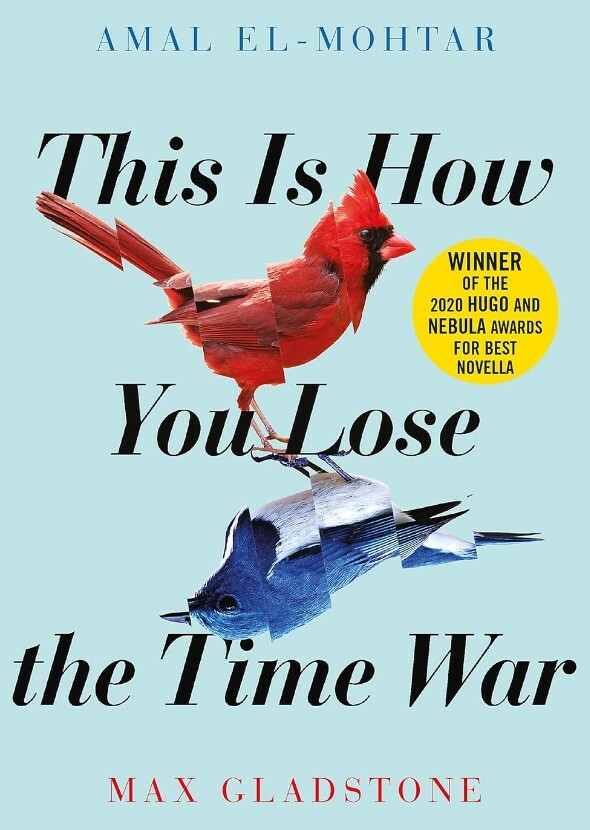
As agents Red and Blue travel back and forth through time, altering the history of multiple universes on behalf of their warring empires, they leave each other secret messages — at first taunting, but gradually developing into flirtation then love. When Red's commanding officer detects the interaction between Red and Blue, she forces Red to send Blue a message that will kill Blue when it is read — even though she is warned of the danger, Blue reads the message anyway. After Blue is killed, Red time-travels to Blue's childhood to give her immunity to the poisoned message, which allows her to survive. This incident is discovered and Red is arrested by her own empire; Blue is then able to help facilitate Red's escape from jail and it is implied that they both are able to be free.

