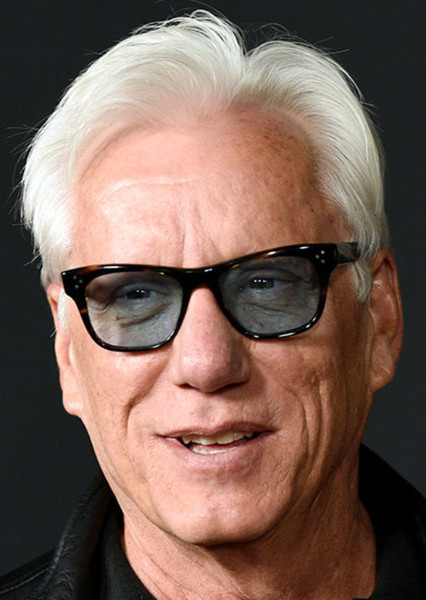
Age: 79
male
James Howard Woods (born April 18, 1947) is an American actor. He is known for starring in films such as Once Upon a Time in America, Salvador, Nixon, Ghosts of Mississippi, Casino, and Hercules, as well as in the television legal drama Shark. He has won two Emmy Awards, and earned two Academy Award nominations. He started his career in minor roles on and off-Broadway before making his Broadway debut in The Penny Wars (1969), followed by Borstal Boy (1970), The Trial of the Catonsville Nine (1971) and Moonchildren (1972). Woods' early film roles include The Visitors (1972), The Way We Were (1973) and The Gambler (1974). He starred in the NBC miniseries Holocaust (1978) opposite Meryl Streep. He rose to prominence portraying Gregory Powell in The Onion Field (1979). He earned two Academy Awards nominations: one for Best Actor for his role as journalist Richard Boyle in Salvador (1986) and for Best Supporting Actor for playing white supremacist Byron De La Beckwith in Ghosts of Mississippi (1996). Notable film roles include Videodrome (1983), Once Upon a Time in America (1984), Immediate Family (1989), The Hard Way (1991), Chaplin (1992), The Specialist (1994), Casino (1995), Contact (1997), Another Day in Paradise (1998), The Virgin Suicides (1999) and Jobs (2013). He served as an executive producer on Christopher Nolan's biographical drama film Oppenheimer (2023). For his television roles, he is the recipient of two Primetime Emmy Awards for Outstanding Lead Actor in a Limited Series or Movie for portraying as D.J. in the CBS movie Promise (1987) and Bill W. in the ABC film My Name Is Bill W. (1989). He has also played Roy Cohn in Citizen Cohn (1992) and Dick Fuld in Too Big to Fail (2011). He starred in the CBS legal series Shark (2006–2008), and had a recurring role in the Showtime crime series Ray Donovan (2013). He has voiced roles for Hercules (1997), Recess: School's Out (2001), Stuart Little 2 (2002), the videogame Grand Theft Auto: San Andreas (2004) and Surf's Up (2007), as well as voicing himself once in The Simpsons (1993), and several times in Family Guy (2005–2016).
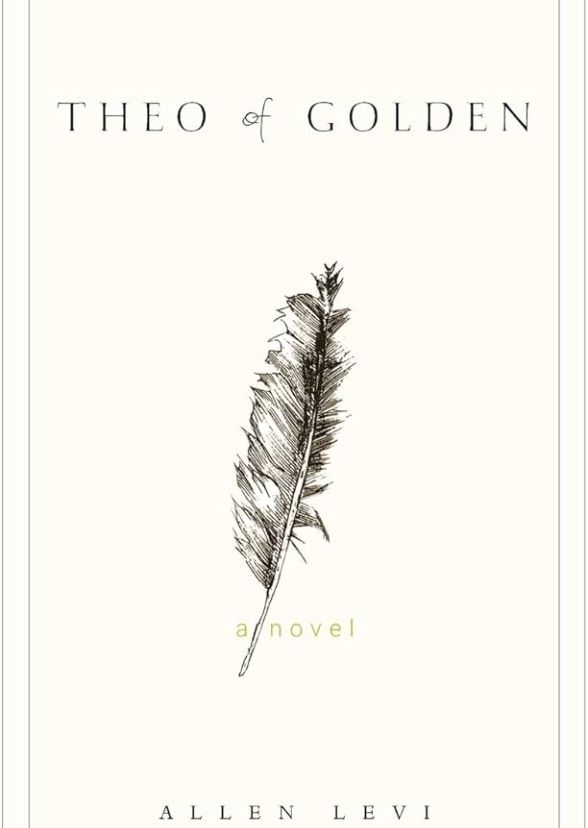
One spring morning, a stranger arrives in the small southern city of Golden. No one knows where he has come from…or why… His name is Theo. And he asks a lot more questions than he answers. Theo visits the local coffeehouse, where ninety-two pencil portraits hang on the walls, portraits of the people of Golden done by a local artist. He begins purchasing them, one at a time, and putting them back in the hands of their “rightful owners.” With each exchange, a story is told, a friendship born, and a life altered. A story of giving and receiving, of seeing and being seen, Theo of Golden is a beautifully crafted novel about the power of creative generosity, the importance of wonder to a purposeful life, and the invisible threads of kindness that bind us to one another.




