
Age: 43
female
Gugulethu Sophia Mbatha-Raw, MBE (/ˈɡuːɡuːəmˈbætərɔː/; born 21 April 1983) is a British actress. She began acting at the National Youth Music Theatre and the Royal Academy of Dramatic Art. She gained acclaim for her roles as Juliet in Romeo and Juliet and Octavia in Anthony and Cleopatra in 2005 at the Royal Exchange Theatre, Manchester. She made her West End and Broadway debut, portraying Ophelia in Hamlet in 2009. For her role as the titular character in Jessica Swale's 2015 play Nell Gwynn, she received an Evening Standard Theatre Award for Best Actress nomination. Her early television roles include Doctor Who(2007), the NBC series Undercovers (2010), and FOX's Touch (2012). She had her breakthrough with the British period drama film Belle (2013), for which she won the BIFA for Best Actress. After roles in the films Beyond the Lights (2014) and Miss Sloane (2016), she co-starred in the Emmy Award-winning Black Mirror episode "San Junipero" (2016), for which she received acclaim. Her other film roles include Beauty and the Beast (2017), A Wrinkle in Time (2018), Motherless Brooklyn (2019), Misbehaviour (2020), and Summerland (2020). She has also acted in the Apple TV+ drama series The Morning Show (2019) and the Disney+ series Loki (2021–present). In 2017, Mbatha-Raw was appointed Member of the Order of the British Empire (MBE) by Queen Elizabeth II for services to drama. In February 2021, Mbatha-Raw was appointed a global Goodwill Ambassador for the United Nations High Commissioner for Refugees (UNHCR). Description above from the Wikipedia article Gugu Mbatha-Raw, licensed under CC-BY-SA, full list of contributors on Wikipedia.
Gugu Mbatha-Raw

Merytamen
for Merytamen in The Woman Who Would Be King
Suggested by mkdirector
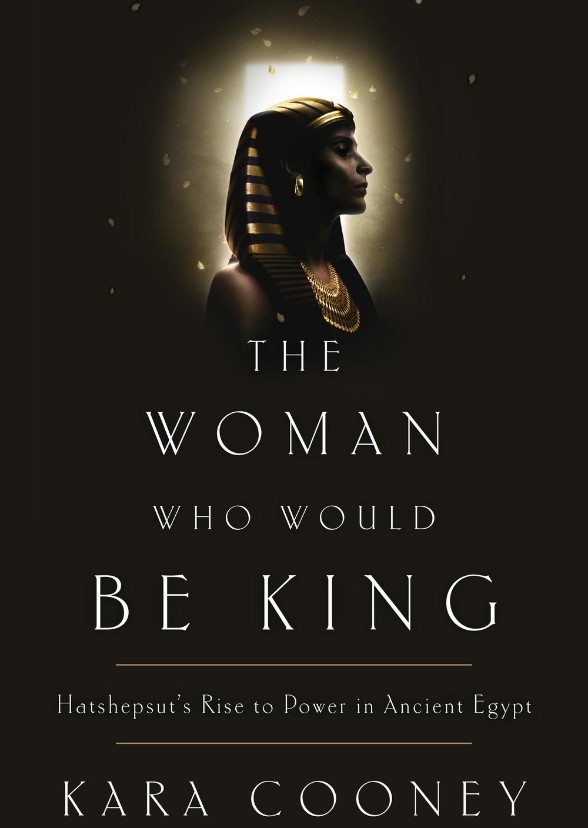
Hatshepsut—the daughter of a general who usurps Egypt’s throne—is expected to bear the sons who would legitimize the reign of her father’s family. Her failure to produce a male heir, however, paves the way for her improbable rule as a cross-dressing king. At just over twenty, Hatshepsut out-maneuvers the mother of Thutmose III, the infant king, for a seat on the throne, and ascends to the rank of Pharaoh. Shrewdly operating the levers of power to emerge as Egypt’s second female pharaoh, Hatshepsut becomes a master strategist, cloaking her political power plays in the veil of piety and sexual reinvention. She successfully negotiates a path from the royal nursery to the very pinnacle of authority, and her reign sees one of Ancient Egypt’s most prolific glorious periods.

