
Age: 41
female
Freida Selena Pinto (born 18 October 1984) is an Indian actress who has appeared mainly in American and British films. Born and raised in Mumbai, Maharashtra, she resolved at a young age to become an actress. As a student at St. Xavier's College, Mumbai, she took part in amateur plays. After graduation, she briefly worked as a model and then as a television presenter. Pinto rose to prominence with her film debut in the drama Slumdog Millionaire (2008), winning a SAG Award and earning a nomination for the BAFTA Award for Best Supporting Actress. She earned critical acclaim for her roles in Miral (2010), Trishna (2011), and Desert Dancer (2014). She also saw commercial success with the science fiction film Rise of the Planet of the Apes (2011), and the epic fantasy action film Immortals (2011). Pinto's other notable roles include You Will Meet a Tall Dark Stranger (2010), Love Sonia (2018), Hillbilly Elegy (2020), and Mr. Malcolm's List (2022). She also starred in the Showtime miniseries Guerrilla (2017), and had a recurring role in the Hulu series The Path (2018). Although the Indian press has credited Pinto with breaking the stereotypical image of an Indian woman in foreign films, she has been a lesser-known figure in Indian cinema and has rarely been featured in prominent productions in India. Along with her film career, she promotes humanitarian causes and is vocal about women's empowerment. Description above from the Wikipedia article Freida Pinto, licensed under CC-BY-SA, full list of contributors on Wikipedia.
Freida Pinto

Hatshepsut
for Hatshepsut in The Woman Who Would Be King
Suggested by tddaly98
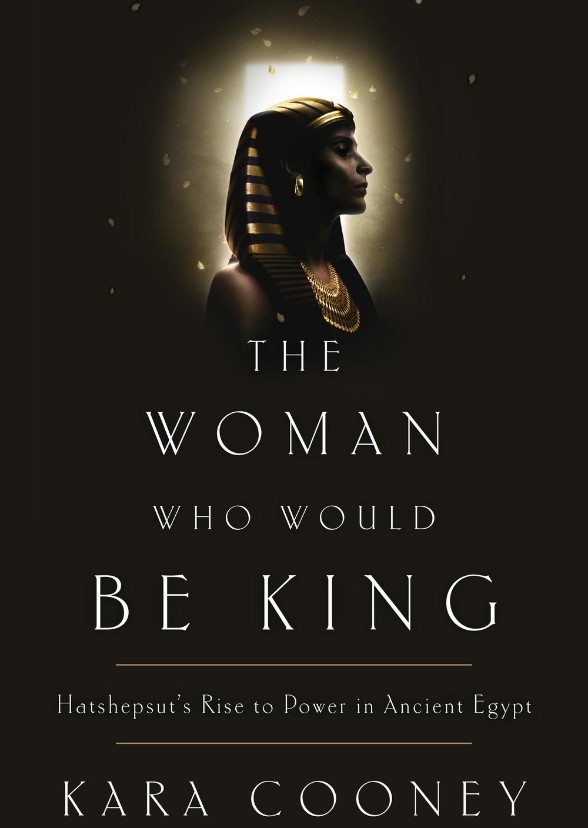
Hatshepsut—the daughter of a general who usurps Egypt’s throne—is expected to bear the sons who would legitimize the reign of her father’s family. Her failure to produce a male heir, however, paves the way for her improbable rule as a cross-dressing king. At just over twenty, Hatshepsut out-maneuvers the mother of Thutmose III, the infant king, for a seat on the throne, and ascends to the rank of Pharaoh. Shrewdly operating the levers of power to emerge as Egypt’s second female pharaoh, Hatshepsut becomes a master strategist, cloaking her political power plays in the veil of piety and sexual reinvention. She successfully negotiates a path from the royal nursery to the very pinnacle of authority, and her reign sees one of Ancient Egypt’s most prolific glorious periods.




