
Age: 50
male
David Oyetokunbo Oyelowo (/oʊˈjɛloʊwoʊ/ oh-YEL-oh-woh; Yoruba pronunciation; born 1 April 1976) is a British actor, director and producer. His accolades include a Critics' Choice Award, two NAACP Image Awards, and nominations for three Golden Globe Awards, two Primetime Emmy Awards, a Screen Actors Guild Award, and a BAFTA Award. In 2016, he was appointed as an officer of the Order of the British Empire (OBE) for his services to drama. Oyelowo rose to prominence for portraying Martin Luther King Jr. in the biographical drama Selma (2014) and Peter Snowden in the HBO film Nightingale (2014), which garnered him critical acclaim. He also achieved praise for his roles as Louis Gaines in The Butler (2013), Seretse Khama in A United Kingdom (2016) and Robert Katende in Queen of Katwe (2016). He has also played supporting roles in the films Rise of the Planet of the Apes (2011), The Help (2011), Lincoln (2012), Red Tails (2012), and Jack Reacher (2012). On television, Oyelowo has played MI5 officer Danny Hunter in the British drama series Spooks (2002–2004) and Javert in the BBC miniseries Les Misérables (2018). He also provided the voice for Agent Alexsandr Kallus in the Lucasfilm Animation series Star Wars Rebels (2014–2018) and Holston Becker in the Apple+ drama series Silo. He stars in and co-produces the 2023 Paramount+ western series Lawmen: Bass Reeves. Description above from the Wikipedia article David Oyelowo, licensed under CC-BY-SA, full list of contributors on Wikipedia.
David Oyelowo

Amenhotep
for Amenhotep in The Woman Who Would Be King
Suggested by mkdirector
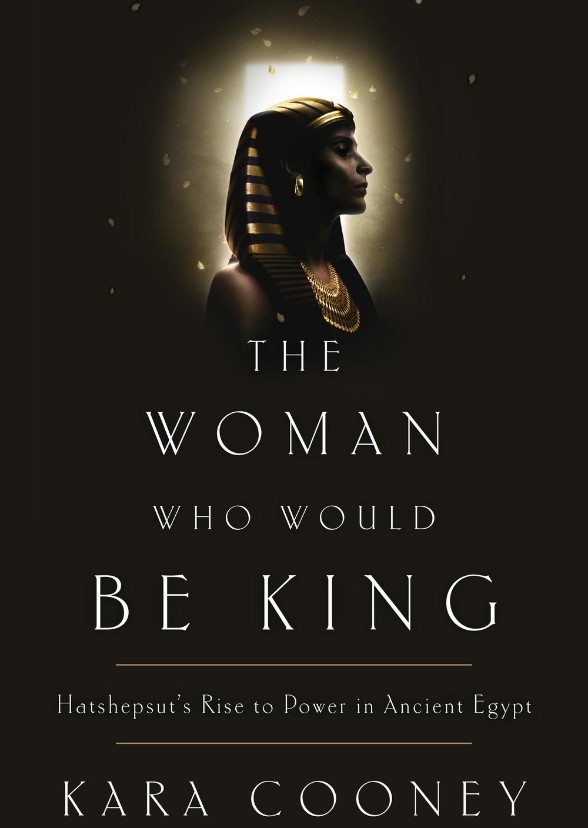
Hatshepsut—the daughter of a general who usurps Egypt’s throne—is expected to bear the sons who would legitimize the reign of her father’s family. Her failure to produce a male heir, however, paves the way for her improbable rule as a cross-dressing king. At just over twenty, Hatshepsut out-maneuvers the mother of Thutmose III, the infant king, for a seat on the throne, and ascends to the rank of Pharaoh. Shrewdly operating the levers of power to emerge as Egypt’s second female pharaoh, Hatshepsut becomes a master strategist, cloaking her political power plays in the veil of piety and sexual reinvention. She successfully negotiates a path from the royal nursery to the very pinnacle of authority, and her reign sees one of Ancient Egypt’s most prolific glorious periods.

