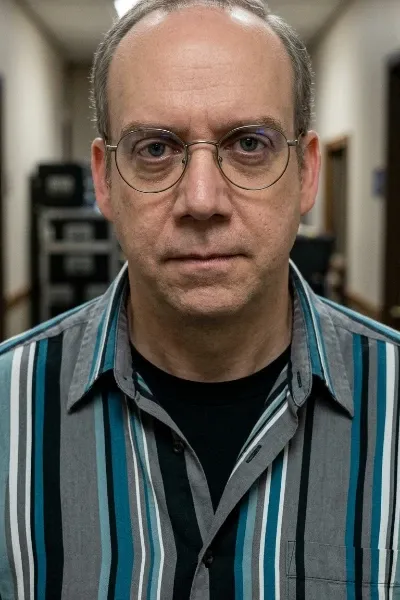
Age: 59
male
Paul Edward Valentine Giamatti (/ˌdʒiːəˈmɑːti/JEE-ə-MAH-tee; born June 6, 1967) is an American actor. His accolades include a Primetime Emmy Award, three Golden Globes, and nominations for two Academy Awards and a British Academy Film Award. After studying acting at the Yale School of Drama, he performed in numerous theatrical productions. Giamatti debuted on Broadway, portraying Ezra Chater in the Tom Stoppard play Arcadia (1995). Later that year, he played the Rev. Donald "Streaky" Bacon in the David Hare play Racing Demon (1995). He returned to theatre in the revivals of Anton Chekhov's Three Sisters (1997) and Eugene O'Neill's The Iceman Cometh (1999). Giamatti's breakout film role was in Private Parts (1997), followed by roles in My Best Friend's Wedding (1997), Saving Private Ryan (1998), and Man on the Moon (1999). He won acclaim for his leading roles in American Splendor (2003), Sideways (2004), Win Win (2011), and Private Life (2018). He has also acted in Planet of the Apes (2001), The Illusionist (2006), Fred Claus (2007), The Ides of March (2011), 12 Years a Slave (2013), Saving Mr. Banks (2013), Love & Mercy (2014), and Straight Outta Compton (2015). He has earned Academy Award nominations for Best Supporting Actor for portraying Joe Gould in Cinderella Man (2005) and Best Actor for playing a disgruntled teacher in The Holdovers (2023). On television, Giamatti played the role in the HBO miniseries John Adams (2008), earning him acclaim and several awards, including a Primetime Emmy and Golden Globe. He starred as U.S. Attorney Chuck Rhoades Jr. in the Showtime television series Billions (2016–2023). He earned Emmy nominations for his roles as Ben Bernanke in the HBO film Too Big to Fail (2011) and Harold Levinson in the ITV series Downton Abbey (2013). In the Netflix anthology series Black Mirror episode Eulogy (2025), he played a grieving lover. Description above from the Wikipedia article Paul Giamatti, licensed under CC-BY-SA, full list of contributors on Wikipedia.

The Woman in Me unfolds as an intimate, unfiltered portrait of a young girl from Louisiana who becomes one of the most recognizable figures in the world - and the cost of that transformation. The story traces her rise from ambitious child performer to global pop phenomenon, while quietly threading in a legacy of generational trauma that shadows her family history. At the height of her early fame, she is carefully packaged as America’s “innocent” sweetheart, even as her real life tells a far more complicated story. Behind the image are secrets, pressures, and a loss of control that begins early - intensified by a high-profile relationship that ends abruptly and painfully. The fallout reshapes her public identity, turning admiration into scrutiny almost overnight. As fame escalates, so does exhaustion. The narrative captures a young woman navigating heartbreak, betrayal, and impossible expectations while attempting to maintain her career. Moments that tabloids once sensationalized - impulsive decisions, brief relationships, and chaotic nights - are reframed here as symptoms of burnout, isolation, and a desperate search for autonomy. Motherhood brings both love and new challenges, including struggles with postpartum depression, all while the spotlight grows harsher. The story revisits infamous public incidents not as spectacle, but as breaking points - At its core, the adaptation centers on control: who has it, who takes it, and what it means to reclaim it. The conservatorship emerges as the defining conflict, transforming her life into something tightly managed and deeply restrictive. The final act shifts toward resilience and awakening, as she begins to find her voice again and fight for independence. Ultimately, this is not just a story about fame - it’s about identity, survival, and the long, difficult path toward freedom.cracks in a system that offered little protection and even less understanding.


