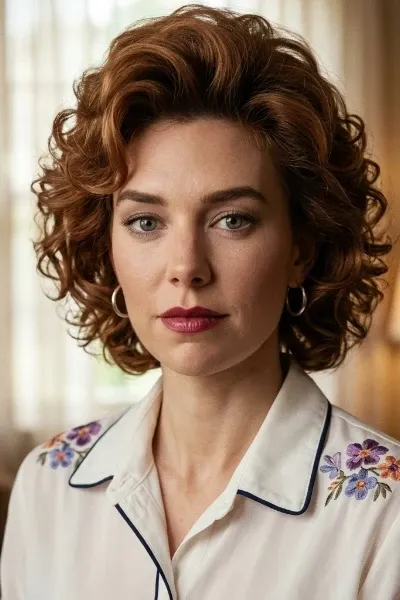
Age: 38
female
Vanessa Nuala Kirby is an English actress. She rose to international prominence with her portrayal of Princess Margaret in the Netflix drama series The Crown (2016–2017), for which she won the BAFTA for Best Supporting Actress. For her performance in the film Pieces of a Woman (2020), she won the Volpi Cup for Best Actress. She received a nomination for the Academy Award for Best Actress. Kirby made her professional acting debut on stage, with acclaimed performances in the plays All My Sons (2010), A Midsummer Night's Dream (2010), Women Beware Women (2011), Three Sisters (2012), and as Stella Kowalski in A Streetcar Named Desire (2014). She also appeared in the action films Mission: Impossible – Fallout (2018), Hobbs & Shaw (2019), and The Fantastic Four: First Steps (2025), and portrayed Empress Joséphine in the historical drama Napoleon (2023). Description above from the Wikipedia article Vanessa Kirby, licensed under CC-BY-SA, full list of contributors on Wikipedia.
Vanessa Kirby

Janet Lynn Harless
for Janet Lynn Harless in The Woman in Me
Suggested by nickienicks

The Woman in Me unfolds as an intimate, unfiltered portrait of a young girl from Louisiana who becomes one of the most recognizable figures in the world - and the cost of that transformation. The story traces her rise from ambitious child performer to global pop phenomenon, while quietly threading in a legacy of generational trauma that shadows her family history. At the height of her early fame, she is carefully packaged as America’s “innocent” sweetheart, even as her real life tells a far more complicated story. Behind the image are secrets, pressures, and a loss of control that begins early - intensified by a high-profile relationship that ends abruptly and painfully. The fallout reshapes her public identity, turning admiration into scrutiny almost overnight. As fame escalates, so does exhaustion. The narrative captures a young woman navigating heartbreak, betrayal, and impossible expectations while attempting to maintain her career. Moments that tabloids once sensationalized - impulsive decisions, brief relationships, and chaotic nights - are reframed here as symptoms of burnout, isolation, and a desperate search for autonomy. Motherhood brings both love and new challenges, including struggles with postpartum depression, all while the spotlight grows harsher. The story revisits infamous public incidents not as spectacle, but as breaking points - At its core, the adaptation centers on control: who has it, who takes it, and what it means to reclaim it. The conservatorship emerges as the defining conflict, transforming her life into something tightly managed and deeply restrictive. The final act shifts toward resilience and awakening, as she begins to find her voice again and fight for independence. Ultimately, this is not just a story about fame - it’s about identity, survival, and the long, difficult path toward freedom.cracks in a system that offered little protection and even less understanding.

