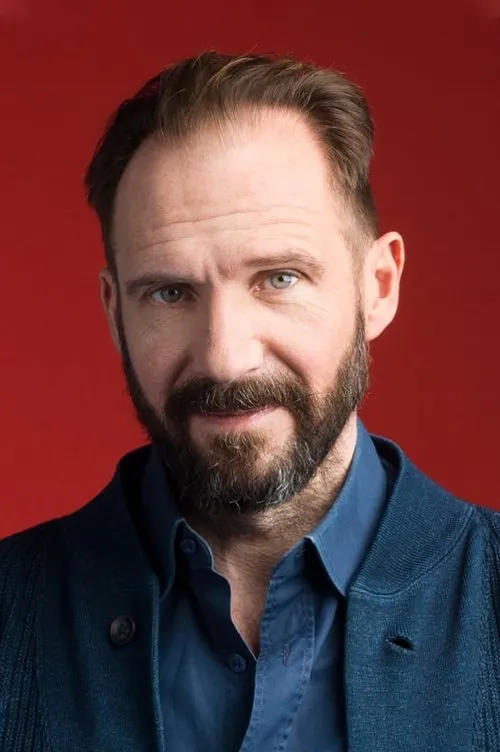
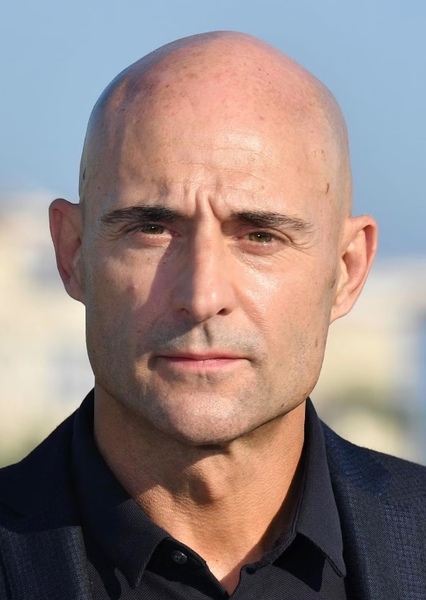
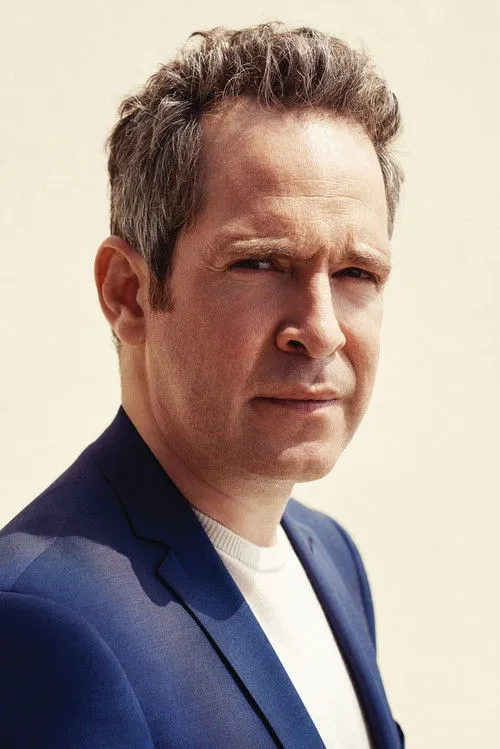
Age: 76
male
William Francis Nighy (born 12 December 1949) is an English actor. Known for his work on screen and stage, he has received numerous awards, including two BAFTA Awards, a Golden Globe Award and nominations for an Academy Award and a Tony Award. Nighy started his career with the Everyman Theatre, Liverpool and made his London debut with the Royal National Theatre starting with The Illuminatus! in 1977. There he gained acclaim for his roles in David Hare's Pravda in 1985, Harold Pinter's Betrayal in 1991, Tom Stoppard's Arcadia in 1993, and Anton Chekov's The Seagull in 1994. He received a Laurence Olivier Award for Best Actor nomination for his performance in Blue/Orange in 2001. He made his Broadway debut in Hare's The Vertical Hour in 2006, and returned in the 2015 revival of Hare's Skylight earning a Tony Award for Best Actor in a Play nomination. Early film roles include in the comedies Still Crazy (1998), and Blow Dry (1999) before his breakout role in Love Actually (2003) which earned him a BAFTA Award for Best Supporting Actor. He soon gained recognition portraying Davy Jones in the Pirates of the Caribbean film series (2006-2007), and Viktor in the Underworld film series (2003-2009). Other films include Shaun of the Dead (2004), The Hitchhiker's Guide to the Galaxy (2005), The Constant Gardener (2005), Notes on a Scandal (2006), Hot Fuzz (2007), Valkyrie (2008), Harry Potter and the Deathly Hallows – Part 1 (2010), The Best Exotic Marigold Hotel (2012), About Time (2013), Emma (2020), and Living (2022), the last of these earning him his first career Academy Award nomination. Nighy has gained acclaim for his roles in television earning a British Academy Television Award for Best Actor for his performance in BBC One series State of Play (2003), and a Golden Globe Award for Best Actor for the BBC film Gideon's Daughter (2007). He's also known for his roles in HBO's The Girl in the Café (2006) and PBS's Page Eight (2012).
Bill Nighy

Chief Weasel
for Chief Weasel in The Wind in the Willows
Suggested by prithvirajbasu

Meet little Mole, willful Ratty, Badger the perennial bachelor, and petulant Toad. Over one hundred years since their first appearance in 1908, they've become emblematic archetypes of eccentricity, folly, and friendship. And their misadventures-in gypsy caravans, stolen sports cars, and their Wild Wood-continue to capture readers' imaginations and warm their hearts long after they grow up. Begun as a series of letters from Kenneth Grahame to his son, The Wind in the Willows is a timeless tale of animal cunning and human camaraderie. This Penguin Classics edition features an appendix of the letters in which Grahame first related the exploits of Toad.