
Age: 69
male
Timothy Leonard Spall (born February 27, 1957) is an English actor and presenter. He became a household name in the UK after appearing as Barry Spencer Taylor in the 1983 ITV comedy-drama series Auf Wiedersehen, Pet. Spall performed in Secrets & Lies (1996), and was nominated for the BAFTA Award for Best Actor in a Leading Role. Subsequently, he starred in many films, including Hamlet (1996), Still Crazy (1998), Nicholas Nickleby (2002), The Last Samurai (2003), Enchanted (2007), Sweeney Todd: The Demon Barber of Fleet Street (2007), The Damned United (2009), The King's Speech (2010), Ginger and Rosa (2012), Denial (2016), and The Party (2017). He voiced Nick, a cynical, portly rat in Chicken Run (2000). He played Peter Pettigrew in five Harry Potter films, from Prisoner of Azkaban (2004) to Deathly Hallows – Part 1 (2010). Spall has collaborated with director Mike Leigh, making six films together: Home Sweet Home (1982), Life is Sweet (1990), Secrets & Lies (1996), Topsy-Turvy (1999), All or Nothing (2002), and Mr. Turner (2014). Spall won great acclaim for his performance in the last of these for his portrayal as J. M. W. Turner winning him the Best Actor Award at the 2014 Cannes Film Festival. He starred in the television documentary Timothy Spall: ...at Sea (2010–2012) and in 2019 he appeared as Lord Arthur Wallington in the 6-part BBC Cold War drama Summer of Rockets.
Timothy Spall

Chief Weasel
for Chief Weasel in The Wind in the Willows
Suggested by Jeshisthename
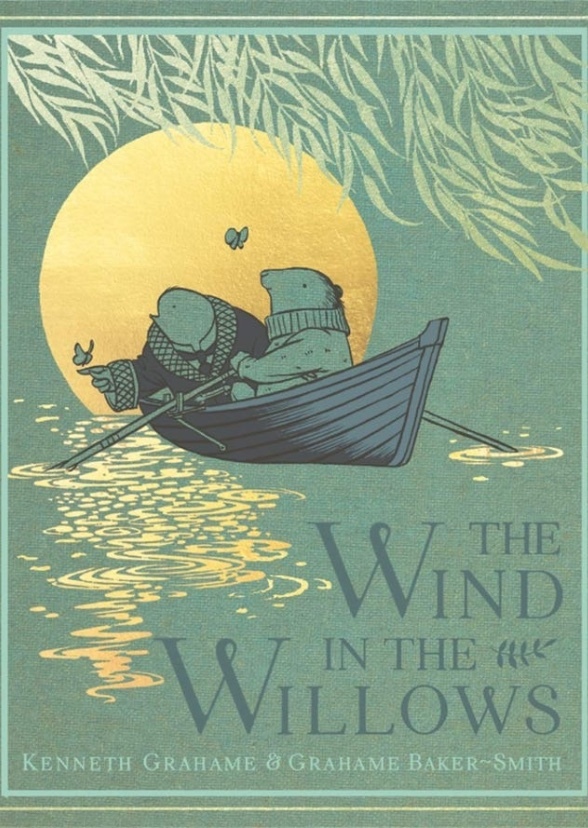
The Wind in the Willows is a classic children's novel by the British novelist Kenneth Grahame, first published in 1908. It details the story of Mole, Ratty, and Badger as they try to help Mr. Toad, after he becomes obsessed with motorcars and gets into trouble. It also details short stories about them that are disconnected from the main narrative. The novel was based on bedtime stories Grahame told his son Alastair. It has been adapted numerous times for both stage and screen. The Wind in the Willows received negative reviews upon its initial release, but it has since become a classic of British literature. It was listed at No. 16 in the BBC's survey The Big Read and has been adapted multiple times in different media.

