Age: 37
male
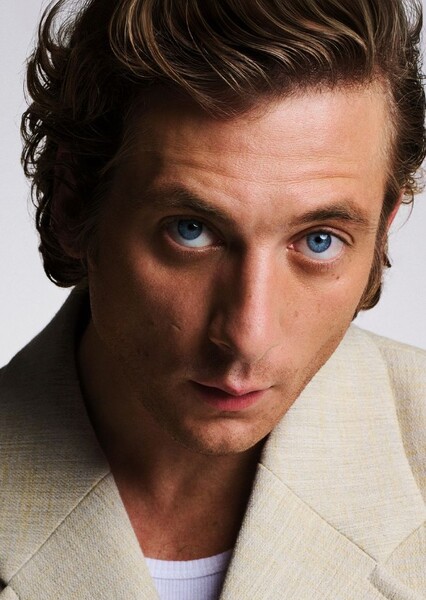
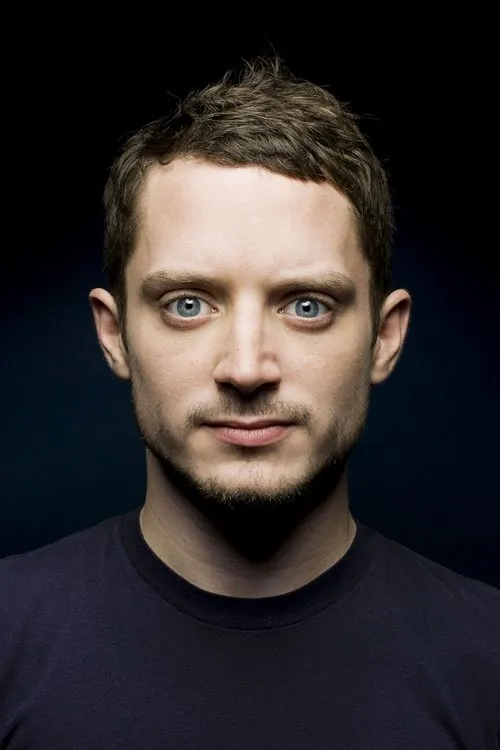
Daniel Jacob Radcliffe (born July 23, 1989) is an English actor. He rose to fame at age twelve, when he began portraying Harry Potter in the film series of the same name; and has held various other film and theatre roles. Over his career, Radcliffe has received various awards and nominations. Radcliffe made his acting debut at age 10 in the BBC One television film David Copperfield (1999), followed by his feature film debut in The Tailor of Panama (2001). The same year, he starred as Harry Potter in the film adaptation of the J.K. Rowling fantasy novel, Harry Potter and the Philosopher's Stone. Over the next decade, he played the eponymous role in seven sequels, culminating with Harry Potter and the Deathly Hallows – Part 2 (2011). During this period, he became one of the world's highest-paid actors and gained worldwide fame, popularity, and critical acclaim. Following the success of Harry Potter, Radcliffe starred in the romantic comedy What If? (2013), and played the lawyer Arthur Kipps in the horror film The Woman in Black (2012), poet Allen Ginsberg in the drama film Kill Your Darlings (2013), Igor in the science-fiction horror film Victor Frankenstein (2015), a sentient corpse in the comedy-drama film Swiss Army Man (2016), technological prodigy Walter Mabry in the heist thriller film Now You See Me 2 (2016), and FBI agent Nate Foster in the critically acclaimed thriller film Imperium (2016). Since 2019, he has starred in the TBS anthology series Miracle Workers. In 2022, he starred in the action comedy The Lost City and portrayed Weird Al Yankovic in Weird: The Al Yankovic Story. Radcliffe branched out to stage acting in 2007, starring in the West End and Broadway productions of Equus. From 2011 to 2012 he portrayed J. Pierrepont Finch in the Broadway revival of the musical How to Succeed in Business Without Really Trying. He continued in Martin McDonagh's dark comedy The Cripple of Inishmaan (2013-2014) in the West End and Broadway and a revival of Tom Stoppard's play Rosencrantz and Guildenstern Are Dead (2017) at The Old Vic. He also starred in the satirical plays Privacy (2016) and The Lifespan of a Fact (2018), respectively off and on Broadway. In 2022 starred in the New York Theatre Workshop revival of Stephen Sondheim's Merrily We Roll Along.
Daniel Radcliffe

Roger Daltrey
for Roger Daltrey in The Who Biopic
Suggested by alexstockwell

The Who are an English rock band that formed in 1964. Their classic line-up consisted of lead singer Roger Daltrey, guitarist and singer Pete Townshend, bass guitarist John Entwistle, and drummer Keith Moon. They are considered one of the most influential rock bands of the 20th century, selling over 100 million records worldwide and holding a reputation for their live shows and studio work. The Who developed from an earlier group, the Detours, and established themselves as part of the pop art and mod movements, featuring auto-destructive art by destroying guitars and drums on stage. Their first single as the Who, "I Can't Explain", reached the UK top ten, followed by a string of singles including "My Generation", "Substitute" and "Happy Jack". In 1967, they performed at the Monterey Pop Festival and released the US top ten single "I Can See for Miles", while touring extensively. The group's fourth album, 1969's rock opera Tommy, included the single "Pinball Wizard" and was a critical and commercial success. Live appearances at Woodstock and the Isle of Wight Festival, along with the live album Live at Leeds, cemented their reputation as a respected rock act. With their success came increased pressure on lead songwriter and visionary Townshend, and the follow-up to Tommy, Lifehouse, was abandoned. Songs from the project made up 1971's Who's Next, which included the hit "Won't Get Fooled Again". The group released the album Quadrophenia in 1973 as a celebration of their mod roots, and oversaw the film adaptation of Tommy in 1975. They continued to tour to large audiences before semi-retiring from live performances at the end of 1976. The release of Who Are You in 1978 was overshadowed by the death of Moon shortly after.