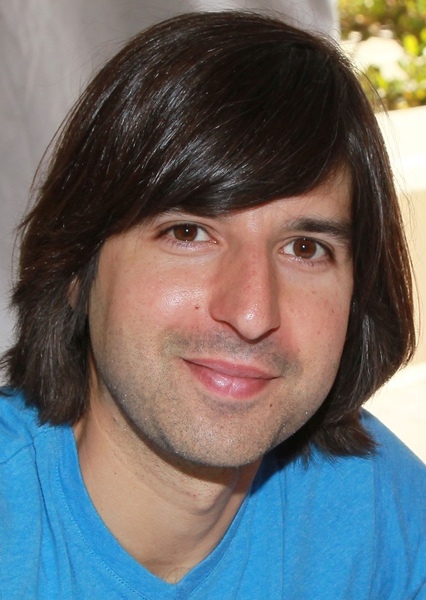
Age: 54
male
Sacha Noam Baron Cohen (/ˈsæʃə/ SA-shə; Hebrew: סָשָׁה נֹעַם בָּרוֹן כֹּהֵן; born 13 October 1971) is an English comedian, actor, and performance artist. He is best known for his creation and portrayal of the fictional satirical characters Ali G, Borat Sagdiyev, Brüno Gehard, and Admiral General Haffaz Aladeen. At the 2012 British Comedy Awards, Baron Cohen received the Outstanding Achievement Award and accepted the award in-character as Ali G. In 2013, he received the BAFTA Charlie Chaplin Britannia Award for Excellence in Comedy. In 2018, The Times named him among the 30 best living comedians. Beginning his career in television, Baron Cohen was named Best Newcomer at the 1999 British Comedy Awards for The 11 O'Clock Show. He created and starred as his character Ali G in Da Ali G Show (2000–2004), receiving two BAFTA Awards. His next television project, Who Is America? (2018) for Showtime, saw him nominated for a Golden Globe Award for Best Actor—Television Series Musical or Comedy. In 2019, he portrayed Eli Cohen in the limited series The Spy for OCS and Netflix, for which he received a nomination for the Golden Globe Award for Best Actor—Miniseries or Television Film. Baron Cohen has produced and/or performed in comedic films, such as Ali G Indahouse (2002), Borat (2006) and its sequel Borat Subsequent Moviefilm (2020), Talladega Nights: The Ballad of Ricky Bobby (2006), Brüno (2009), and The Dictator (2012). He has also appeared in dramatic films including Sweeney Todd: The Demon Barber of Fleet Street (2007), Hugo (2011), Les Misérables (2012), and The Trial of the Chicago 7 (2020). In 2016, he starred in Grimsby and co-starred in Alice Through the Looking Glass. His voice acting roles include King Julien XIII in the Madagascar film series (2005–2012) and Uncle Ugo in Luca (2021). Baron Cohen has two nominations for the Academy Award for Best Adapted Screenplay and six Golden Globe Award nominations, resulting in three wins: two for Best Actor—Motion Picture Musical or Comedy for his work in the feature film Borat and its sequel, and he also won the award for Best Motion Picture—Musical or Comedy as producer of Borat Subsequent Moviefilm. In 2021, he received Academy Award, Golden Globe Award, and Screen Actors Guild Award nominations for his performance as Abbot "Abbie" Hoffman in The Trial of the Chicago 7. He has been a member of the Academy of Motion Picture Arts and Sciences in the Actors Branch since 2008.

The Who are an English rock band that formed in 1964. Their classic line-up consisted of lead singer Roger Daltrey, guitarist and singer Pete Townshend, bass guitarist John Entwistle, and drummer Keith Moon. They are considered one of the most influential rock bands of the 20th century, selling over 100 million records worldwide and holding a reputation for their live shows and studio work. The Who developed from an earlier group, the Detours, and established themselves as part of the pop art and mod movements, featuring auto-destructive art by destroying guitars and drums on stage. Their first single as the Who, "I Can't Explain", reached the UK top ten, followed by a string of singles including "My Generation", "Substitute" and "Happy Jack". In 1967, they performed at the Monterey Pop Festival and released the US top ten single "I Can See for Miles", while touring extensively. The group's fourth album, 1969's rock opera Tommy, included the single "Pinball Wizard" and was a critical and commercial success. Live appearances at Woodstock and the Isle of Wight Festival, along with the live album Live at Leeds, cemented their reputation as a respected rock act. With their success came increased pressure on lead songwriter and visionary Townshend, and the follow-up to Tommy, Lifehouse, was abandoned. Songs from the project made up 1971's Who's Next, which included the hit "Won't Get Fooled Again". The group released the album Quadrophenia in 1973 as a celebration of their mod roots, and oversaw the film adaptation of Tommy in 1975. They continued to tour to large audiences before semi-retiring from live performances at the end of 1976. The release of Who Are You in 1978 was overshadowed by the death of Moon shortly after.